
Integrating Smart Tech into a Mid-Century Modern Home
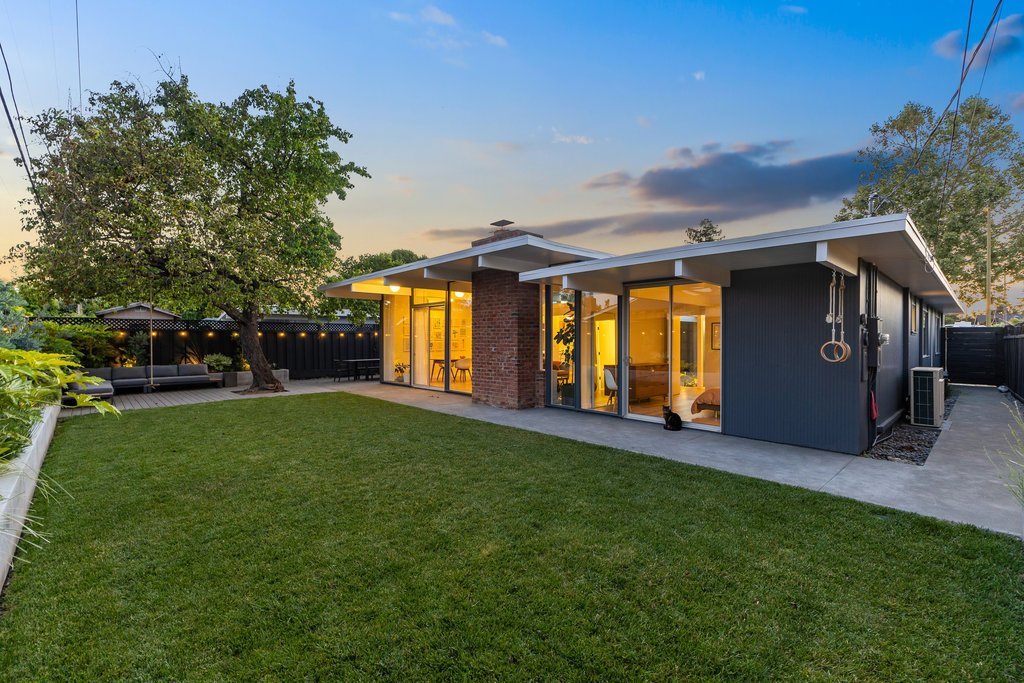
Mid-century modern homes are beloved for their clean lines, minimalist forms, and soulful use of materials like wood, glass, and stone. Integrating today’s smart home systems into such homes requires a delicate balance – the technology should enrich your lifestyle but remain virtually invisible to preserve the home’s iconic style ralstonarchitects.com. This guide will show you how to introduce modern conveniences – from hidden climate controls and speakers to micro-sized lights and sensors – without compromising the mid-century aesthetic. We’ll cover design principles, product recommendations, and installation strategies suited for design-conscious homeowners (even in luxury real estate), all while maintaining the era’s hallmark uncluttered look and material authenticity.
Design Principles for Seamless Integration
Before diving into specific devices, keep these core principles in mind to preserve the mid-century essence while adding smart tech:
Conceal and Disguise: Whenever possible, hide the technology or use ultra-minimalist designs. The goal is a home where devices “blend seamlessly into the background”, enhancing life “without disrupting the aesthetics”theaudiovideopros.com. This means using in-wall or in-ceiling installations, flush-mounted panels, and wireless solutions that “disappear until you need them.”latimes.com
Maintain Clean Lines: Mid-century modern design thrives on simplicity and open sightlines. Opt for smart fixtures that sit flush or recede into surfaces (walls, ceilings, cabinetry) for a “clean and sophisticated look”wall-smart.com. Modern flush-mount kits exist for tablets, touchscreens, keypads, and even speakers, allowing tech to be integrated without bulges or tangles.
Preserve Original Features: Avoid irreversible changes to period details like original wood paneling or trim. Whenever feasible, use wireless or battery-powered devices to minimize drilling or rewiring in finished wallshomestyler.com. For example, choose stick-on smart switches or sensors over cutting into pristine plaster. This preserves the home’s fabric and allows future tech upgrades with minimal damage.
Plan for Flexibility: Technology evolves quickly, so design with adaptability in mindmidmod-midwest.commidmod-midwest.com. If you’re renovating, consider installing hidden wiring chases (conduits within walls or behind built-ins) to run cables later without demolitionmidmod-midwest.com. Add extra outlets inside cabinets or closets where you might hide hubs or chargers, and ensure electrical upgrades (like neutral wires at switch boxes) are done during remodeling for compatibility with smart deviceshomestyler.com.
Select Harmonious Finishes: When tech must be visible, choose finishes and styles that complement mid-century decor. Many smart devices today are “crafted to fit both modern and traditional interiors,” so you don’t have to sacrifice lookskevinfrancisdesign.com. For instance, a smart thermostat with a simple circular design and neutral color can echo a classic dial, and some smart locks come in brass or bronze to match vintage door hardware. Aim for understated, era-appropriate colors (whites, blacks, metallics) or even custom skins/covers that blend with surrounding materials.
By following these principles, you set the stage for a smart home that “maintains clean lines and uncluttered aesthetics”ralstonarchitects.com – the tech quietly supports your lifestyle without stealing the spotlight from your mid-century modern design.
Hidden Climate Control (Thermostats & HVAC)
One of the easiest ways to modernize a home is with a smart thermostat, but you’ll want a unit that doesn’t look jarringly high-tech on a vintage wall. Fortunately, devices like the Nest Learning Thermostat or Ecobee SmartThermostat offer sleek, minimalist designs that “blend convenience and style”swiftco.com. The Nest’s iconic round shape and simple dial interface, for example, have a retro simplicity (in fact inspired by mid-century designer Henry Dreyfuss’s classic Honeywell round thermostat) while hiding very advanced functions. These thermostats can learn your schedule and optimize temperature settings for comfort and energy savingsswiftco.com – all without any clutter of extra sensors on the wall.
Integration tips: Mount the smart thermostat in an unobtrusive location (ideally where the old one was, often a central interior wall) and consider using a trim plate that matches your wall color or material. Some homeowners even use custom mid-century style backplates (e.g. wood or decorative plates) behind devices to help them harmonize with period décor. Once installed, you can rely on the thermostat’s app or voice control, reducing the need to physically touch the device – meaning it remains part of the backdrop. Modern smart thermostats also support remote temperature sensors (usually wireless, battery-powered sensors you can place in other rooms). These can be tucked away on a bookshelf or nightstand, monitoring climate invisibly so that the thermostat can adjust heating/cooling based on an average or remote reading. This avoids having multiple thermostats on the wall while still keeping the whole house comfortable.
Beyond thermostats, consider discreet HVAC upgrades that improve comfort without aesthetic impact. For example, if you’re updating an HVAC system, opt for flush or linear diffusers instead of old-fashioned vent grilles – slim slots near the ceiling can distribute air without drawing attention (they can be painted to match ceilings or trim). Likewise, a modern HVAC might allow you to eliminate bulky radiators or window AC units in favor of hidden ductwork or mini-split systems; if mini-splits are needed, choose low-profile cassettes or hide the wall unit within a recessed niche or cabinetry. The key is to keep climate control backgrounded.
Discreet Security Systems
Home security can be significantly enhanced with smart tech, without turning your stylish home into a surveillance control room. Smart locks are a great starting point. Look for models that install invisibly or maintain a traditional appearance. The Level Lock, for instance, fits entirely inside the door borehole, hiding all electronic components inside the door so your exterior door hardware looks unchanged. Other smart deadbolts from brands like Yale or Schlage come in mid-century compatible finishes (satin nickel, brass, matte black) and simple silhouettes; you can often keep an exterior thumb-turn and keyhole for an authentic look, with the smarts (keypad or sensors) facing the interior side or hidden. These locks offer keyless entry via codes or smartphone, and some even have “facial recognition” or fingerprint readers now that integrate subtly into the door mechanismkevinfrancisdesign.comkevinfrancisdesign.com. The benefit is modern convenience and security (no fumbling with keys, remote monitoring of lock status) “without being obtrusive” to your entry’s appearancekevinfrancisdesign.com.
For surveillance, smart cameras can be necessary for security but are often eyesores. To keep things stylish, consider camouflaged or hidden cameras. One clever approach used by designers is to “conceal cameras within smoke detectors” or other commonplace fixtureshomestyler.com. There are camera models designed as smoke alarm look-alikes or you can actually install a camera behind the grille of a non-functional smoke detector shell. Similarly, some doorbell cameras are very compact or can be recessed into the door frame; a video doorbell like Google’s Nest Doorbell or Ring Pro can be painted to match your exterior or selected in a neutral color to blend with trim. If you have deep eaves or beams, you can hide outdoor cameras up in those, running power through the attic or using battery models, so they keep a low profile. Window sensors for alarms can be recessed into frames (many security systems offer recessed contacts that are invisible when the door/window is closed), unlike old surface-mounted magnets.
Inside the home, motion detectors and alarm keypads should also be placed strategically. Opt for small, wireless motion sensors that you can tuck into a corner, high on a bookshelf, or above a cabinet. Because they’re wireless, you won’t have to wire along your walls. Many of these are tiny (some not much larger than a coin) and often white to blend with walls or ceilings. You can even repaint sensor casings to match your wall color (just be sure not to paint over any lenses). Disarming pads or sirens can be hidden in a closet or combined with another device (for instance, some systems let you arm/disarm via your smartphone or a voice command, eliminating the need for a traditional keypad on the wall). The philosophy is to achieve modern safety “while avoiding visual clutter.”homestyler.com
Installation tip: If you’re doing a large renovation, plan the routing of any necessary security wiring early to avoid retrofitting woeshomestyler.com. Even wireless systems typically need a hub or a siren plugged in – designate a concealed spot (a cabinet in the entryway, or a closet) for this equipment. It’s worth consulting a professional for placement ideas that maximize coverage with minimal appearance. When done right, you’ll have a fully secure home that doesn’t advertise its gadgets.
Invisible Sound: Architectural Speakers
Mid-century modern enthusiasts often love music (think of the original built-in Hi-Fi consoles of the 1950s). Today you can enjoy high-fidelity audio throughout your home without any visible speakers, preserving that uncluttered vibe. The key is to use architectural speakers – models that install in walls or ceilings – or even completely invisible speakers that mount behind drywall. In a luxury install, it’s common to use “built-in speakers that blend into the ceiling or walls” to provide rich, room-filling sound “without compromising the visual integrity of the room.”swiftco.com
For the ultimate discreet solution, consider invisible speakers. Brands like Sonance (Invisible Series), Stealth Acoustics, and Amina Sound produce speakers that mount flush in the wall or ceiling and then are plastered or painted over. They literally vanish into the surface. Despite their stealth, they can deliver impressively full-range audio. Amina describes their hidden speakers as “creating an audio oasis without compromising your aesthetic vision”aminasound.com – in one case, a design team integrated invisible speakers along with hidden subwoofers to achieve a high-performance system with zero impact on décoraminasound.com. These are ideal for living areas or even bedrooms where you don’t want to see any tech. Installation of invisible speakers does require opening up the wall/ceiling, so it’s best done during a remodel or planned by an AV professional; also note that for best sound, they often work with back-boxes or enclosures in the wall, and the wall surface can affect audio quality, so professional tuning might be needed.
If fully invisible speakers are beyond your budget or project scope, there are plenty of low-profile “architectural” speakers. Look for in-ceiling or in-wall speakers with thin bezel grilles that can be painted to match your surfaces. Round ceiling speakers (e.g. Sonos Architectural by Sonance, KEF and Bowers & Wilkins also have in-wall models) can sit almost flush. You can even align them with ceiling lighting layout for symmetry so they “disappear” into the design rhythm of the room. For walls, rectangular in-wall speakers can be placed where a piece of art might go – some people cover them with acoustically transparent fabric panels or custom artwork screens.
Another trick for retrofits: “hide compact speakers behind original grilles” or architectural featureshomestyler.com. If your mid-century home had an old intercom speaker or a decorative wood slat panel, those can be repurposed as covers for new speakers. The sound will pass through if the material is permeable enough (or you can replace the solid backing with speaker cloth while keeping the original frame). In one project, for example, the owner placed a center-channel speaker inside a vintage credenza, with the sound coming out through what looked like a normal cabinet front – but they had swapped the panel for a speaker cloth material.
Subwoofers for bass can also be hidden: in-wall subwoofer kits exist, or you can hide a small sub behind a couch or built into a cabinet. Paint it the wall color or use a period-appropriate grille cloth to mask it. The result of all these approaches is that “the sound seems to come from nowhere,” creating an immersive experience without any visual distractiontheaudiovideopros.com.
Lastly, integrate your audio with the rest of your smart home for easy control. You can use an app or voice assistant to play music in different zones, avoiding the need for visible knobs or receivers. Many smart speakers (like Sonos amps or similar) can be totally out of sight in a closet powering those in-wall speakers. The combination of hidden hardware and wireless control means your mid-century living room can stay focused on the fireplace or view, not a stack of electronics.
Lighting: Micro-Aperture & Ambient Solutions
Lighting is crucial in mid-century design – it highlights architectural lines and sets the mood. To keep that mood authentic while adding modern capabilities, focus on two strategies: retain the iconic fixtures where possible (upgrading them to smart functionality), and add new concealed light sources (like tiny recessed lights or LED strips) for flexible ambient lighting that doesn’t visually intrude.
1. Smart Lighting Retrofits for Vintage Fixtures: Rather than replacing a funky 1960s pendant or sputnik chandelier, make it smart by using tunable LED bulbs and smart dimmers. As one designer notes, it’s often better to put the intelligence at the switch rather than messing with a delicate vintage shade or wiringhomestyler.com. For example, install a smart dimmer or smart switch (many now come in slender, unobtrusive designs) controlling the fixture – this allows app and voice control, scheduling, and scenes, all while the original fixture remains the star in the room. If the existing wiring doesn’t have a neutral (common in mid-century houses), choose no-neutral smart switches or use smart bulbs that can be controlled wirelessly, to avoid rewiring wallshomestyler.com. When using smart bulbs in vintage lamps or sconces, get warm-dimming or color-tunable LEDs that can mimic the warm glow of old incandescent bulbsmidmod-midwest.com. That way your evening cocktail hour can still bask in a cozy amber light, preserving the retro vibe, while enjoying modern energy efficiency and control. Always check that the bulbs don’t overheat enclosed vintage fixtures and consult an electrician if the fixture’s old wiring needs an update for safetyhomestyler.com.
2. Recessed “Micro-Aperture” Lighting: To add illumination discreetly, take advantage of today’s miniature LED recessed lights. These can be extremely small (2-inch, 1-inch, even 0.5-inch apertures are available) and are designed for a “quiet ceiling” look where the light source is barely noticeablewaclighting.com. A contemporary trend in high-end homes is using “downlights that are almost impossibly small and discreet”, yet provide ample lightwaclighting.com. For a mid-century home with low or wood-paneled ceilings, small recessed fixtures can be a game-changer – they offer needed light for tasks or art highlighting, but “appear to recede into the ceiling rather than shouting out their presence”waclighting.com. When off, these tiny trimless pinholes hardly draw the eye, thus maintaining the clean plane of the ceiling. Consider using them to gently wash walls or illuminate key areas (e.g. above a stone feature wall or onto the entryway). Pro tip: arrange them in a logical grid or aligned with architectural elements (beams or furniture lines) so they feel intentional and unobtrusive. Brands like WAC, USAI, and DMF make small-aperture LED downlights suitable for luxury residential projects. These often come with warm-dim technology (the light warms in color as it dims) to retain that mid-century evening ambiance.
3. Ambient and Accent Lighting: Mid-century modern design often uses indirect lighting to create atmosphere (think of cove lighting or backlighting panels). You can replicate and enhance this with modern LED strips and micro fixtures. For example, install LED tape lights on top of exposed ceiling beams or atop kitchen cabinets to uplight the ceiling with a soft glow (totally hidden from direct view). Or use floor-level LED strips under a floating cabinet or inside a bookshelf to give a subtle floating effect – the light source itself is concealed, you just see the wash of light on surfaces. Wall-wash lights can be hidden in valances or behind planters to highlight textures like brick or stone walls at night, accentuating the material authenticity. Because LEDs run cool and are tiny, you can tuck them into very tight spaces that older lights wouldn’t fit. Smart strip lights (e.g. Philips Hue Lightstrip or LIFX) allow you to change colors and dimming easily; keep them to warmer white tones or soft colors to complement mid-century palettes unless you intentionally want a pop of neon for a retro-futuristic touch.
With smart lighting systems, you also unlock scenes: program “Evening Relaxation” to automatically dim all lights to 30% and turn on that hidden cove light, or “Entertain” to brighten the dining area but bathe the living room in a soft glow. A lighting control hub (or even just using a platform like Apple HomeKit or Google Home) lets you coordinate multiple lights at once, so you avoid having banks of switches on the wall. In fact, “smart lighting control offers a solution to having too many light switches littering the walls”kevinfrancisdesign.com – you can replace a row of 3-4 toggles with one sleek keypad or touchscreen, or use voice control, keeping wall clutter down. Start with establishing a few key lighting scenes and tie them to a smart hub; this often gives “immediate comfort and flexibility” in a way that’s very noticeablehomestyler.com, yet all the technology behind it stays mostly out of sight. Mid-century homes were about lifestyle, and dynamic, unobtrusive lighting greatly enhances that.
Concealed Sensors and Automation
The real magic of a smart home is in the automation – the home anticipating your needs. This is achieved by a network of sensors (motion detectors, temperature sensors, light sensors, etc.) that feed information to your smart hub. The good news is these sensors have become smaller and easier to hide than ever. Designers of luxury homes note that “electronics do not take up a lot of space, [and] they don’t have to dominate attention”, especially now that “minimalistic technologies are hard to notice”kevinfrancisdesign.com.
Motion Sensors: Instead of conspicuous motion detectors, opt for models that are wireless and compact. Many are battery-powered and can be stuck up high on a wall or ceiling. Some high-end options are flush-mount PIR sensors that sit almost level with the drywall (these require an install cut-out but result in a nearly invisible eye in the ceiling). You can also integrate motion sensors into light switch plates (some smart switches have built-in motion detection) to reduce separate devices. Use these to automate lights (e.g. hall lights come on at low level when you walk at night) or trigger alarms – all without you seeing anything except the light that responds.
Temperature/Humidity Sensors: If certain rooms need monitoring (wine cellar, nursery, etc.), choose small sensors (some are 2-inch discs or smaller) that you can place inconspicuously. Hide one on top of a shelf or behind a vent grille. They’ll quietly report data to your HVAC or smart fan to maintain comfort. Many thermostats come with remote sensors – utilize those in important areas so the thermostat knows the conditions without installing a visible second thermostat.
Door/Window Sensors: As mentioned under security, recessed contact sensors are ideal. If those aren’t an option, the surface-mount ones today are much sleeker than older magnetic contacts – often just a thin white strip. Mount them on the hinge side of doors or upper frame of windows where they are least visible (and paint if needed). These let your system know if a door is open (to adjust thermostats or send alerts) seamlessly.
Light Sensors: Some systems include ambient light sensors to adjust shades or lighting. These can often be placed on a window sill or integrated in a multi-sensor. Because mid-century homes emphasize indoor-outdoor connection and lots of natural light, automating blinds or lights based on sunlight is useful. Concealed motorized shades are a fantastic addition: you can recess roller shades into the ceiling or valance, so when open, the shades disappear and preserve the view and architectural lines. When the sun is harsh, a temperature or light sensor can trigger the shades to lower, protecting furnishings and comfort, all while the mechanism remains hidden from view.
Overall, focus on “invisible technology — sensors, hubs, and wiring” that deliver modern convenience quietly in the backgroundhomestyler.com. A mid-century home augmented with these unseen helpers will feel intuitively comfortable: lights that adjust, climate that responds, security that watches, all without manual intervention or gadget clutter. It’s the embodiment of the “house of the future” dream from mid-century ads, realized with today’s tech but executed in an aesthetically sensitive way.
Installation tip: When adding sensors, use adhesive or magnetic mounts where possible instead of screws, so if you need to remove or reposition them, you haven’t damaged surfaces. During any renovation, plan conduit paths for future sensor wiring in case you want hardwired units (for example, some luxury systems might wire motion sensors to a central panel for reliability – those wires can be hidden in walls if planned). Always test wireless range; sometimes plaster, brick, or stone walls in mid-century homes can impede signals, so you may need a couple of hubs or repeaters placed discreetly (in cabinets or behind furniture) to ensure all those invisible sensors stay connected.
Minimalist Controls and Hubs
To orchestrate all your hidden devices, you’ll need some form of central control – but this doesn’t have to mean an ugly router and blinking box on your shelf. The hub (brains of the system) can be completely hidden in a closet, basement, or utility room. Many luxury homes have an “A/V rack” in a closet for all network and audio gear – consider the same, dedicating a spot where the Wi-Fi router, smart hub (whether it’s a SmartThings, Hubitat, Homey Pro, or Control4 processor), and other controllers live out of sight. Ensure this area is ventilated and accessible, but it can be behind a panel or inside a cabinet. Mark the cabinet with a sleek label if needed rather than an exposed plastic box on the wall.
For everyday control interfaces, you have a few design-conscious options:
Voice Control: Using voice assistants allows you to eliminate many physical control points. A mid-century home can benefit from a couple of well-placed smart speakers (Amazon Echo, Google Nest Mini, Apple HomePod Mini, etc.) to listen for commands – but hide them in plain sight. The smaller ones can sit on a shelf among decor pieces, or even be recessed into the ceiling with special mounts. You could also use a more decor-friendly voice assistant like Josh.ai, which offers tiny microphones/keypads that flush-mount into the wall (looking like a simple round thermostat or light switch). Voice control means you can adjust lighting, music, temperature with no touchscreens or remotes at all, keeping the environment visually clean. Just be mindful of privacy and choose systems you’re comfortable with (some prefer Apple’s Siri or local systems for less data collectionmidmod-midwest.com).
Wall-Mounted Control Panels: If you like the idea of a central controller on the wall (for example, near the entry or in the kitchen), use flush-mounted touch panels or sleek keypads. Companies provide “flush mounts that seamlessly integrate technology into the wall”, preserving aestheticswall-smart.com. For instance, a Crestron or Control4 touch screen can be set into the wall so that it lies flat and the bezel matches your wall color. There are also aftermarket mounting solutions (like Wall-Smart frames) for iPads or other tablets that make them look built-in. The result looks like a subtle black or white panel with a minimalist frame, providing instant access to control the whole home. Modern panels are quite attractive – “sleek touchscreens with motion sensors” can even wake up as you approach, then hide content when not in use for a “discreet” appearancebrilliant.tech. If a full touchscreen is too conspicuous, consider multi-button smart keypads (like those from Lutron, Savant, or Basalte) that can be custom-engraved and come in high-end finishes (brushed brass, matte white, etc.). These keypads can control scenes (each button triggers a preset for lights, music, shades) and they take up only a single-gang space on the wall, looking similar to a light switch – very in line with mid-century simplicity.
Mobile and Wearable Control: Of course, you can always control everything from your smartphone, tablet, or even a smartwatch. This is inherently discreet – nothing new needs to be visible in the house at all. It’s worth setting up your system with this in mind: ensure that your chosen smart devices all integrate into one app or ecosystem, so you’re not juggling many apps. For example, using a platform like Apple HomeKit or Google Home can aggregate devices for unified control on your phone. You might create a home dashboard on an old tablet that lives on the coffee table (in a nice folio case that complements decor) rather than mounting anything to walls. Many homeowners find that after initial novelty, they mostly use voice or automations and rarely touch a dedicated controller – which further proves how “the smartest homes work so well you barely notice them”latimes.com. The technology serves your lifestyle quietly, which is exactly the goal in a mid-century modern integration.
Tip: Whichever control method(s) you use, program the system for simplicity. A luxury smart home isn’t about having dozens of apps and gadgets to fiddle with; it’s about the home “quietly handling life’s logistics” so you have more time to appreciate your spacelatimes.comlatimes.com. In practical terms, that means setting up routines or schedules (e.g. shades lower at sunset, doors lock at 10 PM, lights gently brighten in the morning) so the home runs itself in the background. Then the visible interfaces become almost an afterthought – an emergency backup or for occasional tweaks – leaving your mid-century modern environment looking as calm and uncluttered as ever.
Maintaining Mid-Century Aesthetics
Finally, let’s zoom out and ensure that in all these upgrades, we remain true to the mid-century modern aesthetic that makes your home special. Here are some design-conscious strategies to uphold authenticity even as you modernize:
Keep Materials Authentic: If you’re adding any visible components (say a wall panel or a speaker grille), use materials and finishes that echo mid-century design. For example, if you cut into a wood paneled wall for a device, refinish the mounting plate in the same wood veneer so it blends in. Or if your home features a lot of brushed aluminum accents, perhaps choose devices in a similar metal finish. Some high-end smart switches and thermostats come with interchangeable covers (glass, metal, wood grain) to match decor – leverage those options. Avoid cheap-looking plastic gadgets; invest in quality devices with solid, minimalist design so they feel like part of the architecture, not a tacked-on toy.
Color Coordination: Mid-century palettes are generally neutral base (white, cream, natural wood) with pops of color in decor. Your tech should not introduce random new colors. Fortunately, many devices are white or black by default – white can fade into light walls, black can disappear on dark surfaces or glass. If a device doesn’t match, see if you can get a custom color cover (some thermostat manufacturers offer stainless steel, brass, or black options, for instance). Even something as simple as spray painting a sensor’s plastic shell the same color as your wall can work (just be careful to mask any sensors or vents on it). The idea is to harmonize the gadget with the background so the eye passes over it.
Minimalism in Display: Mid-century modernism favored uncluttered surfaces. To that end, try not to have screens, cables, or charging docks visible on countertops and tables. Dedicate a closed drawer or a built-in niche for charging your phones and tablets (perhaps in a kitchen remodel, include an outlet inside a drawer). Use wireless charging pads that are integrated into furniture (there are end tables and lamps now that include hidden charging pads under the surface). By keeping personal devices tucked away, you avoid the “tech clutter” that can break the vintage mood.
Retro Inspiration in Tech: Interestingly, some modern tech is embracing retro aesthetics – you can find smart devices with mid-century flair if you look. For example, there are smart speakers disguised as vintage radios, or at least with fabric and wood enclosures that look like mid-century furniture. Companies like Tivoli, Marshall, or Bang & Olufsen offer speakers that deliberately serve as artistic decor pieces as well. While not invisible, these can be placed as accent pieces that enhance the style (think of B&O’s Beosound Balance or Level with natural wood finishes, or even the Amazon Echo in a walnut case). If you prefer showing some tech, choose these design-forward gadgets that complement the room.
Integrate with Architecture: Whenever possible, recess or build-in the tech to look like it belongs. For instance, run LED strip lighting in the gap of a floating ceiling panel, or recess a motorized projector screen into the ceiling (so it’s unseen when retracted)theaudiovideopros.com. Store AV components in wall cut-outs or cabinetry so floors are clear. If you’re very detail-oriented, align devices with architectural lines – e.g., center a wall thermostat on a wood panel or between two windows, so it feels symmetrically placed like a planned fixture. Mid-century design was very attuned to proportion and alignment, so apply that to any new tech element as well.
Work with Professionals if Needed: For high-end projects, don’t hesitate to involve architects or interior designers who specialize in retrofits. They can craft solutions like custom panels or enclosures that hide equipment. An experienced integrator can also ensure that “innovative design and installation techniques” are used to hide tech “behind walls, under floors, or within furniture”theaudiovideopros.com without damaging the structure. The result should look as if the original architects predicted today’s tech and built the house ready for it!
By mindfully blending the old and new, you’ll achieve a harmonious result: a home that is still authentically mid-century in character, yet provides 21st-century comforts. In fact, a thoughtfully upgraded mid-century home can feel like the “home of the future” those 1950s visionaries dreamed of – only now it’s real, and it doesn’t have to look like a spaceship to do it.
Below is a summary table of recommended smart devices and how each can be integrated while preserving design integrity:
Recommended Devices and Integration Strategies
Smart Device / TechDesign-Conscious Integration ApproachSmart Thermostat (e.g. Nest, Ecobee)Sleek, minimalist unit (Nest’s round dial or Ecobee’s slim touch display) replaces old thermostat. Mount on an interior wall at eye level; use a trim plate or wall color that blends in. Offers modern climate control with a retro-friendly lookswiftco.com. Remote sensors can be hidden in rooms for balanced temperature without additional wall units.Smart Lock (e.g. Level Lock, Yale Assure)Invisible or low-profile lock installs with no external change (Level hides inside door). Maintains original door hardware appearance while providing keyless entry and remote locking. Choose finishes like brass, chrome, or black to match mid-century door styleskevinfrancisdesign.com.Video Doorbell (e.g. Nest Doorbell, Ring Pro)Slim form factor doorbell with built-in camera. Install on door frame or entry wall and paint or choose color to match surrounding trim. Can also be mounted slightly hidden (e.g. under an eave) with angle mount. Provides security footage discreetly, with a look similar to a standard doorbell (especially if using a flush mount kit).Surveillance Camera (Wireless indoor/outdoor)Use camouflage techniques: hide indoors cameras in faux smoke detectors or on high shelves among décorhomestyler.com. Outdoors, choose small dome or bullet cameras and place under roof eaves, or use door peephole cameras. Many outdoor cams come in dark or silver to blend with trim. Integrate wiring through walls for a clean install.Invisible Speakers (e.g. Sonance Invisible Series, Amina)Installed behind drywall or plaster, completely out of sight. Ideal for main living areas – “seamlessly integrate… without compromising your aesthetic”aminasound.com. Ensure proper installation and finishing so wall/ceiling surface is smooth. Provides full-range sound with zero visible footprint.In-Ceiling Speakers (Architectural speakers)Flush-mounted ceiling speakers with paintable grilles. Use round 6" or smaller to mimic light fixtures, or align with lighting layout. Paint grilles to match ceiling color so they virtually disappear. Delivers high-quality audio with only a thin outline visibleswiftco.com.Subtle Soundbar/AV (e.g. art-frame TV speakers)If a TV is present, consider a Samsung Frame TV (appears as art when off) and pair with a low-profile soundbar that mounts under it flush to the wall. Alternately, hide speakers in a credenza with fabric panels (acoustically transparent cloth) so equipment is concealed. These solutions keep the entertainment tech unobtrusivelatimes.com.Micro-Aperture Downlights (1–2" LED recessed lights)Tiny recessed LED lights that create a “quiet ceiling”waclighting.com. Space them out to provide even lighting without large fixtures. Use trimless or flangeless versions for ultra-clean installation. They provide ambient and task lighting while being barely noticeable on the ceiling. Choose warm LED color (2700K–3000K) to mimic mid-century glow.LED Cove/Strip Lighting (e.g. Philips Hue Lightstrip)Conceal LED strips in coves, behind floating shelves, or under cabinets. The light source is hidden, only the gentle illumination is seen. This highlights architectural features (like stone walls or paneled ceilings) without visible bulbs. Use smart strips to adjust brightness and warmth for different moodshomestyler.com.Smart Dimmers & Switches (e.g. Lutron Caséta, Legrand Adorne)Modern low-profile light switches replace traditional toggles, enabling app/voice control of original light fixtures. Many come in mid-century appropriate styles (simple paddles or buttons) and colors to match your wall. Some have a slight glow LED for visibility that is subtle. They preserve the look of a switch bank but reduce wall clutter by controlling multiple scenes from one panelkevinfrancisdesign.com. If neutral wiring is an issue, use wireless switches that can be stuck on walls (and look like normal switches) to avoid rewiringhomestyler.com.Motion & Environmental Sensors (e.g. Aqara Motion, Fibaro Multi-Sensor)Palm-sized (or smaller) sensors placed strategically: corners of rooms, on ceilings, or hidden on shelves. Wireless and battery-powered, so no cords. Often white or gray to blend with surfaces. These quietly feed data to your hub (motion, light, temperature) for automation. Nearly invisible installation – e.g., a 2" dome in a ceiling corner can cover an entire room for motion-triggered lighting without being noticed.Smart Hub / Controller (e.g. Hubitat, SmartThings, Home Assistant)Central controller hub hidden in a cabinet or closet (can even be in the garage or utility room). Requires power and network – use existing cable runs or set on a shelf out of sight. No visual impact in living spaces. Ensures all devices communicate and allows unified control. For professional systems (Crestron/Savant), rack-mount the processor with other gear away from common areas.Wall Control Panel (Touchscreen or Keypad)If desired, install a flush-mounted touch panel (iPad in Wall-Smart dock, Control4 panel, etc.) at a convenient location (entry or hallway). It should sit level with the wall for a built-in looktheaudiovideopros.com. Choose a neutral frame that matches switch plates. This provides instant control of lights, climate, security, but when idle can display art or a blank screen to avoid drawing attention. For a lower-tech look, use a multigang keypad with custom engraved buttons (blends in like a light switch plate).Voice Assistant Devices (e.g. Echo Dot, Apple HomePod Mini)Small voice-activated speakers allow hands-free control. Hide them in plain sight: an Echo Dot can sit inside a decorative bowl or tucked between books, as long as the microphone isn’t blocked. Alternatively, ceiling-mounted mic modules (like Josh.ai) provide voice control with no visible device except a tiny grille. This lets you query and command your home in true futuristic fashion while your surfaces remain gadget-free.Motorized Shades/Blinds (e.g. Lutron Serena, Somfy Systems)Conceal automated window shades in a valance or ceiling pocket. When open, they are completely hidden, preserving the expansive glass look mid-century homes love. Choose fabrics that match your interior style (or even mid-century inspired patterns) so when lowered they complement the design. Integrate with sun sensors or schedules so they move automatically for comfort and privacy.
Each of these recommendations marries form and function – you get the convenience of smart living with solutions that “integrate perfectly into your living space”theaudiovideopros.com. By carefully selecting devices and installation methods that respect the minimalist and organic design ethos of mid-century modern, you’ll end up with a home that feels both timeless and cutting-edge.
In summary: Embrace smart home upgrades that serve you while staying invisible in your decor. With hidden speakers serenading you from the rafters, tiny lights setting the mood, and sensors ensuring everything is comfortable and secure, you can live in the future without leaving the past behind. Your mid-century home will continue to radiate its classic charm – now with a smart, subtle brain powering it behind the scenes. Enjoy the best of both worlds: the look of yesterday and the technology of today, working in harmony.
Modernizing an Eichler or any mid-century home requires more than simply installing devices—it takes an understanding of how technology and architecture can coexist. That’s why so many Silicon Valley homeowners turn to Eric and Janelle Boyenga of the Boyenga Team at Compass, widely recognized as the region’s top Eichler Real Estate Experts.
Eric and Janelle help clients evaluate which smart upgrades enhance value, which preserve architectural integrity, and how to showcase these features when buying or selling. Their design fluency, deep market knowledge, and tech-forward Compass marketing strategies ensure every modern enhancement—from hidden audio to automated lighting—supports both lifestyle and resale appeal. Whether consulting on renovations, positioning a property for market, or guiding buyers through architectural nuances, the Boyenga Team consistently delivers results rooted in expertise, authenticity, and next-level client representation.
Sources:
Della Hansmann – MidMod Midwest: Blending mid-century homes with selected smart upgrades midmod-midwest.com
Karen Estrada – Homestyler: Tips on discreet automation and preserving vintage charm in smart retrofits homestyler.comBrent Swift – SwiftCo Blog: Modern upgrades (smart thermostats, lighting, built-in sound) that complement mid-century design swiftco.com
The Audio Video Pros – Invisible Smart Home: Integrating hidden speakers, flush panels, and unseen tech in luxury interiors theaudiovideopros.com
Kevin Francis Design – Concealed Smart Technology: Aesthetic benefits of embedding lights, locks, and devices into high-end homes kevinfrancisdesign.com
WAC Lighting Blog – Quiet Ceiling Design: Advantages of small-aperture LED downlights for minimal visual impact waclighting.com.
Amina Sound – Invisible Speakers: High-fidelity audio with speakers hidden completely in walls/ceilings aminasound.com.
Los Angeles Times – Smart Luxury Innovations: Trend toward hidden and integrated tech as the new standard for modern luxury homes latimes.com.