
PROPERTY NERDS® / THE SILICON VALLEY TRACT DIRECTORY
Eichler tracts: find the neighborhood behind the house
An Eichler search gets more interesting at the tract level. The street pattern, construction phase, original plan and relationship between house and garden can matter as much as the city on the address. Start with Silicon Valley, compare individual neighborhoods, then connect the architectural story with the condition of the actual home.
This directory brings together Sunnyvale, Palo Alto, San Jose, Mountain View, Los Altos, Cupertino and Santa Clara, with additional Peninsula communities and a clearly identified Mackay comparison. It is a research guide, not a census of every Eichler-built parcel or a promise of homes currently for sale.
Choose your starting point
San Jose · Sunnyvale · Palo Alto · Mountain View · Los Altos · Cupertino · Santa Clara · More Peninsula communities
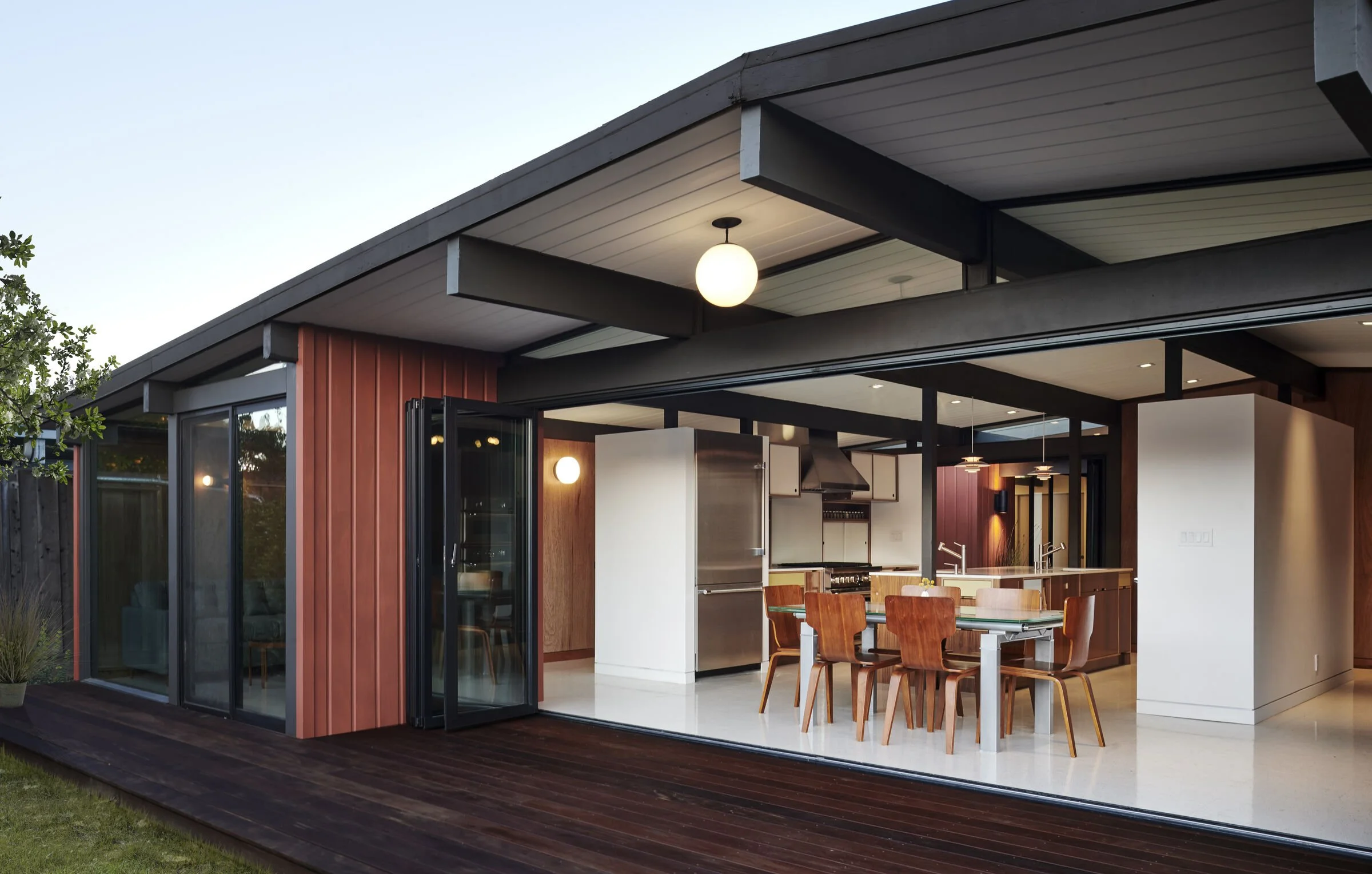
Browse with purpose: open a tract guide for local context, use the Floor Plan Library to study the architecture, and bring the Showing Notebook to compare actual properties. Photographs introduce the site’s architectural collection; they do not establish current availability, a tract boundary or the original architect of a particular home.
Search available homes → Explore the California Neighborhood Atlas →
Sunnyvale Eichler tracts
Compare the plan, the setting and the renovation story. Sunnyvale is a productive starting point for exploring several Eichler neighborhoods in one search. The cards below connect eight guides; use each as a research stop, not as a claim that nearby homes share the same plans or construction history.
Keep a consistent notebook: record the address, tract name, layout, daylight, outdoor space and questions for further review. A polished renovation and an intact original home call for different investigations. Neither can be evaluated from the tract name alone.
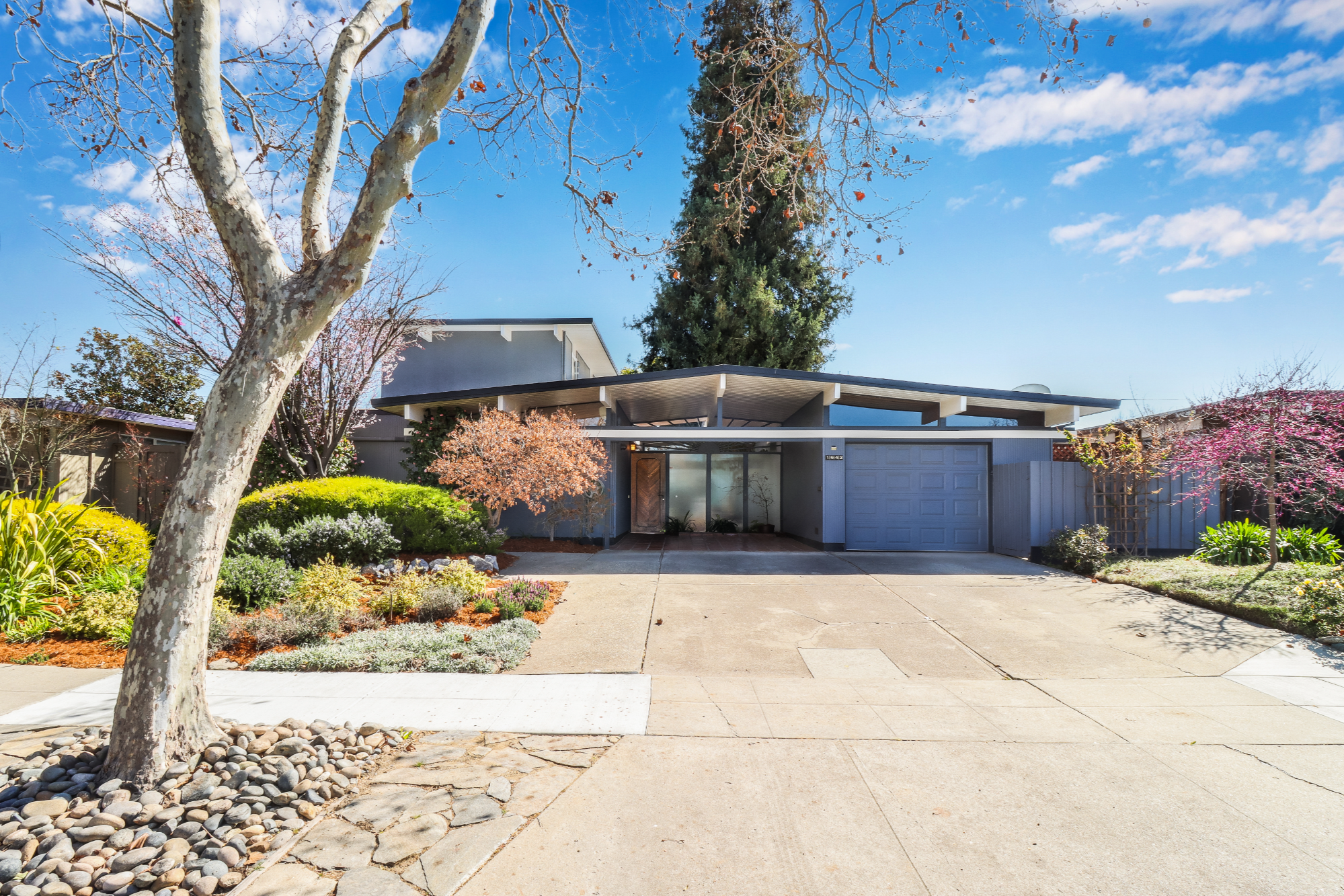
Fairbrae
Start your Sunnyvale comparison with Fairbrae, then place the actual house beside the other neighborhoods on your shortlist. Compare the entry sequence, bedroom separation and relationship between living spaces and the garden.
Property Nerds field note: Ask on a visit: where will work, storage and everyday dining fit without blocking the glass?
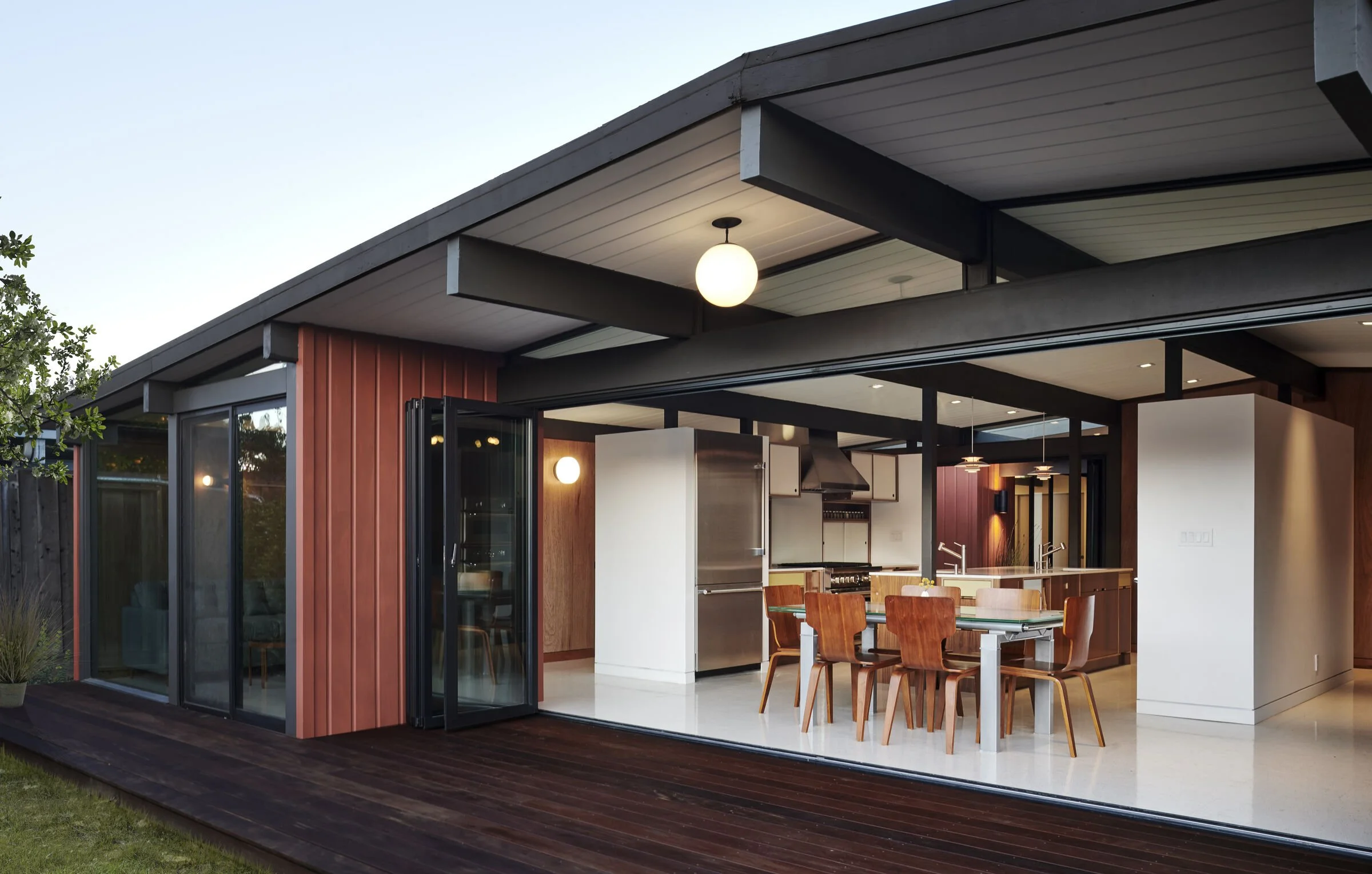
Rancho Verde
Use Rancho Verde as a separate research stop rather than treating all Sunnyvale Eichlers as interchangeable. Compare the street setting and the home’s orientation with the floor plan and renovation records.
Property Nerds field note: Ask on a visit: which rooms receive afternoon sun, and what shading or ventilation is already in place?
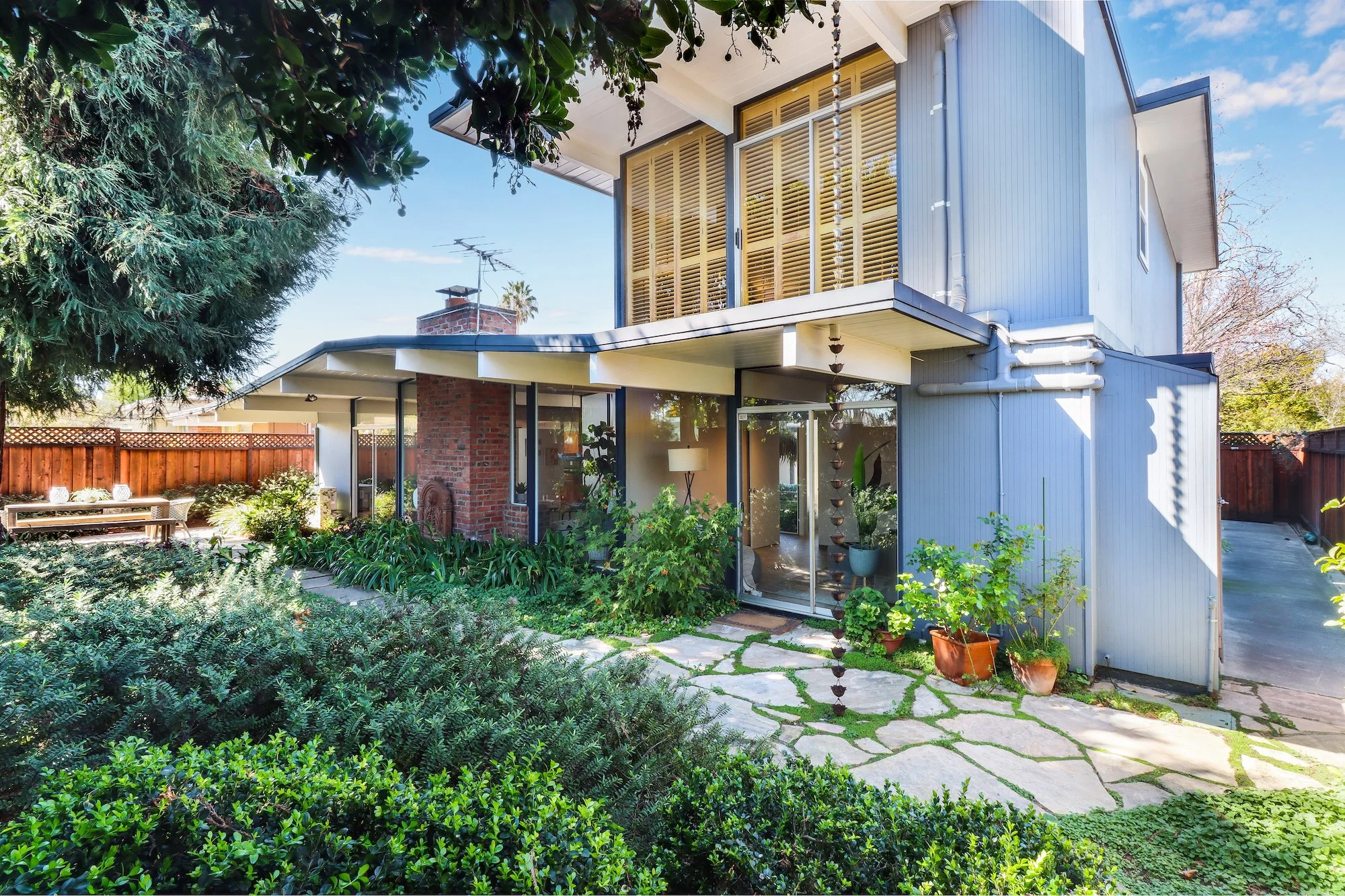
Fairorchard
For a Fairorchard candidate, trace how you move from arrival through the house to outdoor space. A compelling photograph is only the beginning: doors, storage, furniture and circulation need to work together in daily use.
Property Nerds field note: Ask on a visit: can the original plan be compared with the current layout and permitted alterations?

Fairwood
Research Fairwood by address and development context. Bring the same evaluation method you use elsewhere in Sunnyvale so that presentation does not outweigh the factors that matter to you.
Property Nerds field note: Ask on a visit: what evidence supports the roof, glazing, drainage and heating-system history?

Sunnyvale Manor II
Keep the “II” in your research notes: a tract name and a broader neighborhood label are not necessarily the same thing. Start with the dedicated guide and confirm the parcel’s original development history.
Property Nerds field note: Ask on a visit: how do the original room proportions compare with later additions or enclosed spaces?

Primewood
Add Primewood to a Sunnyvale search that compares different Eichler plans and development phases. Study roof form, ceiling heights and the placement of outdoor rooms in the particular home you tour.
Property Nerds field note: Ask on a visit: which design features are original, and which belong to a documented renovation?

Fairpark Addition
This card leads to the Fairpark Addition guide. Keep Fairpark and Fairpark Addition distinct in saved searches and research notes; similar names should not substitute for an address-level match.
Property Nerds field note: Ask on a visit: which tract and development phase appear in the property records?

Rancho Sans Souci
Explore Rancho Sans Souci as its own Sunnyvale stop. Before ranking a home, test the transition from street to entry and garden, then compare that experience at different times of day.
Property Nerds field note: Ask on a visit: how do privacy, nearby activity and the main living-room view feel in person?
Palo Alto Eichler tracts
Read the city one neighborhood at a time. Palo Alto’s Eichler story spans multiple developments and planning contexts. Establish the original tract and the address before transferring an architectural attribution, neighborhood rule or comparable sale from elsewhere in the city.
Alongside the featured cards, continue your research with University Gardens, El Centro Gardens, Green Gables, Greer Park, Fairmeadow, Maybell Gardens and Charleston Gardens.
Explore the Palo Alto city guide → · Stanford purchase-program information →

Los Arboles
Use the dedicated Los Arboles guide for this Palo Alto neighborhood. Match a candidate’s address to the right tract before borrowing a floor plan, architectural credit or remodeling assumption from another area.
Property Nerds field note: Ask on a visit: do the existing plans and permit records describe the house you are actually seeing?
Midtown
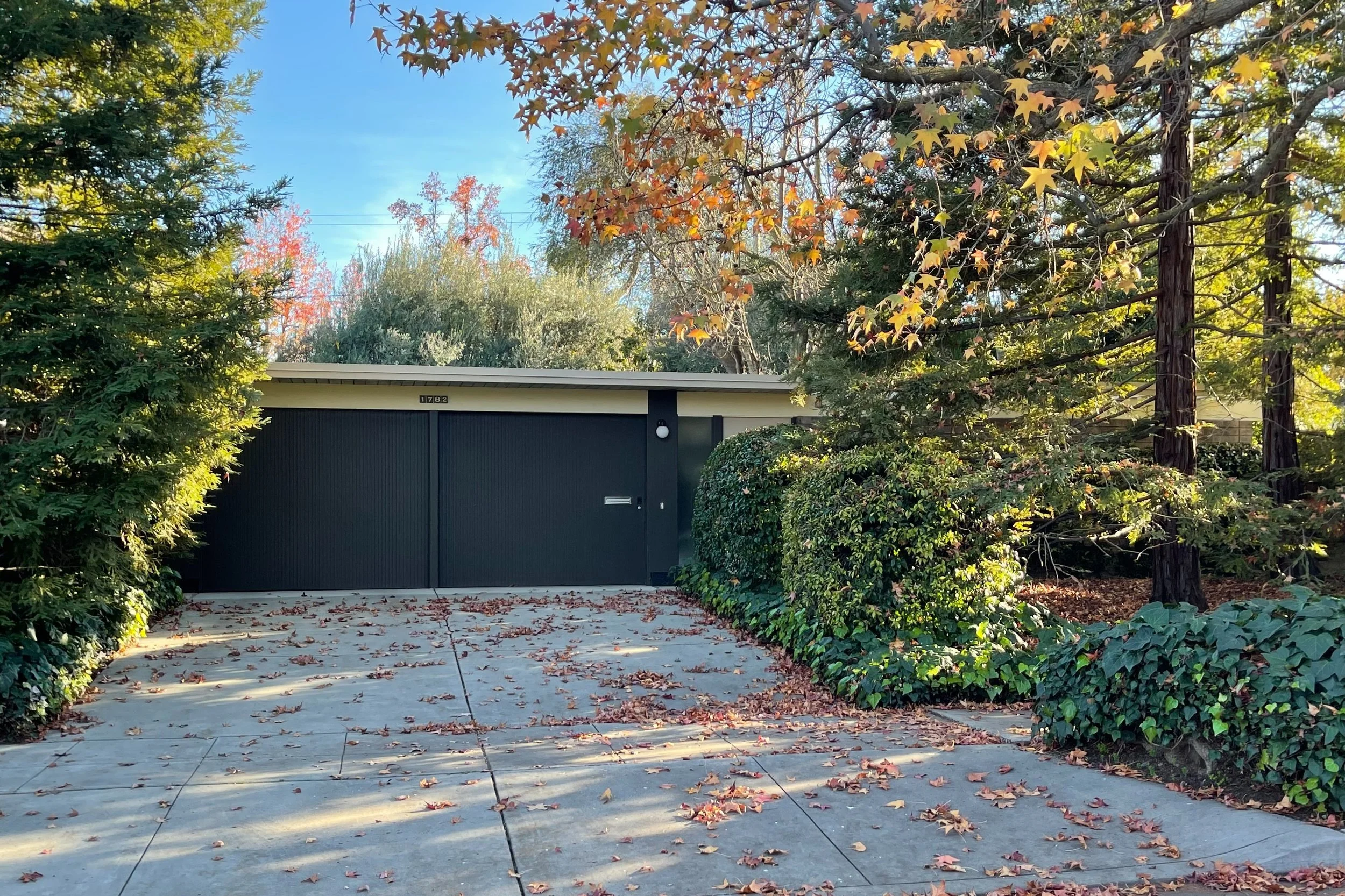
Midtown is a useful Palo Alto search area, but a neighborhood label alone does not establish that every home is an Eichler. Treat the individual property’s builder, development phase and alteration history as separate research questions.
Property Nerds field note: Ask on a visit: what documents support the home’s Eichler attribution?
Greenmeadow
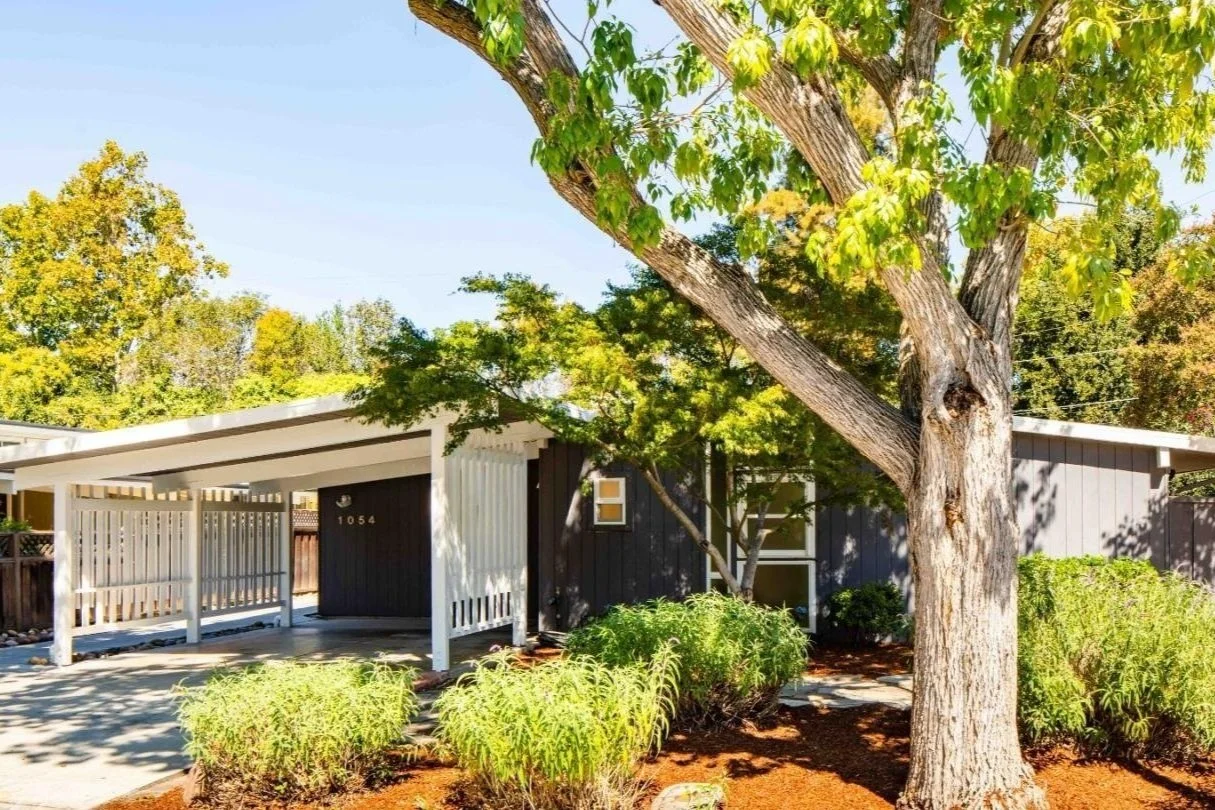
Greenmeadow connects individual homes with a larger community design story. Study the house and its street context together, then distinguish architectural history from the current condition and ownership arrangements of a particular property.
Property Nerds field note: Ask on a visit: what neighborhood or membership arrangements apply to this address, and where are they documented?

Charleston Meadows
Explore Charleston Meadows through its own guide rather than the Midtown page. Compare the original layout, present-day room connections and outdoor space with other Palo Alto candidates.
Property Nerds field note: Ask on a visit: have additions changed daylight, circulation or the relationship between the main rooms and garden?

Walnut Grove
Include Walnut Grove in a Palo Alto search built around specific streets and homes. Record what makes the property work for you before comparing finishes or listing photography.
Property Nerds field note: Ask on a visit: do the living areas offer the privacy and usable wall space your furniture, art and everyday routines need?
Stanford
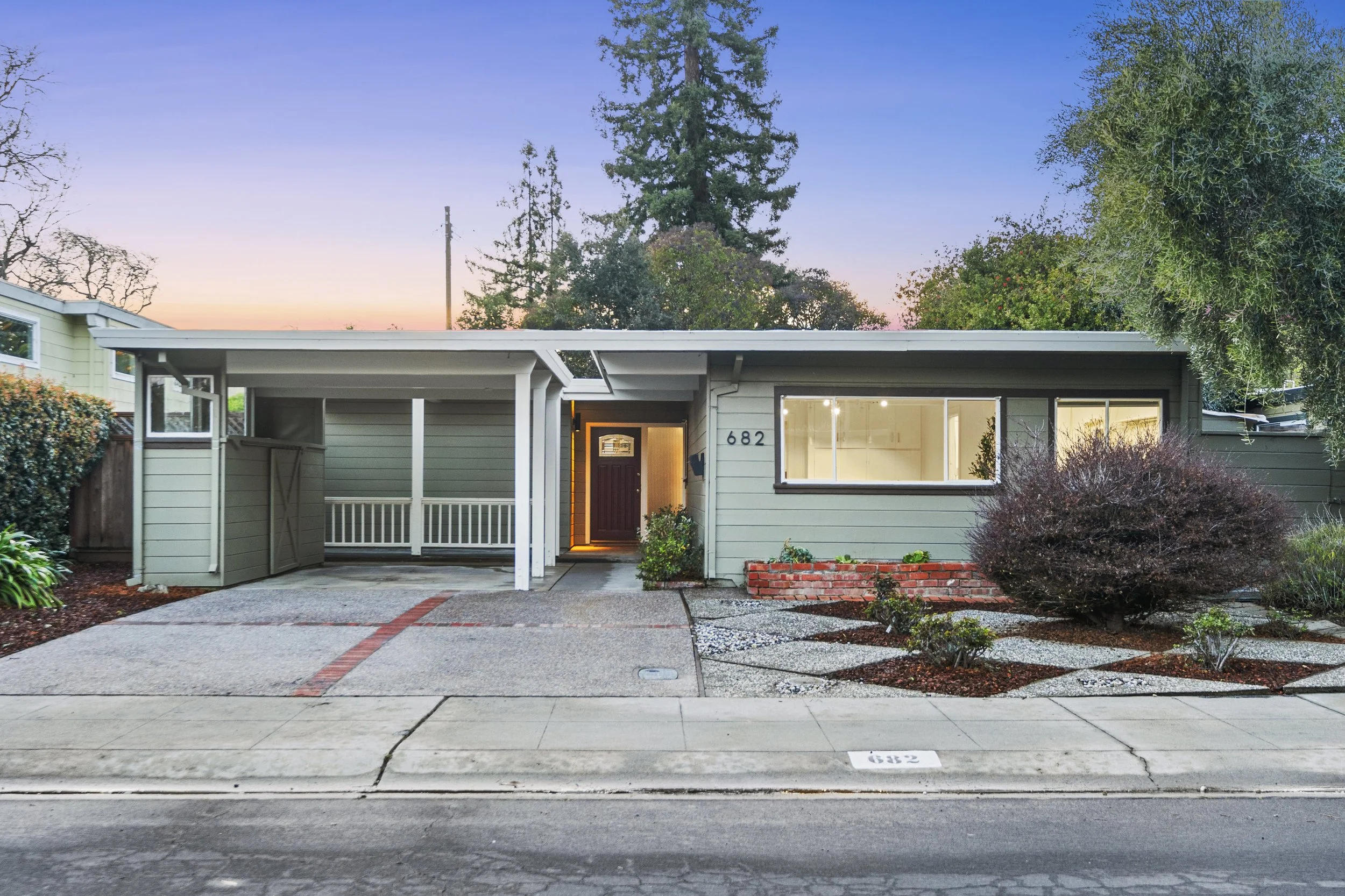
Stanford-area research requires an extra ownership check. For an on-campus ground-lease property, consult Stanford Faculty and Staff Housing about the applicable purchase program, eligibility and lease terms before treating it as a conventional purchase.
Property Nerds field note: Ask first: what ownership structure and eligibility requirements apply to this specific home?
Los Altos / Fallen Leaf Park
Start with documented inventory. Fallen Leaf Park provides a focused place to begin an Eichler search in Los Altos. Avoid treating every modern home in the city as an Eichler: use the address, original plans and property records to establish the builder and history.
On a visit, compare how the house sits on its lot, where the main rooms open to the garden and how later alterations affect the original composition. If a remodel is part of your plan, investigate the applicable planning requirements before deciding what could change.
Fallen Leaf Park
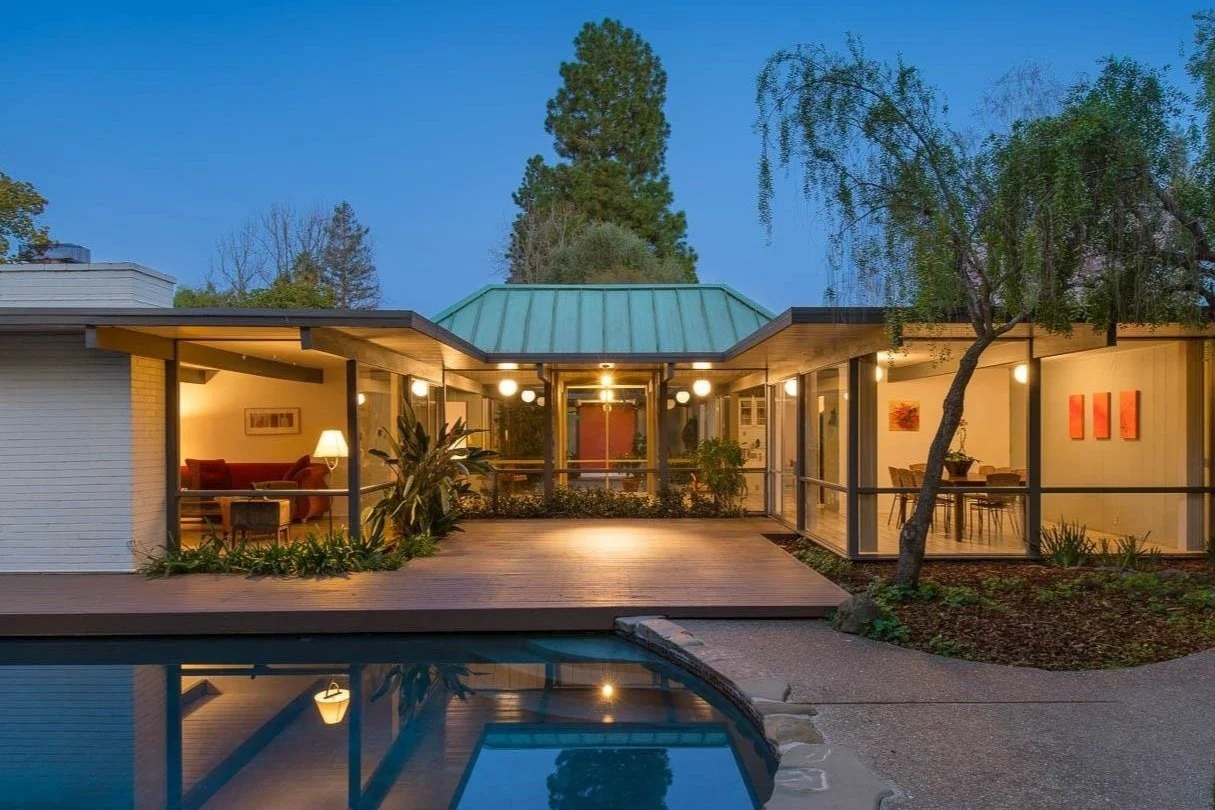
Begin Los Altos tract research with the Fallen Leaf Park guide. Look closely at the relationship between the original house, later work and landscape rather than assuming that a Los Altos address establishes a particular design or lot characteristic.
Property Nerds field note: Ask on a visit: which site, planning and property records should guide a potential renovation?
Cupertino / Fairgrove
Separate architectural fit from address-based research. Begin with Fairgrove, then investigate the particular house’s original design, present condition and alteration records. Record the features that matter to your daily routine before comparing cosmetic finishes.
School attendance boundaries and enrollment rules require current, address-level confirmation. Use official district tools rather than treating a city, ZIP code or tract name as a guaranteed assignment. Our school-district research guide connects the next steps.
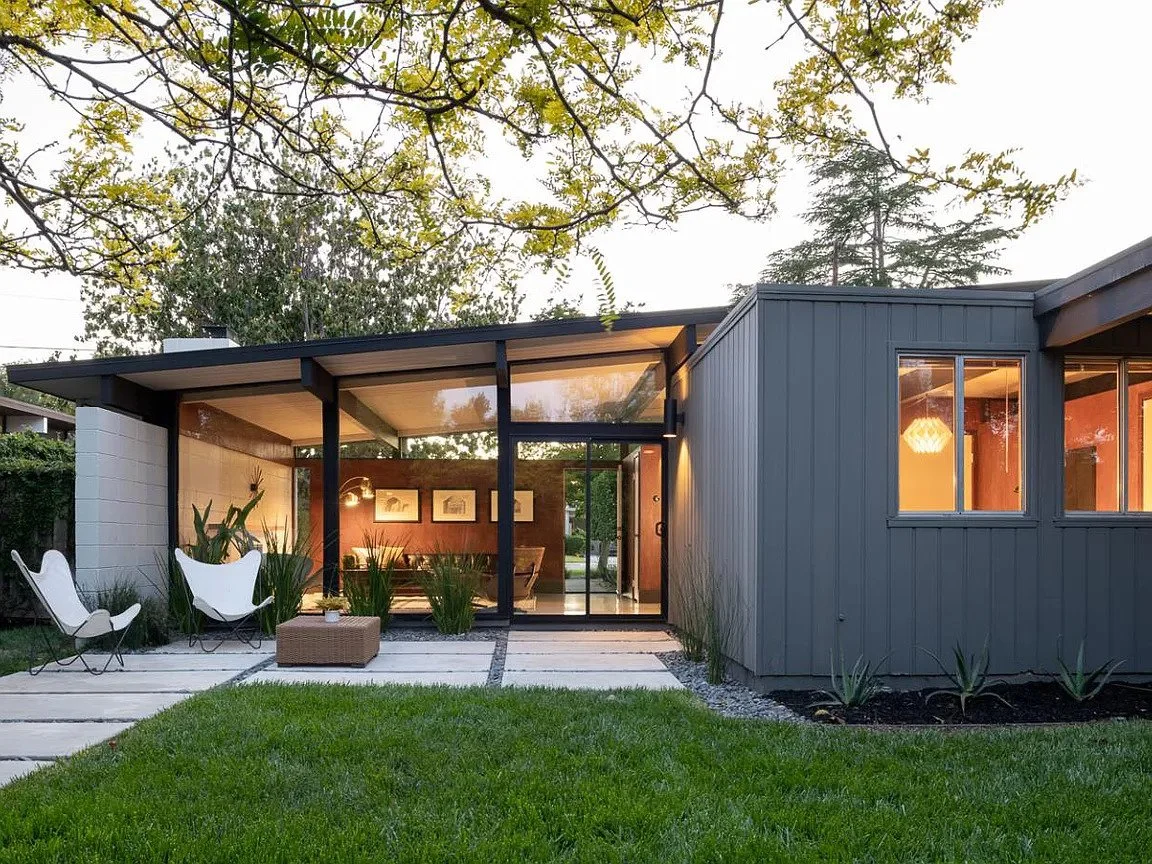
Fairgrove
Use Fairgrove as a specific Cupertino research destination. Compare the home’s architecture and condition first, then investigate schools and daily routes using the exact address and current official sources.
Property Nerds field note: Ask on a visit: what matters more for your routine—room flexibility, outdoor space, daylight or the journey to your regular destinations?
Santa Clara / Pomeroy communities
Eichler architecture with a different ownership conversation. Pomeroy Green and Pomeroy West belong in a comprehensive comparison, but their attached housing should not be evaluated as though every responsibility mirrors a detached home.
Request the documents for the exact community. Review ownership structure, financing requirements, recurring charges, reserves, insurance, maintenance responsibilities and alteration procedures with the appropriate professionals. Keep purchase price and ongoing obligations separate in your comparison.

Pomeroy Green
Pomeroy Green belongs in the conversation about Eichler’s attached housing. Use its dedicated guide and keep the exact development name attached to any ownership and association documents you request.
Property Nerds field note: Ask before comparing: what is the ownership structure, which costs are shared, and who maintains the roof, exterior and common areas?
Pomeroy West
Compare Pomeroy West with both its neighboring community and detached Eichlers. The architecture is only one part of that decision: shared maintenance, association finances and alteration procedures deserve their own review.
Property Nerds field note: Ask before comparing: what do the governing documents, budget, reserve study and current disclosures say about responsibilities and planned work?
San Jose Eichler tracts
Look beyond the neighborhood shorthand. San Jose’s official history identifies seven Eichler residential tracts forming five neighborhoods: Morepark, Fairglen, Fairglen Additions, Hudson and Fairhaven. A subdivision name, historic-district boundary and familiar neighborhood label can describe different things.
The City currently applies its Eichler Neighborhood Objective Design Standards to the Fairglen Additions historic district. Check the actual parcel and current city guidance before planning exterior changes; do not assume every San Jose Eichler has the same status.
Use the featured guides below as entry points, and include Hudson and the separate Fairglen Additions phases in your wider address-level research. Read the City’s Eichler neighborhood guidance →
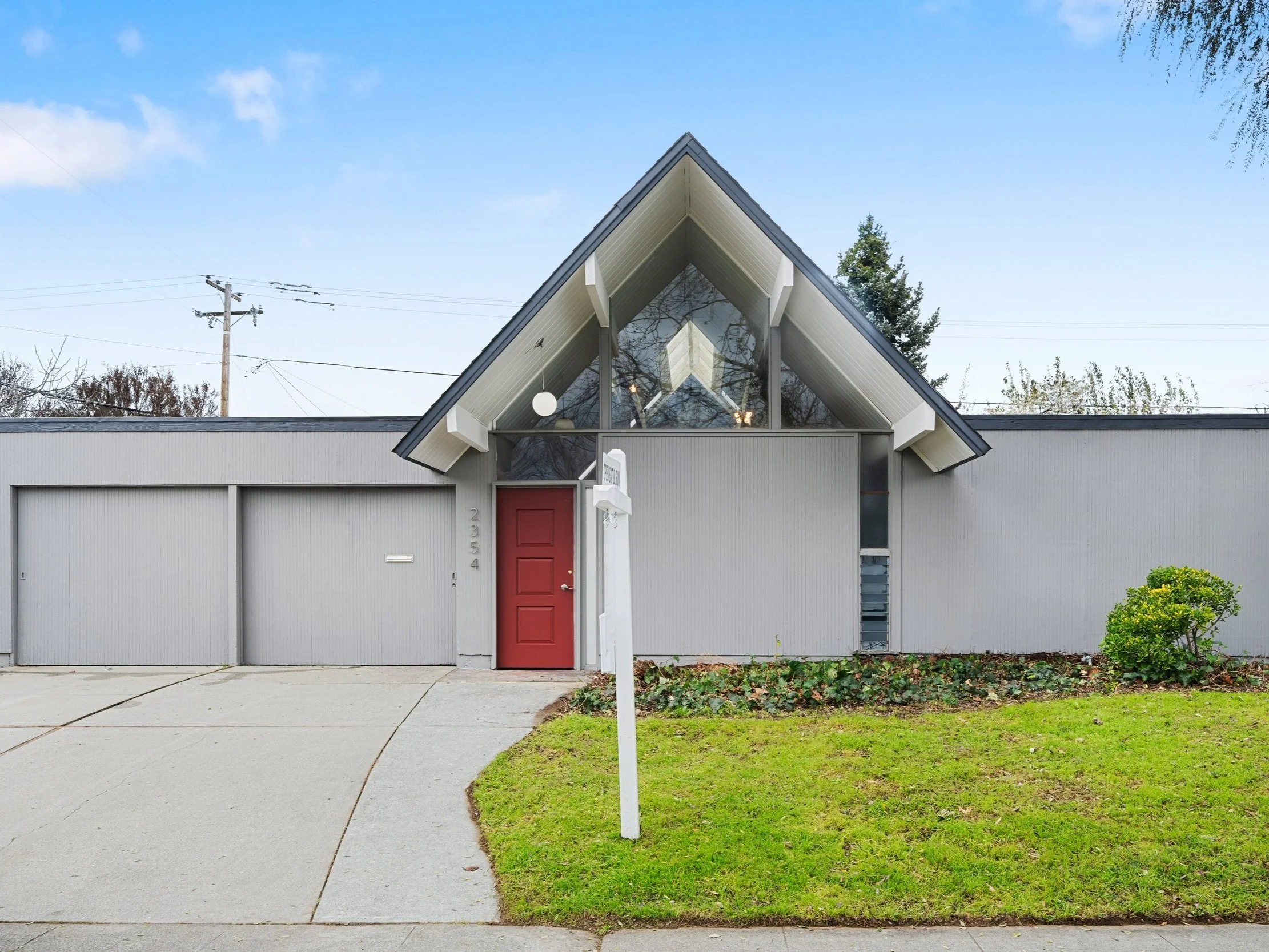
Fairglen
Keep Fairglen and Fairglen Additions distinct when researching a San Jose address. The City identifies them separately; its current Eichler objective design standards apply to the Fairglen Additions historic district.
Property Nerds field note: Ask before planning changes: is this parcel within the mapped district, and which current review requirements apply?
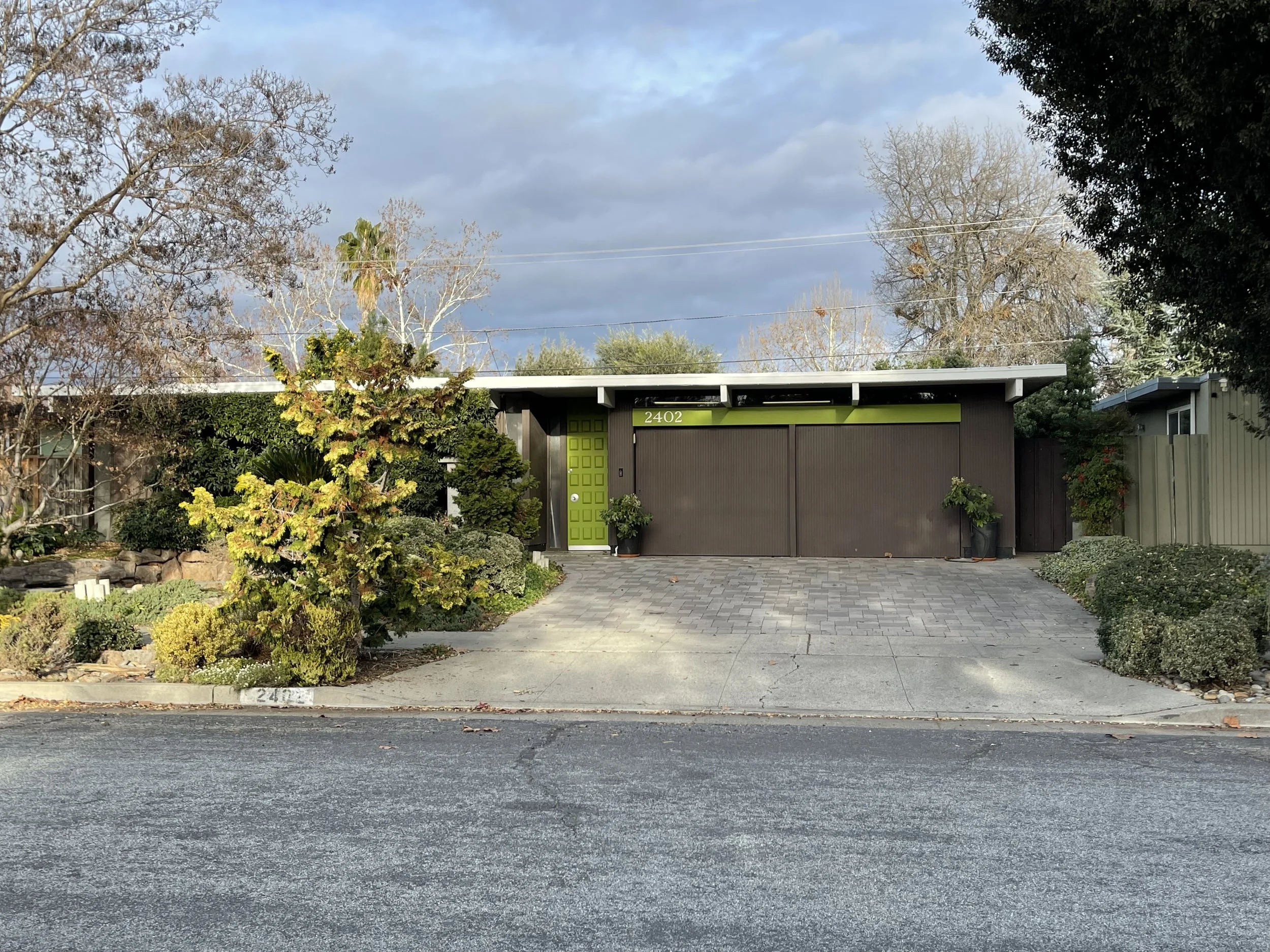
Rose Glen / Morepark research
Start with our Roseglen guide, then compare the address with San Jose’s official tract terminology. The City’s Eichler history identifies Morepark; broader neighborhood names and subdivision names can differ.
Property Nerds field note: Ask on a visit: which original tract and plans correspond to this parcel? Keep that evidence with your property notes.

Fairhaven
Fairhaven is one of the Eichler neighborhoods identified in San Jose’s official history. Compare the individual home’s layout and preserved details with other San Jose candidates, while checking the parcel’s own planning status.
Property Nerds field note: Ask on a visit: how do the roofline, glazing and courtyard relationships compare with the original drawings or historic photographs?
Mountain View / Fairview and Bell Meadows
One city; distinct research paths. Start with Fairview within Monta Loma, then explore Bell Meadows separately. The Monta Loma Neighborhood Association describes a neighborhood shaped by three builders: Eichler, Mackay and Mardell. A shared mid-century appearance does not make their homes identical.
Use builder attribution as a research starting point, then verify the actual foundation, heating system, materials and alteration history. Details in an original neighborhood description may no longer describe a renovated home.
Read the neighborhood association’s home-style guide → · Explore the Mountain View city guide →
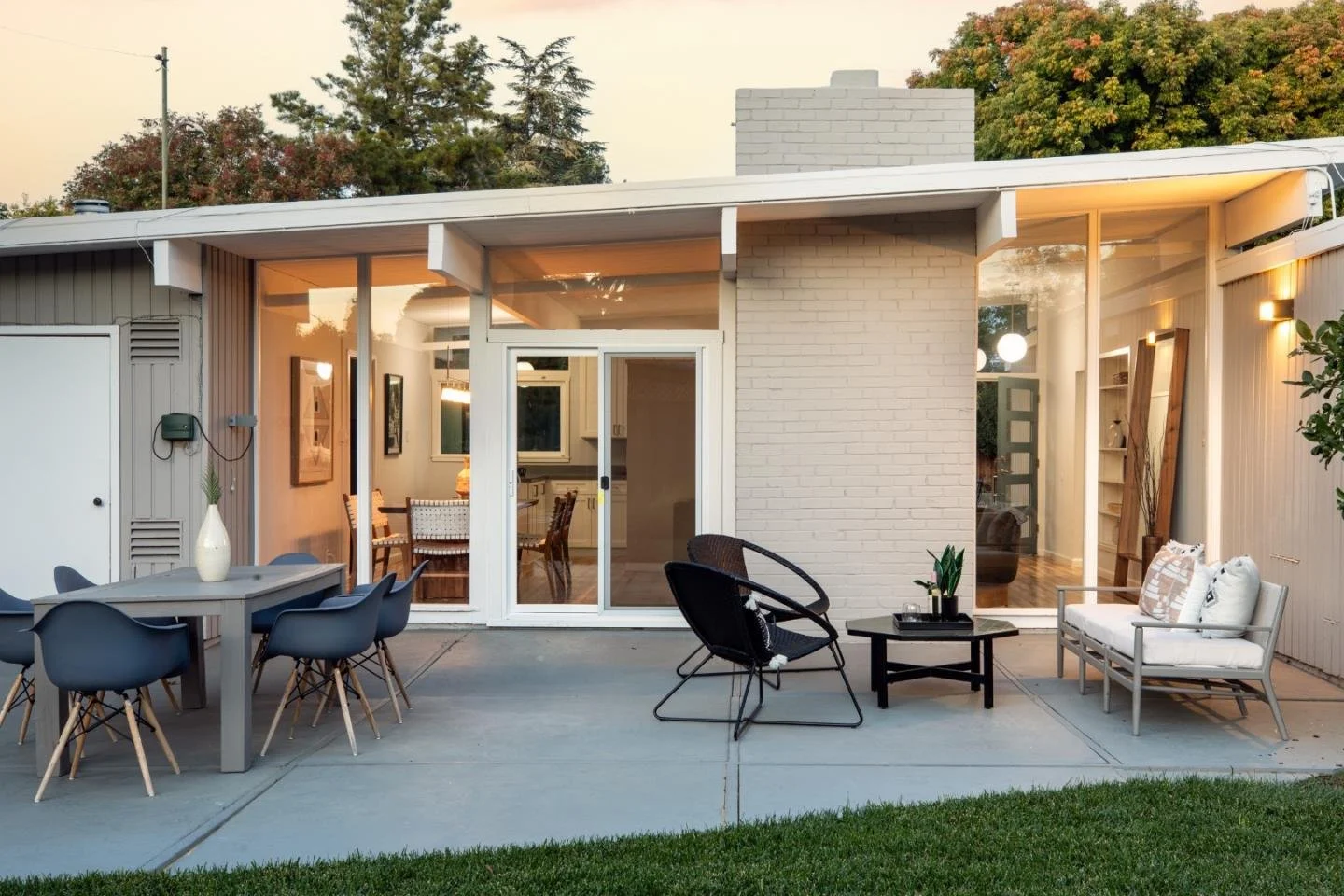
Fairview / Monta Loma
Monta Loma contains homes by Eichler, Mackay and Mardell. The neighborhood association identifies Fairview as the Eichler development, so “Monta Loma” and “Eichler” should not be used as interchangeable labels.
Property Nerds field note: Ask on a visit: which builder and construction system do the records establish for this home?

Bell Meadows
Explore Bell Meadows separately from Fairview and the broader Monta Loma neighborhood. Compare the actual floor plan and outdoor-room arrangement, then review the condition and history of any updates.
Property Nerds field note: Ask on a visit: how does the layout accommodate your daily activities, and which systems or alterations need specialist follow-up?
Continue along the Peninsula
Compare the setting as well as the architecture. Ladera and Atherwood add further possibilities to a Peninsula search. Confirm the address, local jurisdiction, parcel and original development rather than relying on a mailing-city label.
For a wider geographic view, use the California Neighborhood Atlas. It connects Silicon Valley with other Bay Area communities, Sacramento, Los Angeles and Orange County. This tract directory provides a focused starting collection, while the atlas helps you broaden the search.
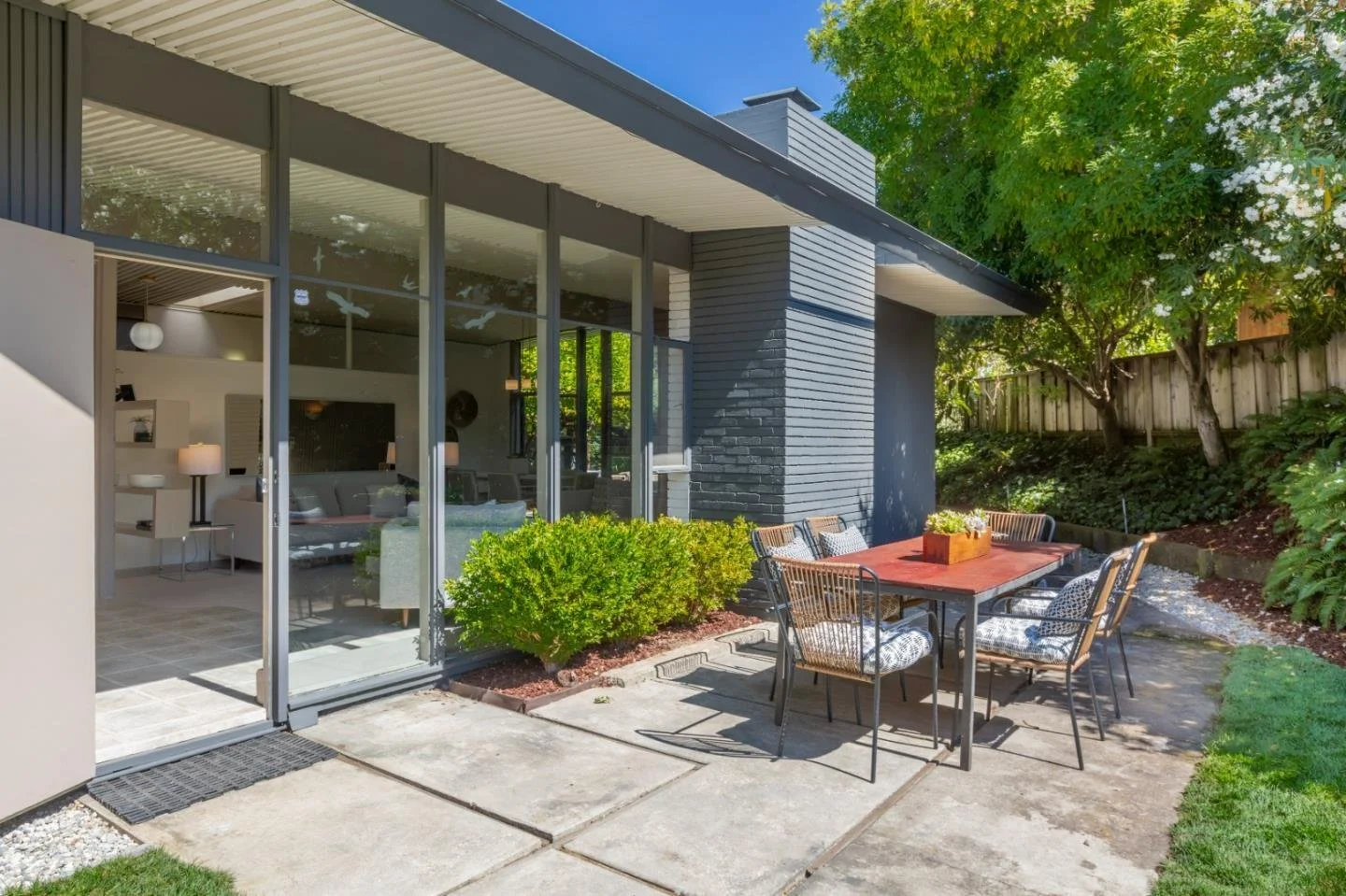
Ladera
Add Ladera to a Peninsula comparison that considers the setting as carefully as the house. Confirm the jurisdiction and parcel-specific information instead of assuming a mailing address defines planning rules or services.
Property Nerds field note: Ask on a visit: how do approach, terrain, drainage and outdoor access shape the practical use of this property?

Atherwood
Explore Atherwood through the Redwood City guide and the individual tract page. Compare the street setting and site orientation with the floor plan, then document how later work has changed the original composition.
Property Nerds field note: Ask on a visit: where do daylight, privacy and usable outdoor space work together—and where would you need further investigation?
Related mid-century homes / Mackay
Appreciate the architecture. Keep the builder credit accurate. A broad mid-century search can include compelling homes beyond Eichler. Sunshine Meadows is presented here as a Mackay comparison, with its own history and construction questions.
When comparing these homes, record the documented builder alongside the plan, foundation, heating, ceiling materials and alterations. “Eichler-style” is a visual description, not proof that Eichler Homes developed the property.
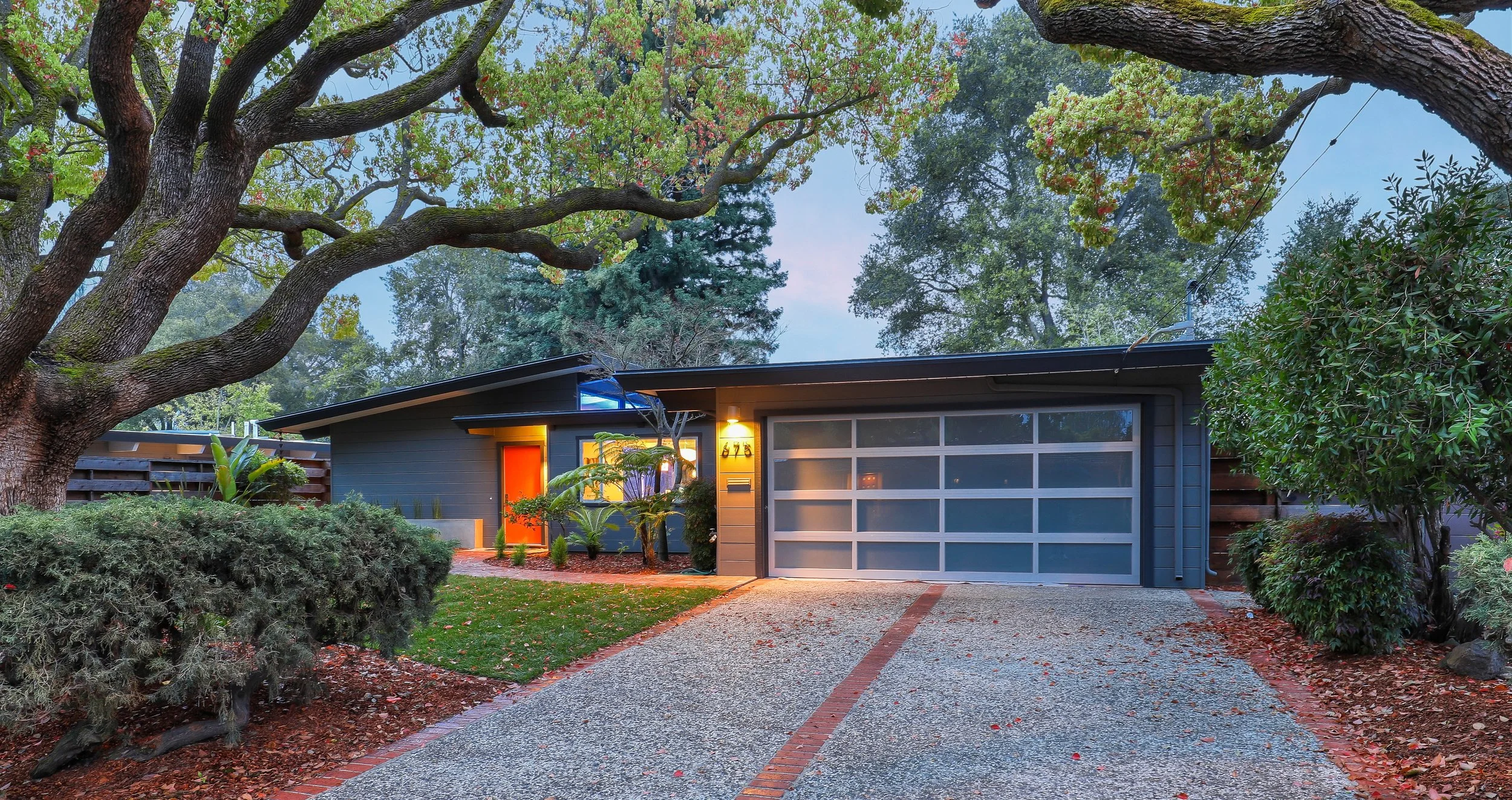
Sunshine Meadows / Mackay
Sunshine Meadows is included as a Mackay mid-century comparison, not as an Eichler-built tract. Architectural similarities can make these homes worth exploring, but builder attribution and construction details should stay precise.
Property Nerds field note: Ask on a visit: what is the documented builder, foundation and heating system? Compare the home on its own merits.
The Property Nerds tract-to-home research method
A tract gives you context. The property gives you the decision. Build a shortlist with a repeatable method so that a beautiful photograph does not crowd out the questions that matter.
01 / Establish the identity
Record the address, original tract or subdivision, builder and available architectural attribution. Compare parcel records, historic sources and plans. Keep an original architect’s credit separate from the designer of a later renovation. Our Joseph Eichler history and Floor Plan Library provide a starting vocabulary.
02 / Read the house in daylight
Walk the route from entry to living space to garden. Note privacy, glazing orientation, usable wall space, storage and the separation of quiet and active rooms. Visit at more than one time if possible. Use the Showing Notebook to keep observations consistent across homes.
03 / Separate visible condition from evidence
Ask for available roof, heating, drainage, glazing and electrical records. A newer finish does not establish the condition of the systems behind it. Record unanswered questions and arrange appropriate inspections and specialist reviews. The Ownership Lab helps organize the topics to investigate.
04 / Check the rules attached to the address
Confirm jurisdiction, planning requirements, historic status and any association or ground-lease documents. Use current district resources for school questions. A tract’s reputation or a nearby property’s approval is not an address-specific answer.
05 / Compare the whole ownership picture
Consider purchase terms, anticipated repairs, ongoing responsibilities and the practical fit for your life. Keep verified facts, personal preferences and open questions in separate columns. Use the Property Organizer to continue your search and the Find Your Eichler Fit tool to clarify priorities.
Questions Eichler buyers ask
Does every home in an Eichler neighborhood qualify as an Eichler?
No. Neighborhood names can cover multiple builders, replacement houses and later infill. Confirm the actual property’s builder and history. Monta Loma is a useful example of why the distinction matters.
Does an Eichler tract name identify the architect or floor plan?
It can help narrow the research, but it is not conclusive evidence. Development phases, model variations and later alterations matter. Match the address to plans and archival or property records before assigning a specific model or architect.
Are the photographs homes that are currently for sale?
The directory uses photographs from our existing site collection to introduce Eichler and related mid-century architecture. Check the separate listing search for current availability, status and details. A neighborhood photograph is not a live listing.
Can I search live listings by these exact tract boundaries?
Start with the site’s existing property search, then verify each candidate’s tract and builder. Listing-feed geography and descriptive fields may not match historic subdivisions. This directory does not promise a complete, exact-boundary tract feed.
Build your Eichler shortlist with the Boyenga Team
Send Eric and Janelle your preferred cities, two or three tract names, the layout features you value and the questions you want answered. We can help turn architectural interest into a focused property search—or help an owner explain the particular strengths of a home.
Email your tract shortlist → · Explore an Eichler valuation →

Eric & Janelle Boyenga / The Property Nerds®
Your Eichler questions deserve a property-specific conversation.
Eichlers@Boyenga.com · 408-373-1660