
Marketing Modernism: How Eichler Sold a Vision, Not Just a House
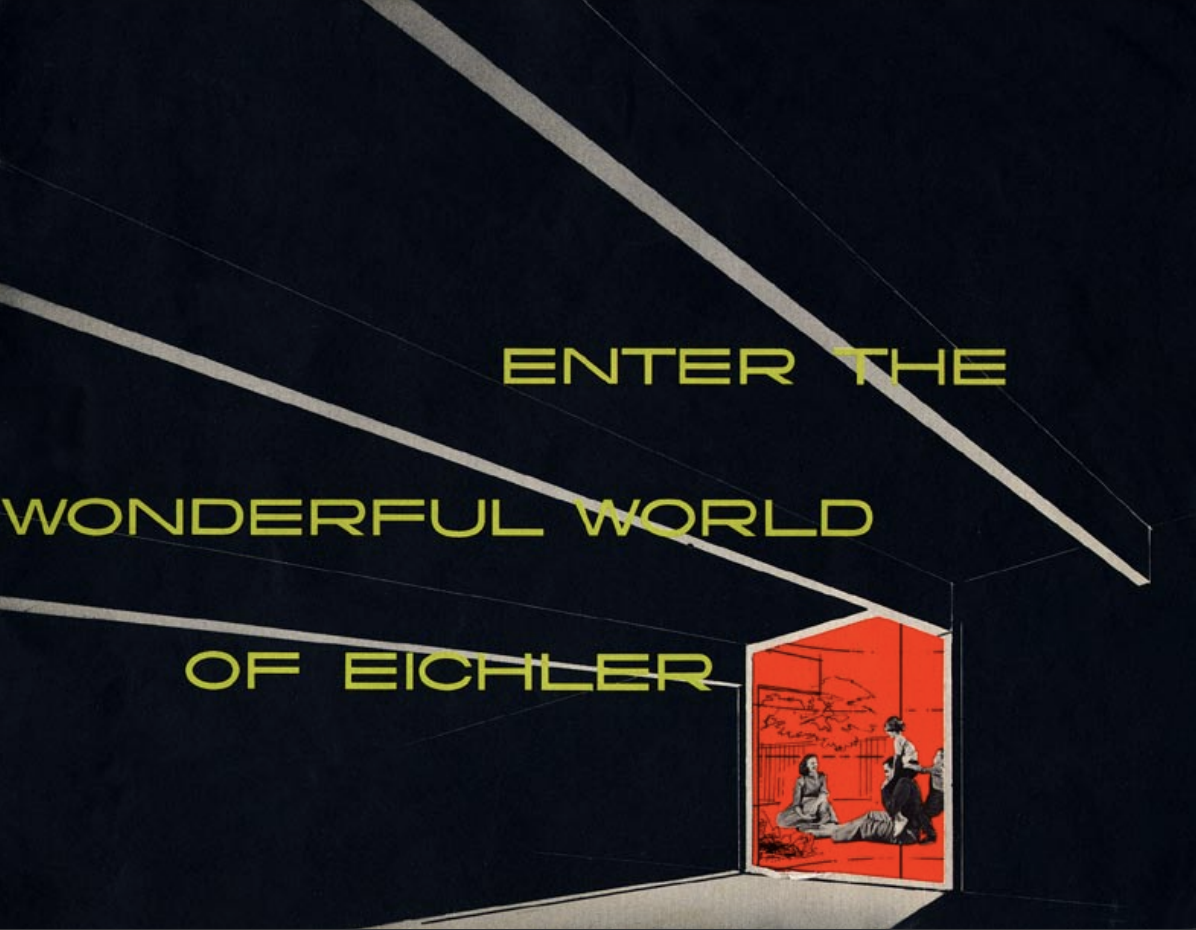

Joseph Eichler famously marketed modern homes, not just houses. In the 1950s and ’60s his marketing materials – brochures, newspaper ads, mailers, and model-home campaigns – were lavish productions designed to sell a new way of life. For example, a 1955 Eichler Homes brochure cheerfully declares “1,680 sq. ft. of space… and every inch of it planned!” mcgill.ca. Eichler brochures paired floorplan diagrams with optimistic copy; one 1960s flyer exalts a “Wonderful World of Eichler”, promising buyers more “usable living space, inside and out… [with] step-saving, work-saving space-arrangements” and the “latest built-in appliances” to “add time to your day and years to your life” mcgill.ca. These rich color pamphlets highlighted open layouts, brand-name appliances, radiant floors and seamless indoor-outdoor living – often showing fully furnished model rooms and even family scenes enjoying the house. Eichler’s ads did not just list prices; they sold aspiration. He famously proclaimed that his homes “go beyond” the ordinary market, with “much more thought and care” in design and “nothing…for frills and gimmicks” acsa-arch.org.
Brochures: Multi-page booklets with modern layout and inviting language. Eichler’s brochures used clean sans-serif typography and large graphics (maps, floorplans, photos) to convey the Mid-Century vision mcgill.caacsa-arch.org. One classic brochure cover (from the NBC-sponsored House That Home Built promotion) even featured a map of all Eichler tracts. Inside, pages fused hand-drawn architects’ renderings with spirited copy (“Live your New Way of Life surrounded by every convenience imaginable!”mcgill.ca).
Magazine/Newspaper Ads: Printed ads in local newspapers and home magazines emphasized Eichler’s unique style. They often flaunted slogans like “11,000 Eichler home-buyers can’t be wrong” acsa-arch.org, lending credibility. Headlines touted “Mid-century modern home values” and pointed out that Eichler homes featured the latest conveniences (nearly all units sold with a full complement of appliances and landscaped yards) academia.edu. Many ads highlighted open plans and glass walls with bold layouts.
Mailers & Direct Marketing: Eichler used direct mail campaigns to reach prospective buyers. For example, he capitalized on NBC’s “House That Home Built” TV program – a home-improvement series of that era – by distributing an NBC-produced promotional brochure to local clients kcmodern.com. This kind of media tie-in was innovative for its time. At sales events, Eichler sent postcards and flyers inviting people to grand-opening tours of new tracts, often using aspirational language and floorplan diagrams to pique interest.
Model Home Campaigns: Eichler built fully-stocked model homes as sales centers. Prospective buyers toured these turnkey model houses, which were furnished with contemporary furniture and high-end fixtures. As author Annmarie Adams notes, “Building materials and details were specified by the family after it had inspected a model home in Terra Linda” academia.edu. In other words, Eichler let customers personalize after seeing the model – a kind of one-stop shopping. The model home approach (with all landscaping and appliances included) reinforced the idea of convenience and modern living.
Excerpt from a 1955 Eichler Homes brochure (“The House That Home Built”). Eichler’s marketing copy and plans invite buyers into an open, efficient new lifestyle. Eichler’s print marketing was memorable and consistent. He used striking slogans and headlines – for example, a brochure cover boldly invited readers to “Enter the Wonderful World of Eichler” mcgill.ca. Another 1950s flier promised a home “so thoroughly planned for contemporary living” that “500 houses were constructed in Terra Linda in one year; they sold immediately.” academia.edu. By comparison, most builders of the time did not brag about speedy sales. In Eichler’s ads, every element was portrayed as part of a high-quality package: he often noted that a new Eichler would include “a full set of appliances and well-known brand-name materials and fixtures”, along with the lawn, patio, and even fences academia.edu. In short, Eichler’s vintage materials sold not just the home’s size or rooms, but an entire modern lifestyle experience.

Key Messaging Themes in Eichler’s Marketing
Eichler’s marketing consistently touched on five broad themes: postwar optimism, inclusivity/integration, modern living, indoor-outdoor harmony, and architectural innovation. Each theme was woven into the copy and branding to sell a vision of progressive suburban life.
Postwar Optimism: Eichler captured the era’s upbeat spirit. Brochure copy is full of exuberant language – offering new conveniences “added to your day and years of life” mcgill.ca. Eichler promised buyers a “new way of life” in a “Wonderful World of Eichler” mcgill.ca. Architect Dan Graham later observed that Eichler homes were marketed as “houses of wonder in an after-victory world,” tapping into the post-WWII confidence acsa-arch.org. In other words, Eichler’s advertising told Americans that the future had arrived: sleek, spacious homes that improved everyday life.
Inclusivity and Integration: Long before fair-housing became law, Eichler embraced racial and religious inclusivity as a core value – and he hinted at it in marketing. He took pride in building diverse communities and openly defied segregationist norms cityofsacramento.gov. As one historian notes, Eichler built neighborhoods “where all were (and still are) welcome” atomic-ranch.com. While most builders of the 1950s stayed silent on race, Eichler’s stance became part of the brand ethos. He quipped that the best way to sell an integrated community was to prove “integrated housing worked just fine as a business” atomic-ranch.com. This progressive message – selling a forward-thinking community, not an exclusive enclave – resonated with some buyers and set Eichler apart in the marketplace.
Modern Living and Convenience: Every Eichler ad stressed cutting-edge living features. Brochures highlighted the latest technology: radiant-floor heating, picture windows, built-in appliances and space-saving built-ins. Eichler touted that his plans created “more usable living space, inside and out, than is offered in any other home!” mcgill.ca. Ad copy emphasized space-efficiency and workflow: “Step-saving, work-saving space-arrangements” and “the finest principles and techniques of building… give the maximum livable area”. The message was that Eichler houses were not cluttered with useless frills – “Nothing is spent for frills and gimmicks”, Eichler wrote – but instead achieved “beauty…by the architect’s skill” and thoughtful designacsa-arch.org. In short, Eichler sold modern “simple luxuries” (built-in appliances, sleek materials) to make daily life easier and better, reinforcing the idea that buying an Eichler was a step into the future.
Indoor-Outdoor Harmony: Especially in California, Eichler’s marketing prized the connection to the outdoors. Advertisements and sales literature showed homes with atriums, breezeways, and glass walls. Eichler promoted designs where “major rooms open toward the backyard”, leaving the street façade almost blank academia.edu. Homes were presented as ornaments nestled in nature. One Eichler tract brochure for Sacramento even labeled its model the “Eichler Atrium,” showing how families could live “Al Fresco All Year”. This emphasis on light, air, and landscaping supported the California lifestyle brand: marketing copy depicted sunlit interiors flowing into gardens, with slogans like “rooms and patios as one living space” (common in Eichler copy). In this way, Eichler conveyed indoor-outdoor living as an everyday reality of owning his houses.
Architectural Innovation: Perhaps above all, Eichler sold design. In stark contrast to most builders, Eichler made modern architecture the star. He hired prominent architects (Robert Anshen, Jones & Emmons, A. Quincy Jones, Claude Oakland) and gladly put their names on his homes. Eichler marketing highlighted the pedigree: ads boasted “architect-designed” modern homes at tract-housing prices. He even compared himself to Levittown in price and scale, but proudly noted “the Eichler name and the predictable architecture that it represented were marketed as positive features to potential home buyers” academia.edu. Eichler brochures used clean geometric layouts and often mentioned architectural details (post-and-beam construction, atriums, radiant heating) in captions. Slogans like “11,000 Eichler home-buyers can’t be wrong” acsa-arch.org invited validation of his innovative approach. As one Eichler ad put it, other builders “despised and avoided architects,” but Eichler “embraced them” acsa-arch.org. In effect, every ad was an architectural manifesto: Eichler wasn’t selling a boring white-picket life; he was selling a forward-looking, design-driven one.
Branding Elements: Typography, Photography, and Slogans
Eichler’s marketing materials were also carefully branded in look and tone. His brochures and ads used crisp, modern typography (sans-serif fonts and all-caps headlines) and a spare layout. Photography was typically professional black-and-white or subtly tinted, showing the homes at flattering angles with abundant light. The slogans and language reinforced the premium nature of the product. As seen above, bulletproof taglines – “Wonderful World of Eichler” and “11,000 home-buyers can’t be wrong” – proclaimed confidence mcgill.caacsa-arch.org. Brochure copy avoided flowery romance; instead it was direct and pragmatic about innovations. For example, one page’s text reads:
“Space is what you want most. And space is what you get in generous abundance – 1,680 sq. ft. of it… Each room has been arranged for maximum livability, with minimum expense.”mcgill.ca
This blend of optimistic tone and concrete detail (square footage, built-in features, open plans) became Eichler’s house style. He even gave his marketing a consistent theme of “modern California” by frequently using words like modern, streamlined, California, and by using the image of bright sunshine and palm trees in artful ad backgrounds. In sum, Eichler’s branding elements – from typeface to brochure language – were all aligned to promote a sleek, forward-looking identity.
Eichler vs. Typical 1950s Suburban Marketing
Eichler’s approach stood in sharp contrast to the typical suburban home marketing of the 1950s. Where most tract homes were marketed as traditional and familiar, Eichlers were explicitly modern. Consider these differences:
Design Aesthetic: Traditional ads featured colonial or ranch-style houses with pitched roofs, shutters, and white pickets, implying stability and conformity. Eichler ads shouted flat roofs, open plans and glass walls. He often displayed his floor plans and mid-century elevations as selling points. Indeed, Eichler himself said he gained advantage by pitching his homes’ “design innovation” against competitors’ cookie-cutter Cape Cod and Ranch houses acsa-arch.org. In short, mainstream marketing sold sameness; Eichler sold distinctiveness.
Messaging & Lifestyle: Conventional 1950s ads sold ideals of comfort, family togetherness and the “American dream” — often evoking houses with lawns, church, children playing, and the promise of homeownership for returning GIs. They rarely mentioned the home’s architect or contemporary style. By contrast, Eichler’s copy cast the home as the center of a modern lifestyle. His marketing talked about “open-door living”, flexible “family rooms”, and “California casual” living. He used language like “wonderful world,” “rare architecture,” and “modern home values” to evoke excitement, not nostalgia.
Social Context: Traditional campaigns typically targeted middle-class white Americans and were silent on race. Eichler’s marketing, however, implicitly included everyone. He advertised integrated developments and never shied away from noting that any buyer was welcome. This was radical at the time. Eichler also framed his neighborhoods as communities – his literature mentioned schools and parks in the tract, even though these were public tracts – signaling an inclusive, neighborly vision.
Sales Strategy: The typical salesman in a suburban tract might quote low rates or FHA financing. Eichler’s sales pitch instead emphasized package value (all appliances included, great architects) and intrinsic design value. He even built alliances with consumer media (like television and House & Home magazine) to reach buyers, while most suburban ads stayed in newspapers. Eichler’s models were slickly presented; by contrast, many builders simply opened vacant lots for buyers to view with builders’ flags and billboards. Eichler tried to make the visit an event – a grand opening with refreshments and tours of decorated models – and then promised an easy turnkey transaction with everything done for you academia.edu.
In summary, whereas 1950s suburban marketing often meant “a nice little house, safe neighborhood, and reasonable price,” Eichler marketed “a new California way of living, cutting-edge design, and social progress.” This vision-based selling set him apart from competitors of the era acsa-arch.orgcityofsacramento.gov.
Lessons for Modern Real Estate Professionals
Modern agents and brokers can learn much from Eichler’s playbook. Here are key takeaways inspired by Eichler’s approach:
Sell a Lifestyle, Not Just Specifications. Eichler never just touted square footage; he sold “the California lifestyle.” Today, agents should similarly paint a picture of daily life in the home and neighborhood. Emphasize how the property feels: the light in the kitchen at sunset, the breeze through the atrium, or the convenient school/community access. As Eichler did with phrases like “wonderful world” mcgill.ca, tell buyers what living there is like, not just technical details.
Highlight Design and Quality. Identify what makes the home unique (architectural features, craftsmanship, brand-name finishes) and feature those boldly in marketing. Eichler’s ads boasted about hiring star architects and including top appliances academia.eduacsa-arch.org. Today’s agents can similarly brand a home with its pedigree (“designed by [architect]”) or its special amenities (“open-beam ceiling”, “custom chef’s kitchen”), rather than treating it as a generic commodity.
Use High-Impact Visuals. Eichler’s brochures were visually striking; modern agents must match that with high-quality photos, video, and staging. The Boyenga Team, for example, photos each Eichler home in “flattering natural light” and stages it with period-modern furnitureboyengateam.com. Great visuals help buyers instantly grasp the style and scale of a home.
Embrace Digital Storytelling. Just as Eichler leveraged contemporary media (TV tie-ins, glossy mailers), today’s professionals should master digital channels. Content marketing – blogs, social media posts, virtual tours – can educate and inspire buyers about a home’s story. The Boyenga Team maintains a specialized Eichler/Bahl blog to explain architectural history and lifestyle, echoing Eichler’s educational brochures boyengateam.com. Agents should similarly engage communities online, not just list facts.
Offer Value-Added Service. Eichler’s ‘everything included’ approach is akin to modern “white-glove” service. He essentially bundled appliances, landscaping, and design into the saleacademia.edu. Today, agents can bundle offerings like staging, renovation consults, or flexible financing (e.g. using Compass Concierge to pre-pay improvements) to reduce friction for buyers and justify a premium. Emphasize these extras in marketing as Eichler did with his all-in-one package ethos.
Be Authentic and Value-Driven. Eichler’s commitment to integration and modern ideals became part of his brand. Agents should similarly leverage authentic values (sustainability, community involvement, architectural preservation) to connect with buyers. Clients today appreciate purpose-driven stories; Eichler’s legacy shows that standing for something can boost a property’s appeal.
In all, Eichler teaches us that storytelling wins. He sold an entire vision – innovation, ease, community – wrapped in strong branding. Modern real estate pros should follow suit: craft a compelling narrative around each property, use polished branding elements, and put the buyer’s lifestyle at the center of the story.
The Boyenga Team at Compass: Modern Eichler Marketing
Silicon Valley’s Boyenga Team at Compass exemplifies Eichler’s marketing lessons today. Specialists in mid-century modern homes, Eric and Janelle Boyenga actively channel Eichler’s ethos in their branding. They describe each Eichler or MCM home “as a unique piece of art”, photographing it in natural light and staging it with period-appropriate modern furnishings boyengateam.com. Listings and social posts emphasize the indoor-outdoor California lifestyle – for instance by showcasing atriums and garden patios – much as Eichler did in his ads.
The Boyengas are also storytellers. They maintain an educational Eichler blog (like the one this article draws from) to teach buyers about architectural details and neighborhood history boyengateam.com. Their marketing mixes data-driven digital campaigns with niche community outreach, resonating with modernist enthusiasts boyengateam.com. Crucially, they offer white-glove service: every listing is promoted through Compass’s Concierge (no-money-down renovations and staging to highlight the home’s best features)boyengateam.com, echoing Eichler’s one-stop package of modern conveniences. They also guide clients through the quirks of MCM homes (e.g. specialized roofing or windows) so transactions go smoothly.
In short, the Boyenga Team applies Eichler’s playbook in the 21st century. They brand Eichler homes as collector-worthy treasures, market the lifestyle around them, and serve clients with innovation and passion. By telling the story of each home’s design and heritage, they prove Eichler was right: buyers crave a vision, not just a list of walls. This modern application of Eichler’s principles – blending design-forward branding, lifestyle emphasis, and client-centric storytelling – keeps the legacy of “selling a vision, not just a house” alive in today’s marketboyengateam.com.
Sources: Eichler-era brochures and advertisements as documented by architectural historians academia.edumcgill.caacsa-arch.orgacsa-arch.org atomic-ranch.com, cityofsacramento.gov; analysis from mid-century modern experts and listings by the Boyenga Team atomic-ranch.com, boyengateam.com.
Sources