
Concierge ROI Matrix for Silicon Valley Eichler & Mid-Century Modern Homes
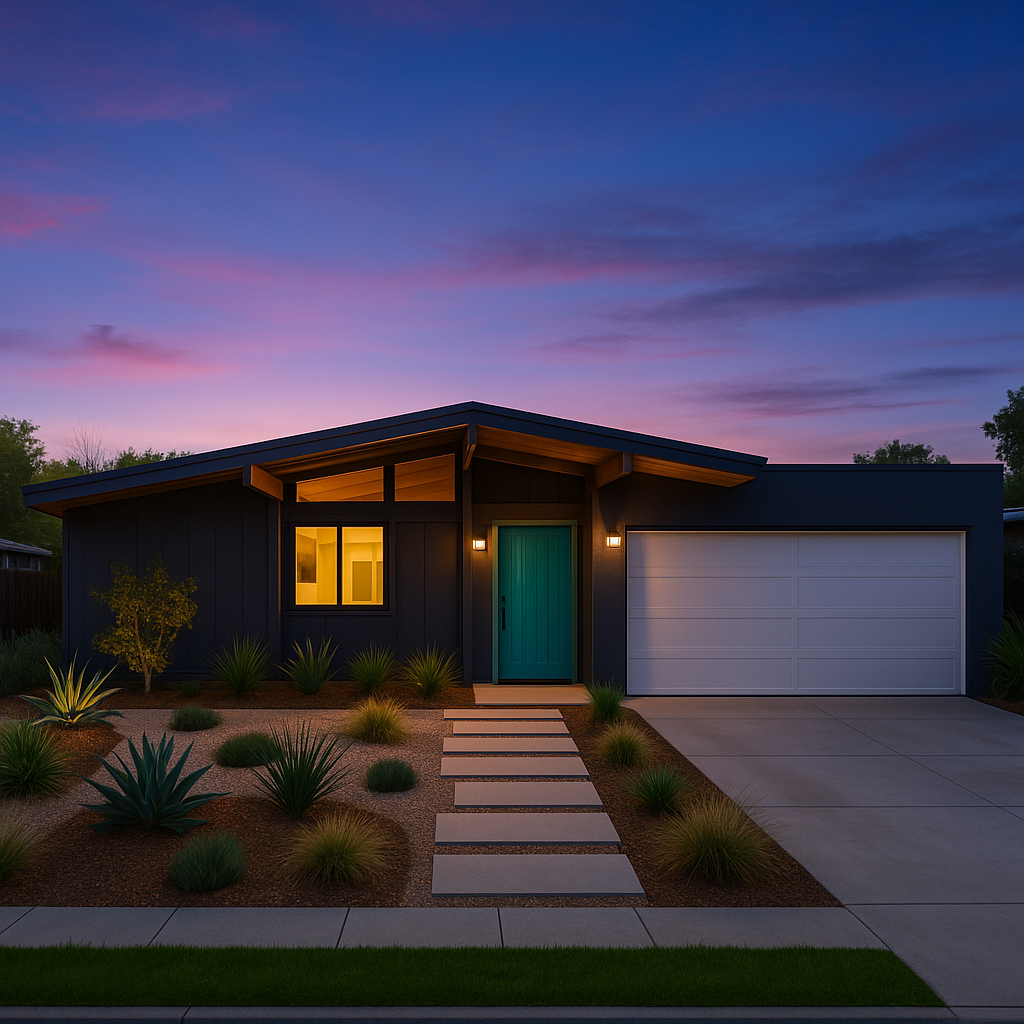
Maximizing Value While Preserving Mid-Century Charm
Selling a mid-century modern Eichler home in Silicon Valley means striking a balance between modern upgrades and architectural authenticity. In high-demand Eichler neighborhoods like Palo Alto, Sunnyvale, San Mateo Highlands, Mountain View, Cupertino, and San Jose, thoughtful renovations can significantly boost resale value eichlerhomesforsale.com. In fact, recent data shows well-renovated Bay Area homes often sell for 10–15% above asking price, compared to ~5% for homes without updates boyengarealestateteam.com. Preserving the signature Eichler style (open-beam ceilings, floor-to-ceiling glass, clean lines) is also crucial – many buyers are Eichler aficionados who specifically seek out original mid-century design elements eichlerhomesforsale.com. The following Concierge ROI Matrix identifies strategic upgrades from the past ~3 years of Eichler/MCM listings, highlighting those that deliver the highest return on investment (ROI) at resale while honoring the home’s mid-century character.
How to Use This Matrix: For each upgrade category, we provide typical Silicon Valley cost ranges, the value added on resale or ROI, impact on buyer interest and days on market (DOM), and notes on architectural alignment (i.e. the risk of compromising the home’s mid-century modern purity). This data-driven guide will help Eichler sellers prioritize renovations that wow today’s buyers and protect the Eichler spirit.
ROI Matrix Summary – Key Upgrades
The table below summarizes each upgrade type with estimated costs, ROI/value-add, impact on marketability, and alignment with Eichler/MCM architecture:
Flooring (Polished Concrete, Engineered Wood, Cork)
Avg. Cost: ~$10,000–$25,000 (whole house)
ROI / Value-Add: ~50–70% ROI for new floors; up to 100%+ when refinishing original hardwood
Marketability Impact:
Strong “move-in ready” impression
New flooring increases buyer pool; old carpet slows DOM
Architectural Alignment:
Excellent when using mid-century materials (concrete, cork, hardwood)
Seamlessly reinforces the authentic Eichler aesthetic
Heating System (Modern Radiant Heat or Mini-Split HVAC)
Avg. Cost: ~$10,000–$30,000
ROI / Value-Add: ~50–60% ROI; +3–5% added value when smart, efficient systems installed
Marketability Impact:
Vital for buyer confidence—HVAC issues can stall offers
Homes with AC + efficient heat sell faster to tech buyers
Architectural Alignment:
High for radiant (fully invisible)
Moderate for mini-splits—keep discreet to preserve clean MCM lines
Kitchen Remodel (Mid-Century Modern-Aligned)
Avg. Cost: ~$50,000–$150,000
ROI / Value-Add: ~80–90% ROI; modern Eichler kitchens often recoup ~87%
Marketability Impact:
Major buyer magnet—triggers bidding wars
Updated kitchens significantly shorten DOM
Architectural Alignment:
Excellent when using flat-panel cabinetry, minimalist hardware, MCM finishes
Preserve character while integrating modern amenities
Bathroom Remodel (Spa-Like Modernization)
Avg. Cost: ~$15,000–$40,000 per bathroom
ROI / Value-Add: ~70–90% ROI; even minor updates return ~70–80%
Marketability Impact:
Strong driver of higher offers
Multiple updated bathrooms dramatically increase appeal
Architectural Alignment:
High—use floating vanities, simple lines, glass enclosures
Ideal for maintaining MCM minimalism
Interior & Exterior Paint
Avg. Cost:
Interior: ~$5,000–$10,000
Exterior: ~$10,000–$20,000
ROI / Value-Add:
~100%+ ROI (interior)
~2–5% added value on exterior; ~51–55% ROI
Marketability Impact:
Massive curb appeal upgrade
Fresh paint often boosts sale price by 7–10%
Architectural Alignment:
Strong with MCM-friendly palettes
Keep original mahogany paneling unpainted to preserve authenticity
Roof Replacement (Foam or TPO Membrane)
Avg. Cost: ~$20,000–$30,000
ROI / Value-Add: ~50–60% ROI; prevents value loss more than adding value
Marketability Impact:
Removes major buyer/lender concerns
Prevents DOM drag from “old roof anxiety”
Architectural Alignment:
Excellent—foam or TPO preserves Eichler’s flat profile
Avoid pitched roofs; they compromise the Eichler look
Landscaping & Curb Appeal Enhancements
Avg. Cost: ~$5,000–$15,000
ROI / Value-Add: ~60–100% ROI; front door/garage upgrades may exceed 100% ROI
Marketability Impact:
Strongest impact on first impressions
Homes with great curb appeal sell faster and often 7–10% higher
Architectural Alignment:
High when using MCM-inspired design: geometric plantings, gravel, succulents, globe lights
Restoration of Original Features
Avg. Cost: ~$1,000–$10,000
ROI / Value-Add:
Intangible ROI but major value protection
Authentic Eichlers consistently command highest neighborhood prices
Marketability Impact:
Purist buyers respond extremely well
Preserves long-term value and neighborhood architectural identity
Architectural Alignment:
Very high—restoring mahogany paneling, globe lights, original materials enhances authenticity
Smart Home Integrations (Discreet + Minimalist)
Avg. Cost: ~$1,000–$5,000
ROI / Value-Add:
~50–80% ROI
+3–5% value increase for smart-equipped homes
78% of modern buyers pay more for smart features
Marketability Impact:
Significant appeal for Silicon Valley tech buyers
Smart homes sell faster and at higher price points
Architectural Alignment:
High when devices remain subtle, flush-mounted, minimalist
Avoid visible clutter or bulky tech that disrupts MCM purity
Sources: Data compiled from Remodeling Cost vs. Value reports, Realtor analyses (Eric & Janelle Boyenga Team, Compass), Eichler specialist insights, and recent Silicon Valley real estate comps (2022–2025) boyengarealestateteam.com.
Below, we delve into each upgrade category with detailed data and examples, explaining how each improvement can increase resale value and enhance buyer appeal without betraying that classic mid-century modern vibe.
1. Flooring Upgrades: Polished Concrete & Engineered Wood
A Silicon Valley Eichler with enhanced curb appeal and updated materials: note the smooth concrete patio and clean lines extending indoors. Modern surfaces like polished concrete and hardwood blend with Eichler architecture, creating a seamless indoor-outdoor flow that buyers love. Fresh exterior paint, a new pergola, and lush minimalist landscaping complete the authentic mid-century look boyengarealestateteam.com.
What & Why: Floors set the stage for the entire home. In Eichler and other MCM homes, original floors were often concrete slab, cork, or modest tile. Upgrading flooring can dramatically refresh the interior. Polished concrete has become a popular choice for Eichlers – it is ultra-modern, low-maintenance, and blends effortlessly with mid-century architecture. It provides a sleek “blank canvas” that complements post-and-beam designs and radiant heating systems. Engineered hardwood or quality vinyl plank is another common upgrade, adding warmth while still offering the clean lines preferred in modern design. Importantly, Silicon Valley buyers tend to avoid wall-to-wall carpet (except perhaps in bedrooms) in these homes; hard surfaces are preferred for both aesthetics and allergies.
Cost: Replacing flooring in an Eichler (often ~1,500–1,800 sq ft) typically costs $10K–$25K depending on material. Polished concrete averages about $3–$8 per sq.ft. (≈$5–$15K total) in California, making it cost-competitive with mid-range hardwoodc. Engineered wood flooring runs ~$6–$12 per sq.ft. (installed), so a whole-house install might be $10K–$20K. Refinishing an existing hardwood or cork floor (if the home has one) is cheaper – often just $3–$5 per sq.ft. to sand and seal. Notably, refinishing original hardwood can yield extremely high ROI (over 100%) because it’s inexpensive relative to the value it adds. By contrast, installing brand-new flooring has a more moderate cost-to-value return.
ROI / Value-Add: Expect roughly 50–70% ROI for new flooring installations. In other words, a $20K floor project might raise the home’s sale price by ~$10–14K. High-quality flooring is seen as a solid – though not outright profitable – investment, often necessary to meet buyer expectations. There are scenarios of ROI >100% – for instance, if you rip out old shag carpet and reveal/restore original slab or wood, the value jump can exceed the cost. Nationwide surveys find 147% ROI for hardwood refinishing and 118% for new wood floors on average, showing how much buyers value gleaming floors. In the Bay Area specifically, one realtor team notes that flooring upgrades typically offer ~70–80% ROI in resale value (with the remainder recouped through faster sale. The slightly lower ROI locally reflects higher labor costs and that many homes here already have decent flooring. Nonetheless, fresh floors significantly boost buyer perception – a move-in-ready floor means one less project for the buyer, which often translates to stronger offers.
Impact on Marketability: New floors can have an outsized psychological impact on buyers and DOM. Walking into an Eichler with continuous, modern flooring (instead of dated linoleum or mismatched surfaces) creates an immediate impression of cleanliness and update. According to the Boyenga Team, a well-chosen floor makes a home “feel cared-for and welcoming”, which attracts more interest and higher offers right from the curb boyengarealestateteam.com. Conversely, old or unattractive flooring can make an otherwise solid house feel like a fixer, slowing down the sale. By eliminating eyesores like stained carpet or decades-old vinyl, you remove a common buyer objection. In practice, Bay Area agents often advise sellers to replace tired flooring before listing for exactly this reason – it can be the difference between multiple offers versus none. Drive-by appeal is even affected: seeing flooring upgrades highlighted in listing photos (e.g. “new hardwood floors throughout”) will draw more buyers to visit in person.
Architectural Alignment: Mid-century modern compatibility: This upgrade can be very faithful to Eichler aesthetics if done right. Polished concrete is arguably the most authentic choice, since Eichler homes were built on concrete slabs (many originally finished with carpet or tile that owners now remove to expose the slab). A smooth, sealed concrete floor “blends seamlessly with the architectural aesthetics of mid-century modern homes” – it looks era-appropriate and showcases features like radiant heating. Many Eichler owners report that concrete or terrazzo-style floors “complete” the modernist look of their homes. Engineered hardwood can also work well if you choose a simple plank (e.g. white oak or walnut in a matte finish). Eichler’s own model homes in the 1950s often showed hardwood or cork tile in living areas, so a low-sheen wood floor still reads as period-friendly. Alignment risk is low as long as garish patterns are avoided. The main misstep to avoid is installing something like wall-to-wall carpeting or very ornate flooring that clashes with the minimalist design. The consensus among Eichler experts is to stick with monolithic, natural-looking floors – concrete, large-format tile, or uniform wood – which keep the focus on the home’s architecture. As a bonus, these choices are usually low-maintenance and durable, appealing to today’s buyers who also value practicality.
Pro Tip: If the home still has its original concrete slab visible (perhaps in the atrium or garage), consider having it professionally cleaned, ground, and sealed rather than covering it up. This can cost as little as ~$3–5 per sq.ft. and often reveals a beautiful mid-century surface. However, do consult an Eichler-savvy contractor to test for moisture issues in the slab – Eichler Network warns that slabs can have efflorescence or other challenges that need proper sealing. When done correctly, a polished slab floor can become a show-stopping feature that wows buyers and preserves a core original element of the home.
2. Heating System Upgrades: Modern Radiant Heat vs. Mini-Split HVAC
What & Why: Many mid-century homes – Eichlers in particular – have unique heating needs. Original Eichlers famously had in-floor radiant heating (copper pipes embedded in the slab). Over time, those systems often fail (leaks in the slab) or become inefficient. Upgrading the heating is not just about ROI, but about ensuring the home is comfortable and marketable to today’s buyers. In Silicon Valley, buyers expect a reliable heating system – and increasingly, air conditioning as well – even in older homes. There are two main upgrade paths:
Modern Radiant Heating: Some Eichler owners choose to install new hydronic tubing (PEX) for radiant heat, either by cutting channels in the slab or adding an overlay on top. This can restore the invisible comfort of warm floors. Alternatively, radiant ceiling panels or baseboard radiators (hydronic or electric) can be added in each room. Radiant solutions preserve the clean look (no wall units or ducts) – a big plus for Eichler purists.
Ductless Mini-Split Heat Pumps: The more common solution today is to add mini-split HVAC units. These electric heat pump systems provide both heating and cooling, a major advantage since original Eichlers had no A/C. Mini-splits consist of an outdoor compressor and one or more indoor air handlers mounted on walls or ceilings. They are efficient and easier to install than ducted systems (important, as Eichlers have no attic for ducts). The trade-off is visibility: the wall-mounted blower units can be a visual intrusion if not placed thoughtfully.
Cost: Upgrading an Eichler’s heating can range widely. A mini-split system for a typical 4-bedroom Eichler runs roughly $10K–$20K for a multi-zone setup (several indoor units) including installation. Each indoor unit might be ~$3K installed, plus ~$5K–$8K for the outdoor unit – so a 4-unit system could approach $15K. High-end systems (e.g. ducted mini-splits hidden in a dropped ceiling or using low-profile ceiling cassettes) can cost $20K+. On the other hand, replacing the radiant heat is often a larger construction project. If the original pipes are failing, one approach is to abandon them and install electric radiant mats or hydronic PEX tubing above the slab (then pour a thin concrete layer and new flooring). This can cost $20K–$30K easily for the whole house, especially once you include a new boiler or heat pump water heater as the heat source. Radiant ceiling panels (which mount like flat panels on ceilings) might be more affordable per room (a few thousand each including wiring). Overall, mini-splits tend to be more cost-effective for adding A/C along with heat, whereas replicating radiant floors is often done only in luxury-level remodels due to cost.
ROI / Value-Add: Heating and cooling upgrades typically yield a moderate ROI – not sky-high, but they protect your home’s value. A new HVAC (especially an efficient one) generally returns on the order of 50–60% of its cost in increased home value. For example, spending $15K on a heat pump system might raise the sale price by ~$8–9K. That said, market context matters: if most homes in your area have A/C and yours doesn’t, adding it can significantly boost your home’s appeal and value. In fact, converting an older heating system to a modern energy-efficient HVAC can increase home value by 10–20% in some cases, with one Bay Area report citing a 103% ROI for full HVAC electrification. (This likely applies when an old no-A/C house gets a new heat pump – buyers pay a premium since it’s now “future-proof” with green technology and comfort.) More broadly, energy-efficient upgrades (heat pumps, insulation, etc.) often yield around 50–80% of their cost back in value boyengarealestateteam.com. It’s also worth noting the indirect value: a home with lower projected utility bills (thanks to a new efficient HVAC) may get a pricing edge. Many buyers today will pay a bit more upfront for a home that is eco-friendly and won’t need immediate mechanical upgrades boyengarealestateteam.com. Surveys show majority of buyers are willing to pay extra for energy efficiency and comfort features in a home boyengarealestateteam.com.
Impact on Marketability (DOM & Buyer Interest): While a new heating system might not be as flashy as a new kitchen, it can heavily influence buyers’ willingness to bid and close quickly. Here’s why:
A home with an old or non-functional heating system is often a red flag. Buyers worry about costly repairs and may either lowball the offer or avoid the listing. If the roof-mounted furnace in a mid-century home is 30+ years old, for example, expect savvy buyers (or their inspectors) to object. This can prolong days on market or force price concessions. Conversely, advertising “New HVAC system” or “new mini-split AC/heat units installed in 2023” in the listing gives buyers peace of mind.
Especially in Silicon Valley microclimates, A/C is increasingly expected. In hotter areas like San Jose or Cupertino, lack of air conditioning can be a deal-breaker. Even in Palo Alto or San Mateo (which have milder summers), more people work from home now and want climate control. Providing a turnkey cooling solution (like mini-splits) widens your buyer pool. Your home will likely attract more interest and offers, and spend fewer days on market, than a similar Eichler without A/C.
Upgrading to an eco-friendly heat pump or adding smart thermostats can also be a selling point that agents highlight during showings (“this home has a modern efficient HVAC – lower energy bills!”). While that might not drastically raise price, it can tip indecisive buyers in your favor, reducing time to sale.
It’s worth mentioning that some lenders and insurers pay attention to big-ticket systems like the roof and HVAC. An old furnace at end-of-life or an abandoned radiant heat system might cause issues in escrow (some lenders require these to be fixed for the loan). Replacing them pre-sale avoids any last-minute delays, thus keeping your time on market low.
Architectural Alignment: This is a category where implementation matters for preserving the mid-century aesthetic:
Radiant Heating: Alignment is excellent. Restoring the original concept of invisible radiant heat keeps the home exactly as Joseph Eichler intended – no visible equipment. New in-floor systems or ceiling panels maintain the minimalist look. If feasible in your budget, this is a purist’s dream solution (buyers certainly won’t complain about toasty floors either!). Just ensure any new thermostats or controls have a clean, modern design (many opt for smart thermostats anyway).
Mini-Splits: Alignment is moderate. The benefit is you avoid bulky ductwork, but the wall units are visible. To mitigate this, strategically place indoor units in unobtrusive locations (above a closet door, or low on a wall with plantings to screen, etc.). Some owners build simple soffits or use slim ceiling-recessed cassettes to hide them. Painting the unit to match the wall can help it blend in. The key is to keep systems discreet so they do not detract from the home’s minimalist design eichlerhomesforsale.com. It’s a common recommendation to “ensure these systems are discreet” in Eichler upgrades eichlerhomesforsale.com. Overall, most buyers will accept the look of a few mini-split heads in exchange for comfort – it’s a net positive as long as the install is clean.
No matter which route, use professional installers familiar with Eichler or ranch homes. They’ll know, for example, how to hide linesets (refrigerant tubing) on an exterior Eichler wall or to preserve the tongue-and-groove ceiling when adding wiring. A sloppy HVAC install can definitely undermine aesthetics, whereas a careful one can be almost unnoticeable. Done right, a heating/cooling upgrade boosts comfort and market appeal without sacrificing the home’s design integrity – a win-win.
3. Kitchen Remodels: Modernizing the Heart of an Eichler
An updated Eichler kitchen in Cupertino that blends modern convenience with mid-century style. Note the flat-front white cabinets, simple bar pulls, and open layout preserving the original post-and-beam ceiling. Upgrades like quartz countertops, an island/breakfast bar, and energy-efficient appliances made this kitchen a stunning focal point. The sellers kept Eichler touches (exposed beams, tongue-and-groove ceiling) while adding modern lighting and fixtures. The result? Multiple offers and a top-dollar sale, proving an Eichler kitchen can be modernized without sacrificing character boyengarealestateteam.com.
What & Why: The kitchen is often called “the heart of the home,” and in Silicon Valley real estate it’s frequently the #1 factor for buyers. A dated kitchen can drag down an Eichler’s value, whereas a stylish, open, turn-key kitchen can ignite a bidding war. This is especially true because many Bay Area buyers are busy professionals or families who don’t want to undertake a full kitchen remodel themselves after purchasing. They’re willing to pay a premium for a home that already has a modern, beautiful kitchen. For mid-century homes, the challenge is to modernize for today’s tastes (open concept, big prep spaces, high-end appliances) while respecting the mid-century design. Eichler kitchens were originally compact and minimal, often closed off by partitions – many owners now remove walls to integrate the kitchen with living spaces, which today’s buyers love for entertaining and family living.
Cost: Kitchen remodel costs in Silicon Valley are high. A mid-range renovation (e.g. updating cabinets, counters, appliances without moving walls or plumbing too much) can easily run $50K–$80K. A high-end “down-to-studs” rebuild with custom cabinetry, luxury appliances (Thermador/Sub-Zero), and maybe a slight reconfiguration or wall removal could be $100K–$150K+. Eichler remodels sometimes fall in the middle since layouts are fairly open to begin with – you might spend ~$75K for new cabinets, quartz countertops, a big island, premium appliances, and new flooring in the kitchen. There are also cost-effective approaches: for example, some sellers do a “refresh” – painting or refacing the existing flat-panel cabinets, adding new hardware, replacing the countertop and perhaps the oven or cooktop, all for maybe $20K–$30K. The Boyenga Team often advises Eichler sellers on these lighter touch-ups through Compass Concierge (where the agent front-funds the upgrade) to drastically improve the kitchen’s appeal without the full expense boyengarealestateteam.com.
ROI / Value-Add: Kitchen renovations tend to pay off handsomely. In the Bay Area, the average ROI on a kitchen remodel is around 80–90% boyengarealestateteam.com – among the highest of any home project. One analysis showed about 87% cost recoup on average boyengarealestateteam.com, meaning if you spend $70K, your home’s value might rise by ~$60K. This high ROI is because kitchens sell homes; buyers place enormous weight on the condition of the kitchen when determining what they’ll offer. In Silicon Valley’s competitive market, an updated kitchen not only adds appraised value but can drive the sale price even higher via emotional appeal and competition. Case in point: well-renovated homes (often meaning new kitchens, baths, etc.) sell 10–15% over asking, compared to ~5% for similar homes without upgrades boyengarealestateteam.com. Put simply, the right kitchen upgrade can add tens or even hundreds of thousands of dollars in perceived value. For Eichlers, there is an important nuance: maintaining some mid-century character. Eichler aficionados will value an updated kitchen more if it still “feels Eichler.” For example, using flat-front cabinet doors (with maybe a wood veneer reminiscent of the 1950s originals) can preserve character, whereas installing very ornate traditional cabinets might actually turn off some buyers. The ROI is maximized when upgrades “fit” the home’s style – you attract both general buyers and the mid-century lovers.
The Boyenga Team notes that a minor-mid kitchen remodel often yields the best ROI – e.g. replacing cabinet fronts, countertops, and appliances without completely altering the layout boyengarealestateteam.com. Such a project is cheaper (~$30–$50K) and returns a higher percentage than an over-the-top $200K rebuild that might not align with buyer budgets or tastes boyengarealestateteam.com. In Eichler neighborhoods, an intelligently updated kitchen can be a star feature: one Eichler in Palo Alto saw huge interest after a remodel that “married clean lines, modern tech, and original spirit”, demonstrating buyers will pay for a thoughtful upgrade boyengarealestateteam.com.
Impact on Marketability: An appealing kitchen can dramatically shorten days on market and increase buyer engagement:
Buyer Magnet: Many buyers scanning listings will zero in on kitchen photos. A bright, open, “move-in ready” kitchen (think white quartz, stainless appliances, stylish lighting) will draw far more showings. As Boyenga puts it, “an outdated kitchen can be a deal-breaker, whereas an updated one can spark bidding wars.” boyengarealestateteam.com This is absolutely true in practice – homes with magazine-worthy kitchens often get multiple offers in the first week. In Eichler markets, a modernized kitchen that still has that cool MCM vibe (like the example in Cupertino) can even fetch offers from buyers who specifically waited for “the right Eichler” to come along.
Higher Offers Fast: Because kitchens are expensive to renovate, buyers factor an old kitchen into their offer (often subtracting more than the actual reno cost due to perceived hassle). If you’ve already done the renovation for them, they’re willing to come in strong. It’s not uncommon for updated Eichlers to receive offers well above list price because buyers emotionally fall in love with the kitchen/family space and know others will too. In competitive Silicon Valley bidding, that can escalate the final price significantly.
Lifestyle Sell: In marketing an Eichler, agents often highlight the kitchen if it’s been upgraded in a period-appropriate way: “Modern mid-century kitchen with open concept perfect for entertaining.” This paints a lifestyle that appeals to both design lovers and everyday family considerations (open kitchen supervising kids, etc.). If your Eichler has a new open-plan kitchen flowing to the living room and patio, expect a faster sale – it checks the “modern living” box that many younger buyers have, without them having to do any work post-purchase.
Conversely, if the kitchen is original 1960s (formica counters, old appliances), your pool will divide into Eichler purists who might tackle it (often a smaller pool) and general buyers who may be completely turned off. That usually results in longer DOM or a lower selling price. Thus, upgrading the kitchen prior to sale is often a strategic move to maximize both price and speed.
Architectural Alignment: How to upgrade the kitchen without losing Eichler soul:
Keep It Minimal: Eichler designs favored simplicity. Slab or flush cabinet doors (no ornate moldings) in wood veneer or sleek paint colors work well. Many Eichler remodels use shaker or flat-panel cabinets (often a mix of some wood grain and some solid colors) boyengarealestateteam.com. Preserving or mimicking the original flat-front style maintains authenticity boyengarealestateteam.com. For instance, using walnut or teak veneer on some cabinets echoes the original mahogany wood used in mid-century Eichler kitchens.
Honor the Layout: Original Eichler kitchens were often galley style but open to an adjacent dining area. If you remove a wall to open it up (common in renovations), try to do it in a way that feels natural – e.g. add a peninsula or island where the wall was, rather than creating a vast empty space. Eichlers are all about indoor-outdoor flow, so consider adding a peninsula or island that still keeps sightlines open boyengarealestateteam.com. In one remodel, removing a non-structural divider created an airy great-room while a new island provided functional separation – maintaining “togetherness with structure.” This kind of change is in line with Eichler’s ethos of openness.
Mid-Century Touches: Small details can keep the retro flair: globe pendant lights over the island, or a backsplash with a mid-century inspired pattern (geometric tile, etc.). Bright pops of color in occasional cabinetry (like a colored panel or interior shelf) can reference the bold accents of MCM design. However, avoid anything that reads as “faux retro kitsch”; buyers prefer an authentic or subtly inspired look, not a 1950s time capsule that might feel impractical.
Integration with Original Elements: If your kitchen retains original elements like the tongue-and-groove wood ceiling or an exposed post/beam, keep those! They are treasured by Eichler fans. Design your new kitchen around them. For example, do not lower the ceiling or cover beams – instead, showcase them with new lighting in between. The Cupertino Eichler example left the open-beam ceiling intact, painting it white, which made the whole space feel “mid-century modern meets 21st-century.”
Overall, a kitchen remodel can be done with High architectural alignment. As one Eichler expert noted, it’s very feasible to modernize an older kitchen without sacrificing character boyengarealestateteam.com. With the right design choices, the upgrade looks like it belongs, and buyers will often comment on how the kitchen feels both new and true to the home – exactly the reaction you want for maximum ROI.
4. Bathroom Remodels: From Vintage to Spa-Like (Buyer Catnip in Small Spaces)
What & Why: Bathrooms might be smaller than kitchens, but they have an outsized impact on buyer impressions. An outdated bathroom (think pink tile, old grout, cramped vanity) can make an entire house feel older and less valuable, whereas a fresh “spa-like” bathroom suggests luxury and care. In Eichler and mid-century homes, bathrooms were typically modest – small vanity, basic tile, sometimes with cool features like skylights. Updating them with modern fixtures and finishes that nod to mid-century style can greatly enhance appeal. Buyers today love touches like a frameless glass shower, a floating vanity, or stylish tilework; these upgrades make even a 5x8 hall bath feel inviting. Given that Eichlers often have only 2 bathrooms, making each one shine is key to fetching top dollar (a dingy primary bath is a common buyer objection you’ll want to eliminate).
Cost: A bathroom remodel in the Bay Area typically runs $15K–$40K for a standard 5’ x 8’ bathroom (higher end for master baths or if relocating plumbing). For an Eichler hall bathroom, you might budget ~$20K for new tiles, vanity, toilet, lighting, and fixtures. A primary bathroom (often slightly larger but still an efficient layout) might be $25K–$30K for a full redo with glass shower, new double-sink vanity, etc. Of course, high-end materials (e.g. Heath Ceramics tile or wall-hung European toilet) can push a bathroom well above $40K, but most sellers don’t need to go that far – a tasteful mid-range remodel suffices. Minor improvements can also go a long way at lower cost: e.g. reglazing an old tub and re-grouting tile, replacing just the vanity and toilet, perhaps $5K–$10K per bath, which can dramatically improve appearance for minimal investment.
ROI / Value-Add: Bathroom upgrades have a strong return. A well-executed bathroom update typically returns about 70–90% of its cost in increased value boyengarealestateteam.com. Industry surveys often cite ~60–70% ROI nationally for full bathroom remodels, but in our supercharged market, it skews higher – Boyenga’s analysis notes even minor bath upgrades can significantly improve value, and a complete remodel can recoup a large share of costs boyengarealestateteam.com. They summarize that updated bathrooms generally give back 70–90%, and more importantly, they “improve the marketability immensely (often leading to faster offers)” boyengarealestateteam.com. It’s that dual effect of value + speed that makes it worthwhile. Essentially, you may not quite make a profit on the bathroom itself, but you’ll remove reasons for buyers to underbid, which keeps your sale price high.
If you have two bathrooms and update both, the perceived value boost is even greater (“the whole house is updated!”). Buyers love seeing a consistency in finish – multiple updated baths can “compound the effect” on value boyengarealestateteam.com. Think of ROI not just in dollars but in attracting that second or third bidder; if three people fall in love with your turnkey home, the sale price can exceed what any cost-value formula would predict.
Impact on Marketability: Upgrading bathrooms can tangibly reduce days on market and increase buyer enthusiasm:
Faster Offers: A sparkling new bathroom (or even one that looks new-ish) can help a home sell faster. When buyers tour an updated Eichler, a common sigh of relief is “and the bathrooms are nice too!” – meaning there’s no immediate project for them to tackle. This often translates to an offer quickly, sometimes even an early offer above asking to preempt competition. The Boyenga Team explicitly notes that a bright, clean bathroom can be the “secret sauce” that clinches higher offers in our competitive market boyengarealestateteam.com\.
Avoiding Buyer Turn-offs: Original mid-century bathrooms have their charm, but issues like old plumbing fixtures, small showers, lack of master sink space can turn off modern buyers. By addressing those (e.g. putting in a double-sink vanity, upgrading to a larger shower), you remove potential negatives. Fewer negatives = fewer reasons for a buyer to hesitate or negotiate. Even simple cosmetic fixes like new grout and caulk or updated lighting make a big difference in showings – they send a message that the home is well-maintained, not a fixer boyengarealestateteam.com.
Emotional Connection: Don’t underestimate the power of a spa vibe. If a buyer steps into a master bath that feels like a mini retreat – clean glass shower, rainshower head, maybe a heated floor or a chic soaking tub – it creates an emotional pull. Suddenly they can imagine living there happily, which is exactly what sells homes. Staging touches (fluffy white towels, some nice soaps) can enhance this during open houses. This emotional appeal can motivate buyers to put in aggressive offers quickly, rather than continue shopping around.
In sum, refreshed bathrooms contribute to a cohesive “move-in ready” impression that today’s buyers respond to with quicker and higher offers. It eliminates that common scenario: “We loved the house but the bathrooms need work, so we’ll keep looking.” With updated baths, there’s no “but” – just love.
Architectural Alignment: Bathrooms can be modernized and kept in harmony with mid-century style:
Clean Lines & Geometric Forms: Mid-century design favored simple, functional bathrooms. To align, choose things like a floating vanity or a clean-lined cabinet (perhaps a shaker style or flat panel in walnut) eichlerhomesforsale.com. Floating vanities in particular both save space (visually) and nod to modern design – plus Eichler’s slab floors can hide plumbing easily, enabling wall-hung vanities. Frameless mirrors or those with thin modern frames fit better than ornate framed mirrors.
Tile and Colors: Subway tile, large-format porcelain, or terrazzo-like patterns work well. Many Eichler owners go with neutral palettes (white, grey, soft beige) which feel period-appropriate given Eichler’s original pastel tiles, but updated to today’s tastes. Then they might add a pop of mid-century color in a stripe or single feature wall (e.g. aqua or mustard tile in a niche) to pay homage without overwhelming. Minimalist tiles (small mosaics or penny rounds in moderation) can also give a retro nod. The key is to avoid overly traditional or Victorian-style tile; stick to minimal, geometric, or nature-inspired.
Fixtures: Swap out old chrome faucets for matte black or brushed nickel with simple profiles – this instantly says “updated” to buyer boyengarealestateteam.com. Yet it doesn’t conflict with mid-century style, which itself embraced new materials and simple shapes. Many Eichler remodels use fixtures that are modern but not fussy – e.g. a rainfall showerhead, a single-handle faucet – functional and elegant.
Keep Original Elements if They Make Sense: Some Eichlers had Philippine mahogany wood paneling even in bathrooms (rare, but if it exists and is in good shape, that’s a conversation piece – perhaps keep one wall of it for warmth, sealing it properly for moisture). Original skylights or clerestory windows in Eichler baths are great features – be sure to retain or replace those rather than closing them off. They provide natural light which was a deliberate design element.
Size & Layout: Typically you won’t enlarge an Eichler bathroom much (floor plans are fairly set), but making the space feel larger is part of alignment – Eichler’s ethos was openness. Thus, doing something like a frameless glass shower door (instead of a shower curtain or old metal-frame door) is aligned with that open feel and is a huge selling point boyengarealestateteam.com. It visually expands the room and looks clean. Likewise, if you can recess a shelf or medicine cabinet into the wall (many Eichler walls were paneled but you can carve niches), it maintains sleek lines.
Overall, a bathroom remodel done with mid-century sensibility is low risk to Eichler integrity and high reward. Many owners have proven you can turn a utilitarian 60s bathroom into a “spa oasis” that still feels like it belongs in a modern Eichler. The finishes might be 21st-century, but the experience (simplicity, light, functionality) is very much mid-century modern. And crucially, buyers across the spectrum will appreciate the results.
5. Interior & Exterior Paint: High-Impact Refresh for Minimal Cost
What & Why: There are few improvements as cost-effective and dramatic as a fresh paint job. Both inside and out, paint can transform an Eichler home’s appearance and significantly increase its perceived value. For interiors, simply updating old color schemes (goodbye 1990s beige or any peeling paint) to a fresh neutral palette makes the space feel newer, cleaner, and more expansive. Exterior paint, meanwhile, is a cornerstone of curb appeal – an Eichler with fading or inappropriate exterior colors can look unattractive, whereas a crisp new paint job in a harmonious color scheme can make it the star of the street. Paint is also one of the simplest ways to honor mid-century aesthetics: Eichler exteriors historically used earthy tones with pops of color (e.g. bright door), and interiors often had white or soft-toned walls to highlight wood and glass. By repainting in period-appropriate or modern neutral colors, you both revive the home and pay homage to its roots. All of this comes at a relatively low cost compared to other renovations, yielding a very high ROI.
Cost: Interior painting for a typical 1500–2000 sq.ft. home in Silicon Valley might run around $5,000–$10,000, depending on the number of rooms and if any drywall repair or paneling prep is needed. Eichlers sometimes have floor-to-ceiling wood paneling walls; if keeping those unpainted (oiled wood finish), the cost could be lower because you’re not painting every surface. But often sellers will paint some paneling or drywall to brighten the interior (careful: never paint intact Eichler mahogany panels if they can be restored – more on that later). Exterior painting tends to cost more, around $10,000–$20,000, given Bay Area labor rates, single-story spread-out Eichler designs, and the need for proper priming (especially if covering old stains or a drastic color change). Still, even at the higher end, paint is cheap relative to, say, a kitchen remodel. Some Eichler owners opt for painting only the front façade for a quick spruce-up, but for maximum impact we consider the full exterior.
ROI / Value-Add: Painting often pays for itself (or more) in added value. Statistics bear this out impressively:
Interior paint ROI is about 107% on average – meaning you actually get back slightly more than you spend. One study found interior painting adds an average $2k–$16k in value, which for the cost is a fantastic return. Essentially, every dollar in interior paint can yield about $1.07 in value. This is because it drastically improves first impressions and requires little capital.
Exterior paint ROI can vary. Strictly in cost vs value terms, exterior painting increases home value by about 2–5% which equates to roughly a 51–55% ROI if you hired it out. For example, a $15,000 exterior job might add ~$8K in value by appraisal. However, there are cases where it does much better: some industry data claim a well-chosen exterior paint can net over 150% ROIopendoor.com – likely when a very poor-condition exterior is turned into essentially “like new,” eliminating buyer doubts. In any case, painting the outside definitely boosts curb appeal, which often translates to higher sale price, not just appraised value. Local realtors consider it one of the highest-yield pre-sale improvements you can do.
Combined effect: Think of paint as the make-up and skincare of the house – relatively cheap, covers flaws, and enhances beauty, thereby boosting value. It’s often said to be the single best improvement for curb appeal boyengarealestateteam.com. The Boyenga Team notes that even partial paint touch-ups (front door, trim) can “rejuvenate the look” of a home significantly boyengarealestateteam.com. And NextStage Design’s analysis puts exterior paint, landscaping, etc. at ~75–100% ROI – near break-even or better in terms of cost recovered. Add interior paint’s ROI to that, and you can see why virtually every seller does painting: you’re very likely to get every penny back and then some.
Impact on Marketability: Fresh paint has an outsized impact on buyer engagement and DOM:
Faster Sales: Homes with fresh, neutral interiors “often sell faster than those with outdated or bold colors”. Why? Buyers walking into a house with newly painted white/off-white walls, for example, feel like the home is move-in ready. There’s no immediate chore. Conversely, a home with scuffed walls or loud colors might sit while buyers mentally price out painters or just fail to emotionally connect. According to Opendoor’s data, updated paint creates that move-in ready appearance that reduces buyer hesitation and even takes one negotiation point off the table (buyers won’t demand a paint credit if it’s already done).
More Buyer Interest: Curb appeal gets them in the door. A well-painted exterior (plus a striking accent like a brightly painted Eichler front door) attracts more showings. As Boyenga writes, buyers often do “drive-bys” before deciding to tour; an inviting exterior will “attract more interest and higher offers.” boyengarealestateteam.com If the exterior paint looks fresh and modern, more folks will step inside. Additionally, 63% of real estate agents specifically recommend painting interior walls before selling because they know it makes the home photograph better and show better, which directly correlates with more buyer traffic.
Higher Offers: Strong curb appeal from new paint can literally add 7–10% to sale price in the Bay Area boyengarealestateteam.com. That’s a huge bump – on a $2M home, that’s potentially $150K more, partly attributable to painting (and related curb appeal moves). Even if that stat includes landscaping and other factors, paint is a foundational element of curb appeal. Buyers make judgments within seconds of seeing a property, and a fresh exterior suggests the entire property is well-maintained, boosting their confidence to bid high. Inside, neutral freshly painted walls help buyers envision their own decor easily, which can lead to more aggressive offers because they’re mentally moving in rather than calculating remodel costs.
Ultimately, homes with well-executed curb appeal can sell for a premium and more quickly – painting is integral to that execution. It’s no surprise agents often allocate 20–25% of a renovation budget to curb appeal improvements (paint, plants, etc.) because it yields maximum impact.
Architectural Alignment: Paint is a flexible tool to enhance mid-century character if done thoughtfully:
Exterior Colors: Eichler exteriors were originally earthy (browns, greens) with occasional bold accents. Today, popular schemes include warm gray or taupe with white trim, or deep charcoal with bright door, etc. A safe bet is a neutral mid-century inspired palette: shades of gray-beige (“greige”), tan, or muted olive, accented by one bright front door or panel in a retro color (turquoise, orange, yellow) boyengarealestateteam.com. This approach respects Eichler’s aesthetic while feeling current. The Boyenga Team even advises on mid-century-inspired palettes – e.g. a burnt orange front door or deep teal accent panels – which keep the spirit of the originals boyengarealestateteam.com. Aligning with those historic tones can actually increase appeal to Eichler enthusiasts and passersby alike. What to avoid? Colors that clash with the neighborhood’s character (HOAs in some Eichler tracts might regulate this anyway). Neon green or super bright purple all-over might not go well (unless perhaps in an avant-garde Eichler, but generally stick to proven combos).
Interior Colors: Most mid-century homes look fantastic with neutral interior paint. White or soft off-white on drywall and even painted paneling will make the post-and-beam architecture pop and the spaces feel larger. Historically, Eichler interiors had a mix of white walls and wood panel walls – you can emulate that by keeping any well-preserved wood panel feature walls unpainted (just cleaned up), and painting the rest a complementary neutral. Some owners choose a “feature wall” in a mid-century color like aqua or mustard in living rooms or bedrooms – that can be a fun staging touch if done sparingly. In general, light neutrals and greys create a clean canvas that buyers love. This also helps your home “photograph better for online listings”, as neutral bright spaces tend to.
Don’t Paint Certain Originals: One big alignment consideration: Do NOT paint original Philippine mahogany wall paneling if it’s in decent shape. Eichler paneling is a character-defining feature; painting it over (especially in a thick manner) can be viewed as a loss of authenticity. Savvy Eichler buyers actually value that paneling (some will pay extra for homes with restored wood walls). Instead, restore or refinish it (oil it or apply a clear coat) to bring out its beauty. If it’s already painted by previous owners or too far gone, then painting it a nice neutral is okay. But preservation-minded listing agents often mention in notes if original paneling is intact – it’s a selling point.
Accents and Details: Don’t forget painting trim, eaves, and even the iconic Eichler “front door”. A fresh coat on exposed beams (often they’re painted a color that complements the ceiling) will make the interior look crisp. Eichler entry doors are famously sometimes a pop color – repaint it in a period-correct bold hue (e.g. orange or lime green from Eichler’s 60s palette) to delight MCM lovers; it’s a low-risk way to add character without scaring off mainstream buyers (since a door can easily be repainted by a future owner if they dislike it). This kind of detail actually increases alignment because it shows the home is respecting its design heritage (and often makes it into the listing cover photo – a marketing win).
In summary, paint has a very high payoff and very low downside. It’s one of the rare improvements that improves value, speeds sale, and if you choose the right colors, enhances the mid-century authenticity rather than detracting. It’s essentially mandatory in a Concierge approach: nearly all homes will benefit from interior touch-up paint and an exterior refresh. As one painting study title aptly put it: “A fresh coat of paint is the smartest investment you can make” – the data and our experience with Eichlers strongly back that up.
6. Roof Replacement: New Foam or Membrane Roof Over Flat Eichler Tops
What & Why: The roof is a critical, if unglamorous, component of an Eichler or MCM home. Eichlers typically have either flat or low-pitched roofs with very little attic space. Many original roofs were tar-and-gravel built-up roofs. Over the decades, these inevitably wear out – leaks can develop, insulation is often inadequate, and the roof may sag or pond water. Replacing an aging roof with a modern solution (like spray foam or single-ply membrane) is often necessary to safeguard the home. But beyond maintenance, does a new roof boost resale value? The answer: indirectly, yes – by preventing value loss and making the home easier to sell. A house is unlikely to fetch top dollar if the roof is known to be at end-of-life. In fact, in many sales a bad roof will either kill the deal or force the seller to credit the buyer. Therefore, addressing the roof beforehand can protect your ROI on all the other improvements by removing a major red flag.
Cost: Re-roofing a mid-century home in Silicon Valley with a quality foam roof or TPO membrane costs roughly $20K–$30K on average for a 1500–2000 sq.ft. home. For example, Abril Roofing (a Bay Area Eichler roofing specialist) cites about $27,500 as the current average price for a foam roof on an Eichler. This typically includes 1.5 inches of sprayed polyurethane foam plus an elastomeric top coat. Single-ply membrane roofs (like TPO or PVC systems) are in the same ballpark – one installer noted $25K–$29K for a Streng (Eichler-like) home of similar size. Simpler or smaller jobs can be a bit less (some owners have reported quotes ~$15K–$20K for smaller Eichlers). Adding insulation panels under a membrane adds cost but improves performance. It’s worth mentioning Dura-Foam (a popular Eichler foam roofing company) shared a range: many Eichler foam jobs in recent years ranged ~$12K up to ~$20K+ depending on size (those might be older prices, as costs have risen). Regardless, expect a significant five-figure expense. However, foam roofs last a long time (sometimes 30+ years with recoating) and also serve to insulate the home extremely well (often a 10–15°F difference in summer interior temps) – something to mention to buyers.
ROI / Value-Add: Purely in ROI terms, a new roof is typically a 50–60% ROI project. That means you likely won’t recoup every dollar spent on the roof when you sell, perhaps only half. For instance, spending $30K on a roof might increase the value by ~$15K. Why relatively low? Because a roof is seen as a required maintenance item – buyers expect a sound roof, and paying for a new one doesn’t greatly increase their willingness to pay extra; it simply prevents them from paying less. In Remodeling’s Cost-Value survey, a roof replacement in California recoups about 68% of its cost in value. The local Bay Area figure often cited is around 60% ROI for roofs. Crucially though, as one source put it: “Like HVAC, a new roof doesn’t add significant value, but an old roof destroys value.”. In other words, the ROI calculus for roofs is more about value preservation. If you don’t replace a bad roof, your sale price could suffer dramatically (far more than the cost of the roof). Replacing it mostly recovers that lost value.
There is also an indirect value-add: a new roof with added insulation or a cool roof coating can advertise improved energy efficiency, which some buyers appreciate. In California, cool roofs (white reflective surfaces like TPO or foam’s topcoat) are increasingly standard and can marginally increase the appeal for eco-conscious buyers or those aware of energy codes. It’s not a huge price bump, but it’s a nice “plus” feature.
Impact on Marketability: While a roof isn’t sexy, it heavily influences sale viability and DOM:
Buyer Confidence: A brand new roof gives buyers one less thing to worry about for years to come. It instills confidence that the home has been cared for. Buyers and their agents will often ask how old the roof is. If the answer is “brand new (or only a year or two old)”, that’s almost like a selling point: it signals the home is move-in ready and low-risk. On listings, we often see “New foam roof in 2023” highlighted – it might not raise the price like a kitchen does, but it definitely makes the listing more attractive. This can lead to more offers or faster offers because practical buyers know roofing is handled.
Faster Loan Approval: Importantly, lenders/insurance can be a factor – an old, deteriorated roof can actually stall or complicate a sale. Some lenders won’t approve a mortgage if the roof is likely to fail, or an insurer might refuse coverage until it’s replaced. If you proactively replace it, you avoid those last-minute hurdles that could extend days on market or even cause escrow to fall through.
Avoiding Discounts: Homes with bad roofs typically either don’t sell until fixed or they sell at a steep discount (because every buyer will overestimate the cost and hassle of replacement). By doing it yourself, you control the cost and then market the home as “roof replaced,” preventing lowball offers. Essentially, you keep your DOM low by not having the house linger due to a known issue.
Curb Appeal Factor: On Eichlers, the roof is a large visual element (flat planes and wide eaves). A new roof won’t dramatically change the look (unless you also change color), but a clean, well-maintained roof does subtly improve curb appeal. No sagging, no stains, no patched tarps – it just looks solid. It’s similar to how new tires don’t make a car prettier, but bald tires sure make it look worse. If you do foam, the bright white roof edge visible from the street can actually look fresh and neat, which is nice. For TPO, you often see a white or light grey drip edge and new gutters, which again indicate recent work. Buyers notice these little cues (“oh, even the gutters are new, nice!”).
To illustrate: The San Mateo Highlands Eichler market saw many owners replacing or upgrading roofs, and it’s noted that doing so “can prevent buyer objections and preserve your home’s value.” boyengarealestateteam.com Homes there sell quickly in part because upkeep like roofing is tended to, meaning new buyers have fewer reservations. In a nutshell, a new roof might not be the reason someone falls in love with the house, but it removes reasons they might say no. That is absolutely critical for a smooth, timely sale.
Architectural Alignment: For Eichlers, it’s imperative to choose the right type of roof:
Flat/Limited Pitch Roofs: The only appropriate solutions are ones that keep the flat (or nearly flat) profile. Sprayed foam roofing is a favorite in Eichler communities because it adds insulation, is lightweight, and conforms to the existing roof shape (no alteration to the silhouette). It can even be contoured to improve drainage without changing the look. Similarly, single-ply membrane (like TPO/PVC) is a thin layer that preserves the flat design and can be tucked under Eichler’s distinctive fascia edges nicely. Both of these options maintain or even enhance the mid-century integrity: they’re usually light-colored (improving energy efficiency quietly) and do not introduce any new visual elements.
Avoid Pitched Add-ons: A huge no-no for Eichler purists is slapping a pitched roof on top of a flat Eichler. Not only can this ruin the exterior aesthetic (one of Eichler’s defining looks is the low, horizontal roofline), but it also alters interior spaces (covering clerestory windows, etc.). In some unfortunate cases, owners who added a high-pitched roof ended up with something that looks more like a suburban ranch, losing that Eichler charm – and those homes often sell for less or face backlash from the Eichler community. The unwritten rule: preserve the original roof form eichlerhomesforsale.com. Notably, Eichler neighborhoods often informally encourage maintaining the look for everyone’s benefit eichlerhomesforsale.com. So, the best ROI choice is to replace with foam or membrane, not attempt an architectural change.
Color Choice: Most foam or TPO roofs are white by default (cool roof). That’s acceptable as it’s barely seen from the street except maybe from certain angles. Historically, Eichler roofs were gravel (grey/brown). If the slight visibility of white bothers you aesthetically, some foam providers can do gray topcoat. But many Eichler owners actually appreciate the white because of its energy benefit and it’s not very obtrusive – it reads as a clean trim line from ground level. Either way, alignment is high since the roof is essentially hidden by design (Eichler’s deep eaves and fascia conceal most of it).
Maintaining Eaves and Ceiling: Remember that Eichler ceilings often are the underside of the roof (the tongue-and-groove planks you see inside are the roof decking). A new roof should not disturb this. Foam and membrane systems go on top, preserving the interior wood ceiling. This keeps the interior authentic. Just ensure your roofer knows Eichlers (e.g. they should not drive nails through the ceiling!). Using an Eichler-experienced roofer is part of alignment – they’ll know how to flash around skylights, avoid crushing the slender beams, etc.
Overall, a roof replacement done with modern flat-roof solutions is highly aligned with maintaining an Eichler’s architectural integrity. It’s essentially upgrading the home with 21st-century materials while keeping the 1950s look intact. Buyers certainly won’t complain – in fact, the savvy ones will be pleased if it’s a foam roof, because that’s often regarded as the optimal choice for Eichlers (for insulation and leak-proof continuity). Some listing agents even mention “upgraded foam roof” as a selling point because knowledgeable buyers know its benefits (no seams, great insulation).
In summary, while the ROI percentage on a roof is modest, the ROI in terms of resale success is crucial – it’s a protective upgrade that undergirds all others. It maintains trust in the home’s condition, thereby supporting your asking price and ensuring a smooth sale, all without altering the beloved mid-century profile of the house.
7. Landscaping & Modernist Curb Appeal: First Impressions That Sell
What & Why: Landscaping and overall curb appeal upgrades can yield some of the strongest ROI and buyer response for Eichler and MCM homes. The exterior is the first thing buyers see – and for Eichlers, that front facade and yard set the stage for the architectural experience. A well-curated, modernist landscape can “steal a buyer’s heart at first sight,” especially when the home itself has striking mid-century lines boyengarealestateteam.com. Key elements include a healthy or design-forward front yard, an inviting entryway, updated house numbers/lighting, and any exterior detailing that complements the style. For Eichlers, which often have a private front (minimal windows to street, maybe a closed courtyard), creating a sleek, tidy, and era-appropriate frontage is crucial to entice buyers inside. Moreover, many Silicon Valley buyers decide whether to visit a home based on curb appeal from a drive-by or online photo – so investing in this area can directly increase traffic and thus potential offers.
Upgrade Components: This category encompasses:
Landscaping: replacing a tired lawn with drought-tolerant plants, adding gravel or concrete walkways with a mid-century vibe, trimming or removing overgrown shrubs that hide the home, planting strategic accent plants (e.g. palms, agaves) that accentuate the modern aesthetic, fresh mulch, etc. In MCM design, “less is more” – a minimalist, low-maintenance landscape often appeals more than a fussy garden boyengarealestateteam.com. For Eichlers in California, incorporating xeriscaping (succulents, decorative rocks, native plants) is both water-wise and stylistically on point boyengarealestateteam.com.
Exterior Cleaning & Accents: Power washing driveways and paths, repainting or replacing the front door, updating the garage door, and ensuring the exterior lighting is modern and working. A new front door or garage door can have huge visual impact for cost – an attractive wood or mid-century style front door can return nearly 100% of its cost in value boyengarealestateteam.com, and new garage doors have shown ROI over 100% in many reports boyengarealestateteam.com. These elements instantly modernize curb appeal.
Paint & House Numbers: (We covered paint as its own category, but it’s part of curb appeal synergy). Also, something as small as putting up mid-century modern style house numbers and mailboxes can subtly signal that this home is special and styled. It’s not a big value add in dollars, but it creates that cohesive look that makes buyers smile.
Outdoor Living Features: Some sellers stage a front porch or courtyard with simple modern furniture to suggest additional living space. Eichlers often have a gated front atrium – ensuring that area is clean, painted, maybe with a few plants or a chair, can be a nice touch that influences buyers’ feelings as they approach the door.
Cost: Landscaping upgrades can be quite scalable to budget. A basic refresh (mulch, trimming, a few new plants) might be only a few thousand dollars and some elbow grease. More extensive projects like replacing a lawn with a rock garden and succulents, or adding a concrete paver pathway and a modern fence section, could be in the $5K–$15K range. The Bayside ROI guide quotes $5–15K yielding a 60–70% ROI. If you include a new garage door ($3K–$5K) or entry door ($1K–$4K), add those costs – but remember, those tended to pay back nearly fully in value boyengarealestateteam.com. Replacing an old cracked concrete driveway is pricier (maybe $10K+), but minor repairs or resurface could be a couple thousand. Generally, one can achieve a significant curb appeal transformation for well under $20K total, often closer to $10K, in Silicon Valley.
ROI / Value-Add: Curb appeal investments often yield among the highest ROI of any category – because they are relatively low cost and directly influence perceived value. Consider these points:
Studies show exterior upgrades (paint, landscaping, door, garage) often return 75–100%+ ROI. That means you might get essentially all your money back. For example, spending $10K on front yard overhaul and exterior paint might increase value by $10K or more.
A specific note: Garage door replacements have been known to recoup over 100% (sometimes ~102%) of cost in resale valuebayareaproject.comboyengarealestateteam.com. It’s one of the top ROI projects nationally and locally, since a huge flat garage door on an Eichler facade is very noticeable. Upgrading from an old wood or aluminum door to a new insulated modern style (maybe frosted glass panels, or wood-look, etc.) “instantly elevates” the home’s appearance boyengarealestateteam.com and buyers pay accordingly.
A steel entry door replacement is similarly high ROI (often ~100%). Even if you just repaint the existing door, the cost is low and the effect is positive (fresh door color).
The ultimate measure: Homes with strong curb appeal can sell for 7–10% higher prices in the Bay Area boyengarealestateteam.com. That stat comes from local data analysis and underscores how multiple small exterior improvements together can significantly boost what buyers are willing to offer. On a $2M Eichler, 7–10% more is $140K–$200K extra – far, far above what one would typically spend on landscaping and paint. This reflects that great curb appeal creates an emotional hook and signals overall quality, leading buyers to bid up the home.
So ROI could be looked at holistically: maybe you spend $15K on various curb appeal items and it helps drive a 5% premium, say $100K on a $2M home – that’s essentially a 500% ROI on that spend. Now, not all of that is directly attributable solely to landscaping vs paint vs door, but the combination clearly has a high leverage effect on final price.
Impact on Marketability: This is where curb appeal truly shines:
Attraction & Foot Traffic: A house that looks amazing from the outside will attract more buyers through the door. In practice, more foot traffic means a better chance of multiple offers and a quick sale. A noted rule of thumb is buyers form an impression in the first 8 seconds of seeing a home. If those seconds scream “beautiful, well-kept, stylish,” you’ve basically won half the battle. The Next Stage Design blog explicitly states that impactful exterior updates offer significant returns and that San Jose’s market still sees homes selling 102–103% of list on average (mid-2025) – so going above and beyond on curb appeal can push you into that over-asking territory.
Faster Sales & Higher Offers: As mentioned, strong curb appeal not only fetches higher prices but also tends to correlate with faster sales. Buyers are less likely to “sleep on it” when they’re impressed right away. One can imagine two similar Eichlers: one has an overgrown yard, peeling exterior, and feels drab; the other has a manicured drought-tolerant garden, a bright orange Eichler door, neat gravel, and fresh paint – the second one will likely get offers in days, the first might sit for weeks. Real estate professionals have quantified this: homes with excellent curb appeal sold faster and for more in multiple studies boyengarealestateteam.com.
Broadening Appeal: A neat aspect of landscaping is that it appeals to both logical and emotional sides. Logically, a low-maintenance yard with drip irrigation and native plants tells buyers they won’t have huge upkeep or water bills (important in CA). Emotionally, a front yard that invites you along a path with modern lighting to a cool front door just makes buyers feel good about the house – it frames their entire tour optimistically (“If the outside is this nice, the inside must be great too!”). That positive bias can persist as they view the home, often leading to a better overall impression and willingness to make a strong offer.
Online appeal: In today’s market, many buyers first encounter your home on a screen. The MLS cover photo is often an exterior shot. Having a photogenic front (green plants, pops of color, clean lines) can increase clicks and interest online. That directly translates to more showings and potentially faster sale.
Architectural Alignment: Eichler and mid-century homes have a distinct look, and the landscaping should complement it:
Modernist Simplicity: Mid-century landscaping was often minimalist – think geometric arrangements, open courtyards, integration with architecture. Using simple plant palettes and hardscape is key. For example, replacing a traditional lawn with rock or gravel beds punctuated by succulents or sculptural plants aligns with the modern aesthetic (and California water consciousness) eichlerhomesforsale.com. Eichler Network suggests using native plants, gravel paths, simple hardscaping, even raised planters for a modern touch eichlerhomesforsale.com. This approach tends to be well-received by both Eichler fans and others – it looks intentional and clean.
Showcase the House: Good MCM landscaping frames the house rather than hides it. Trimmed trees and low plantings in front allow the lines of the home (the cool roofline, the facade details) to be seen. Avoid tall bushes that cover clerestory windows or the entry – Eichler fronts are often private, yes, but you can use fences or screens in an architectural way instead of haphazard shrubs. Many Eichlers have a fence or gate that creates a front courtyard; painting or repairing this and ensuring it aligns with the home’s style is important (e.g. a vertical wooden slat fence painted to match the trim looks mid-century, whereas a wrought iron gate might not).
Mid-Century Details: Small period touches can elevate alignment: classic globe pathway lights or sconce lights, which Eichlers often had originally, bring a bit of 1960s flavor. If original globe lights are gone, affordable replicas can be installed to great effect – owners in Eichler communities often seek these out to maintain the look eichlerhomesforsale.com. Retro-inspired address numbers (the blocky or script styles of mid-century) add flair. Even the mailbox could echo the style (there are MCM mailboxes on the market).
Color Coordination: Use landscaping to accentuate the Eichler color scheme. For instance, if you paint the front door a bold teal, plant some orange or yellow succulents (complementary colors) nearby for a pop. Or if the house is an earth tone, white rocks or a few pots in a contrasting color can set it off. The idea is the whole exterior composition feels curated and period-appropriate. Better Homes & Gardens notes exterior color and landscape should harmonize for max appeal.
Outdoor Living and Flow: Eichlers were about indoor-outdoor living. If you can, showcase that with the landscaping. For example, if there’s a patio visible, stage it with appropriate furniture to suggest outdoor entertaining. Ensure any landscaping doesn’t block the view from inside out – if an Eichler living room has glass walls to the backyard, having a nicely landscaped backyard or atrium that extends the living space is a huge plus. While backyard isn’t exactly curb appeal, it’s part of the whole landscaping package that adds value (who wouldn’t pay more for a yard that feels like a private mid-century oasis?).
In aligned landscaping, risk to authenticity is very low – you’re typically enhancing it. In fact, many Eichler neighborhoods actively encourage modern landscaping for consistency. The Highlands Eichler community, for example, has many owners swapping out lawns for modern gardens and sharing landscape designer tips to keep that mid-century curb appeal strong eichlerhomesforsale.com. They recognize it’s “good for everyone’s property values” eichlerhomesforsale.com, which underlines how proper landscaping and alignment go hand in hand with ROI.
Summing up: investing in landscaping and curb appeal yields some of the best bang-for-buck results. It creates a virtuous cycle of more interest, potentially quicker and higher offers, and it does so while amplifying the innate charm of a mid-century home. The first impression is lasting – and for Eichlers, a stylish first impression can be worth a small fortune.
8. Restoration of Original Features: Preserving Eichler Soul (and Value)
What & Why: One thing that sets Eichler and other mid-century homes apart is their distinctive original features. Think Philippine mahogany wood panel walls, globe light fixtures, period cabinetry, original brick or stone fireplaces, etc. Over time, many of these elements get removed or covered up in remodels. However, there is a strong market of buyers (and a general premium in Eichler price) for homes that retain authentic mid-century details. Restoring original features isn’t a typical “renovation” where you add something new; it’s more about revealing, repairing, or reinstalling what was there in 1955 or 1965. The ROI here is a bit less quantifiable, but in essence it helps your home command the top of the range for its category by appealing to enthusiasts. In Eichler-heavy neighborhoods, it’s almost expected that sellers highlight any preserved originals as a badge of honor.
Common restoration moves include:
Refinishing interior wood paneling: Eichlers often had luan mahogany panels on interior walls. If you have them under layers of paint or they’re dull, refinishing (sanding and applying Danish oil or similar) can bring back their warmth and grain. This is like restoring classic car wood trim – it resonates with the right buyer.
Globe Lights & Fixtures: Those iconic spherical pendants and outdoor globe lights that Eichler used are a signature look. If they’re missing, sourcing reproductions and installing them in entryways, atriums, or along walkways can instantly telegraph “authentic Eichler.” Similarly, things like original sliding closet doors with tropical prints (in some models), or period door hardware – these small touches delight fans.
Original Cabinetry or Screens: Some Eichlers had unique kitchen cabinets (like sliding panels) or decorative wood screens/dividers. If you still have them, consider restoring rather than ripping out. It might not be everyone’s taste, but it could be a differentiator. Many owners who preserved original Eichler cabinets simply refinish or update the pulls, merging old and new.
Fireplaces and Concrete Features: Many mid-century homes have cool brick or stone fireplace surrounds, or concrete block walls indoors/outdoors. If previous owners painted the brick, removing that paint to show the original material can be worthwhile. Cleaning up the original concrete patio slabs rather than replacing them is another subtle but neat restoration.
Other quirky elements: Eichler homes had things like built-in planters, accordion folding partition doors, etc. These are rare to find intact, but if you have them, fixing them up can add that “wow, original!” factor.
Cost: The cost for restoration projects is usually relatively low compared to full renovations – often it’s labor and materials like stain, oil, or fixtures:
Wood panel restoration: Perhaps a few thousand dollars for a professional to refinish all your panels (or a few weekends of DIY labor and a few hundred in supplies). Re-veneer of damaged panels might cost more, but still modest in context (maybe ~$300–$500 per wall for veneer sheets and finish).
Globe lights: New reproduction globe lights are inexpensive (on the order of $100–$200 each plus electrician time). So outfitting the front exterior and a couple indoor pendants might be under $1,000 total.
Hardware and small fixtures: A set of replica Eichler door knobs or cabinet pulls might be a few hundred dollars.
Cleaning brick or concrete: Possibly a couple thousand if you hire out media blasting or chemical stripping of paint from a fireplace or exterior wall.
Overall: One could allocate say $1K–$10K to “restoration” tasks and achieve a lot. Let’s say you spend $5K: re-oil paneling ($2K), install new globe lights ($1K), replace an ugly modern front door with a correct Eichler flush door ($1K), polish the original concrete floor in the atrium ($1K). Those little things could make the house feel truly Eichler again.
ROI / Value-Add: Unlike the other categories, we can’t peg a simple percentage to this. It’s more of an intangible, but real, value:
Homes that maintain original features often sell at a premium to those that have been “remuddled.” For instance, in the San Mateo Highlands, original-condition Eichlers (needing work) still sold for $2–3M, but thoroughly updated homes that preserved design integrity reached the mid-$3M to $4M+ range eichlerhomesforsale.com. Part of that is overall upgrades, but part is definitely the cachet of being a true Eichler. If two Eichlers are both updated, but one kept its mahogany and the other ripped it out, the former will likely be seen as more special (to the extent buyers noticed – Eichler buffs will).
Eichler-specific agents have noted that many buyers are Eichler aficionados who specifically want those 1950s design elements eichlerhomesforsale.com. That means if your home has them, you attract these motivated buyers. They might stretch their budget or outbid a competitor just because “this one has the original Philippine mahogany walls and globe lights, we have to have it.”
Preserving original features is also seen as a sign the home hasn’t been subject to cheap or incompatible remodels. It often correlates with the home being well cared for by an owner who appreciated it. That overall impression can support higher value.
On a community level, maintaining the Eichler look is good for everyone’s property values eichlerhomesforsale.com. There’s a reason neighborhoods try to prevent oddball alterations – consistency and authenticity keep desirability high. So by restoring your home’s key features, you’re contributing to that collective value. It’s not directly quantifiable, but if every house on the street keeps their mid-century curb appeal, all likely sell for more (because the neighborhood is sought-after).
If we had to guess ROI: Some elements could be nearly 1:1 in terms of cost to value (replacing a $150 Home Depot light with a $150 globe light might make no difference in appraisal, but could make a difference in buyer love – which is hard to price). Other things like refinished paneling might not add a line-item value, but if it wows a buyer into paying $50K more, its “ROI” is enormous relative to the minimal cost.
Impact on Marketability: This is where restoring features really shows its benefit:
Niche Buyer Engagement: Eichler and mid-century homes have almost a cult following. If your home can be advertised as having “original mahogany walls, original globe lights, and lovingly preserved mid-century details,” it will draw out those hardcore fans. These are often the buyers who not only pay top dollar but also act quickly (for fear such a unique offering slips away). It’s akin to having the matching numbers on a vintage car – collectors come running.
Storytelling & Marketing: Original features give your agent a great story to tell in the listing description and during tours. It adds character and differentiates the home from a generic flip. For example: “The sellers have restored the home’s signature mid-century features – you’ll find restored wood paneling in the living room and reproduction globe lighting just like the Eichlers had in 1960. Stepping inside is like stepping back in time, but with modern comforts.” This kind of narrative can create an emotional connection, which as we know helps in getting strong offers.
Faster Sale to the Right Buyer: If an Eichler lover walks in and sees all the original touches intact (but maybe updated gently), they might immediately decide this is “the one” – shortening the DOM significantly. I’ve seen cases where unique mid-century homes get snapped up off-market or in days because the right buyer was waiting for exactly that blend of authenticity and upkeep.
Avoiding Negative Reactions: On the flip side, not all buyers might care about, say, wood walls – some might prefer painted drywall. However, those types of changes (painting over wood, etc.) are easily done later by a buyer. If you pre-emptively removed originals, you can’t get them back. It’s generally better to present them and let the next owner decide. In most cases, preserved features won’t alienate buyers (wood paneling can always be painted if someone truly dislikes it), whereas having them gone could alienate the purist buyers. So you keep more potential buyers in play by retaining/restoring them than by discarding them.
Supporting Overall Value Perception: Combined with other upgrades, original features can make the difference between your home being perceived as a “beautifully updated and authentic Eichler” versus just an updated older home. The former framing can justify a higher price.
Real-world anecdote: A Palo Alto Eichler was renovated with a modern kitchen and baths but also kept the original stained ceiling and wall panels – it attracted both bids from people who appreciated the architecture and those who just liked the new kitchen. It sold over ask with multiple offers, whereas a completely altered Eichler down the road (with textured walls, colonial doors, etc., basically lost its Eichler feel) struggled to sell because it lost the character that draws people to Eichlers in the first place.
Architectural Alignment: By definition, restoring original elements is high alignment – it’s keeping the architecture pure. A few considerations:
Do No Harm: When reviving features, use appropriate methods. For instance, if removing paint from wood, do it gently to not damage the wood. Use original color tones (if known) for things like globe lights (Eichler globes were usually white; keep them that way, don’t put colored bulbs etc.). Essentially, you’re trying to replicate how it was or could have been in the era.
Combine Old and New Carefully: You can absolutely pair restored features with new upgrades (our whole matrix is about that). Just ensure the transitions are tasteful. E.g., original wood panels next to a new tile floor – choose a tile that complements the wood tone. Original globe lights in a room with new recessed lighting – maybe dim the recessed and let the globes be focal when showing the home. It’s about showcasing the originals as jewels within the updated context.
Community and Historical Value: If your home or area has any historic recognition (some Eichler tracts are on historic registers or have preservation societies), highlighting restorations can add intangible value. It shows the home is part of a living history. Buyers who value that will often pay more knowing they are buying something authentic and not “remuddled.”
In essence, restoration is a strategy to maximize appeal to the top-end buyers for this home type. While the direct monetary ROI might not be calculable like a kitchen remodel, the effect on achieving the highest possible sale price – and doing so gracefully within the Eichler market – can be significant. Preserving Eichler DNA is not just a labor of love; in resale context, it’s a savvy way to differentiate your property as an “A+ Eichler” that commands an Eichler premium. As Eichler experts often say, original features are assets, not liabilities, when selling to an informed audience.
9. Smart Home Integrations: Modern Tech Hidden in a Mid-Century Home
What & Why: In Silicon Valley, many buyers expect homes – even mid-century ones – to have at least some smart home features. These can include a smart thermostat (like Nest), app-controlled lighting, smart security cameras or doorbells (Ring, etc.), smart locks, and integrated alarm or audio systems. The goal in an Eichler or MCM home is to incorporate these 21st-century conveniences discreetly, so you appeal to tech-savvy buyers without detracting from the retro aesthetic. Smart upgrades can make a home more energy-efficient, secure, and convenient, all of which add appeal and potential value. For example, a smart thermostat can optimize energy use (important in homes with older designs) and is a relatively cheap upgrade that buyers love to see. Smart security (cameras, sensors) addresses concerns about older homes lacking modern security wiring. Essentially, you’re bringing the home up to modern expectations in terms of brains, while keeping its looks.
Cost: Smart home integration can be quite affordable, especially compared to other upgrades:
Smart Thermostat: ~$200–$300 for the device (Nest, Ecobee, etc.), plus maybe $150 for installation if not DIY. Many Eichler owners install Nest thermostats because they look sleek and learn patterns – a nice selling point.
Smart Lighting: This could range from a few smart bulbs (at $20–$50 each) to a whole-house system with smart switches or a Lutron system ($1,000+). For staging purposes, even a couple of key rooms with smart dimmers that can be app-controlled is impressive and not costly (~$50/switch).
Smart Locks & Doorbell: A Ring doorbell is about $200. A smart lock (keypad or phone-controlled deadbolt) is $200–$300. Installation for each maybe $100. These have immediate functional appeal (e.g., keyless entry).
Security Cameras: Wi-Fi cameras (Nest Cam, Arlo) run $100–$200 each. A basic set of 2–3 covering front door, atrium, backyard might be <$1000 fully installed.
Home Automation Hub: If one wanted to really impress, a centralized hub like Control4 or Savant can integrate all systems (lights, climate, music) but those can be pricey ($1K–$5K). That might be overkill for ROI; most sellers stick to simpler off-the-shelf devices.
In total, one could spend $1,000–$5,000 outfitting a home with a suite of smart features that cover the basics. Even the higher end of that is much less than redoing a bathroom or buying new appliances, for reference.
ROI / Value-Add: Smart features are relatively new in terms of tracking ROI, but emerging data is compelling:
According to Consumer Reports and other studies, smart home tech can add about 3–5% to your home’s value. On a $2M home, that’s $60K–$100K potentially. That sounds high, but consider a fully decked out smart home versus none – many buyers, especially younger ones, see tangible value in it. Even a security.org survey found 78% of homebuyers will pay more for a home with smart devices. So having these could give you an edge or justify a premium.
A breakdown showed specific features: smart security systems can add up to 5% value, thermostats ~3%, lighting a bit less. So the more comprehensive your smart integration (security + climate + lights, etc.), the closer to that higher end of value bump.
If we frame ROI in traditional terms: Many smart upgrades likely deliver at least 50-80% ROI in pure value boyengarealestateteam.com (meaning you recoup most of their cost) because they’re inexpensive to begin with but perceived as attractive amenities. For example, a $250 thermostat might not raise appraised value by $250, but could help sway a buyer to choose your home or pay a bit more.
Importantly, smart features also improve energy efficiency and lower utility costs, which indirectly increases value. Energy savings from smart thermostats (10-15% off heating/cooling bills) can be a selling point. Some buyers, consciously or subconsciously, factor in that a home with smart tech will be cheaper or easier to run.
There’s also a stat that in tech hubs like SF, homes with advanced smart features can command an extra 7–10% premium for cutting-edge integration (that might be more for things like AI integration, which is beyond our basic list, but it signals that in places like the Bay Area, people value tech in the home highly).
So, while a precise ROI number is tricky, it’s safe to say smart integrations add incremental value at a relatively low cost, making them a solid ROI choice. If nothing else, they keep you competitive – a buyer might use presence or absence of A/V and security features as tie-breakers between two houses.
Impact on Marketability:
Faster Sale (Tech Appeal): Smart homes tend to sell faster, as per studies in some markets (e.g., Austin) where they had a 40% greater chance of selling quickly at a premium. In Silicon Valley, buyers often are tech professionals who get excited by gadgets. Walking into a home that has a wall-mounted iPad controlling lights or the fact that they can tell Alexa to turn on the living room might create a buzz. It’s one more reason for them to choose your home. It may not be the main reason (location, design, etc. still rule), but it can tip someone from “like” to “love.”
Higher Buyer Confidence: Smart security systems and detectors can make an older home feel “updated” in safety. A connected smoke/CO detector or leak sensor might even reduce home insurance (tiny benefit, but worth noting to buyers). More so, if a buyer knows “this home already has cameras and a modern alarm,” they might feel more secure purchasing an older home in an unfamiliar neighborhood.
Wider Appeal: Having some smart features might lure in buyers who weren’t specifically looking for an Eichler but are looking generally and see “smart home” in your listing description. It’s a buzzword that draws eyeballs. Conversely, not having any mention of smart tech might make your listing feel less up-to-date to some younger buyers scanning through.
Eliminating Minor Negotiations: If your home is comparably priced to another but you have that $2K of smart goodies installed, a buyer might be less inclined to ask for say a $5K closing credit or nitpick small stuff, because they feel they’re already getting a “bonus.” It’s psychological, but real – people love feeling a home is “upgraded” and often overestimate the cost of adding those upgrades themselves (someone might think adding a whole alarm system costs $10K when your DIY setup was $1K – so they ascribe more value to it).
Anecdotally, realtors often mention that when buyers walk into a house with integrated speakers playing soft music, lights that were programmed to be on for showings, etc., it creates a wow factor and a perception of a high-tech, well-equipped home. This perception can speed up offers and yield better terms.
Architectural Alignment: The main consideration is to keep the tech low-profile so the mid-century aesthetic remains front and center:
Discreet Devices: Use devices with a sleek design. Nest thermostats, for example, are modern-looking and actually kind of blend into an Eichler interior (they’re simple circles). They don’t have clunky buttons or bright colors. Similarly, choose white cameras on white eaves, or hide a camera in a shrub, etc., so you’re not defacing the facade.
Centralized Control: Rather than having gadget clutter (hubs and wires all over), integrate where possible. For instance, if you can control multiple things via one app/hub, do it – and then perhaps tuck the hub out of sight in a closet or cabinet. A home automation panel can be cool, but if it’s a big black box on a Eichler wood wall it might stand out. Possibly opt for using smartphones as control or a small tablet that isn’t permanently fixed in an obvious spot.
Retain Minimalist Look: Avoid adding too many wall-mounted gizmos. Eichlers already sometimes have wall-mounted radiant heat panels or AC heads (if you did mini-splits); don’t add to visual clutter with multiple touchscreens, etc. One good trick: replace the old alarm keypad (if any) with the new smart alarm panel in the same spot – upgrade without adding.
Lighting: Smart lighting can be done behind the scenes (smart switches vs. smart bulbs). Use the existing mid-century light fixtures but make them smart by changing the switch or bulb. That way you keep the style (e.g., original light fixture in the atrium) but now it’s app-controlled or voice-controlled. No one can tell by looking – but you demonstrate it during showings (“Alexa, turn on atrium lights”) and it’s a neat surprise.
Blend with Architecture: If running any new wiring for security sensors, do it cleanly – hide wires in trim or use wireless devices to avoid running conduit over exposed beams or walls.
The Eichler Network guide emphasizes making sure smart systems “do not detract from the home’s minimalist design” eichlerhomesforsale.com – that’s exactly the mantra. So, one might have a Nest thermostat (which is minimalist) and maybe a discrete camera or two, but you’re not hanging a huge control panel on the living room post-and-beam.
When done right, smart upgrades are virtually invisible until you demonstrate them. This keeps the visual authenticity at 100%.
In summary, smart home integration is a low-cost, high-impact upgrade that aligns well with the concept of a 21st-century Eichler. Joseph Eichler was an innovator in his time – using the latest tech of the 1950s (like radiant heat, big glass panels, etc.). In a way, adding smart tech continues that innovative spirit, showing the home can evolve with the times while its design stays timeless. Buyers get the best of both worlds: mid-century style and modern convenience. And you as the seller get a potentially higher sale price and faster sale for a relatively small investment, all without compromising the architectural integrity that makes your home special.
Maximizing ROI and Integrity
Upgrading a mid-century modern home for resale is a balancing act – but as we’ve seen, the right improvements pay off generously in Silicon Valley’s market. By focusing on high-impact, era-sensitive upgrades, you can significantly boost your sale price and attract eager buyers, without erasing the home’s character.
From the data above, the strongest ROI blends appear to be:
Curb Appeal Overhauls (paint + landscaping + entry improvements): These tend to recover most or all of their cost and drive up buyer competition, all while enhancing the home’s iconic first impressionboyengarealestateteam.com.
Moderate Kitchen/Bath Remodels (with MCM styling): These command high ROI (often 70–90%+) and are “must-haves” for buyer appeal boyengarealestateteam.com. Importantly, doing them in a mid-century appropriate way yields premium results (buyers will pay top dollar for a stylish Eichler kitchen) boyengarealestateteam.com.
Essential System Upgrades (roof, heat) combined with Smart Tech: New roofs or HVAC protect your top-line price (prevent value loss), and layering in smart features adds a modern sheen that can tip buyers into quick, strong offers. These are largely invisible changes that make the home functionally turn-key.
Authentic Touches (restored wood, globe lights): While hard to put a dollar value on, they clearly amplify buyer love and differentiate your listing eichlerhomesforsale.com. In niche markets like Eichlers, authenticity is valuable – as evidenced by enthusiasts paying a premium for well-preserved homes.
Each upgrade we discussed maintains a “High” or “Moderate” architectural alignment, meaning you don’t have to betray the mid-century design to get results. In fact, preserving or echoing the original design often boosts ROI by attracting the ideal buyer who appreciates both the upgrades and the preserved aesthetics.
In preparing your Eichler or MCM home for sale, consider using a Concierge program (like Compass Concierge mentioned by the Boyenga Team boyengarealestateteam.com) to finance these strategic upgrades – many sellers do, because the return at resale is greater than the upfront cost, especially in the hot Silicon Valley market. Homes updated in this targeted way tend to sell faster and for higher prices than those left in as-is condition, validating the investment in pre-sale improvements.
Finally, remember that an Eichler or mid-century home with tasteful updates stands out as “the best of both worlds” – mid-century charm and move-in-ready modern living. That’s a powerful combo that buyers are willing to compete for. By using this ROI Matrix as a guide, you can prioritize renovations that not only maximize your financial return but also ensure the next owner falls in love with an authentic mid-century masterpiece.