
The Radiant Heat Renaissance: Why the Most ‘Old-School’ Eichler Feature Is Becoming a Luxury Must-Have
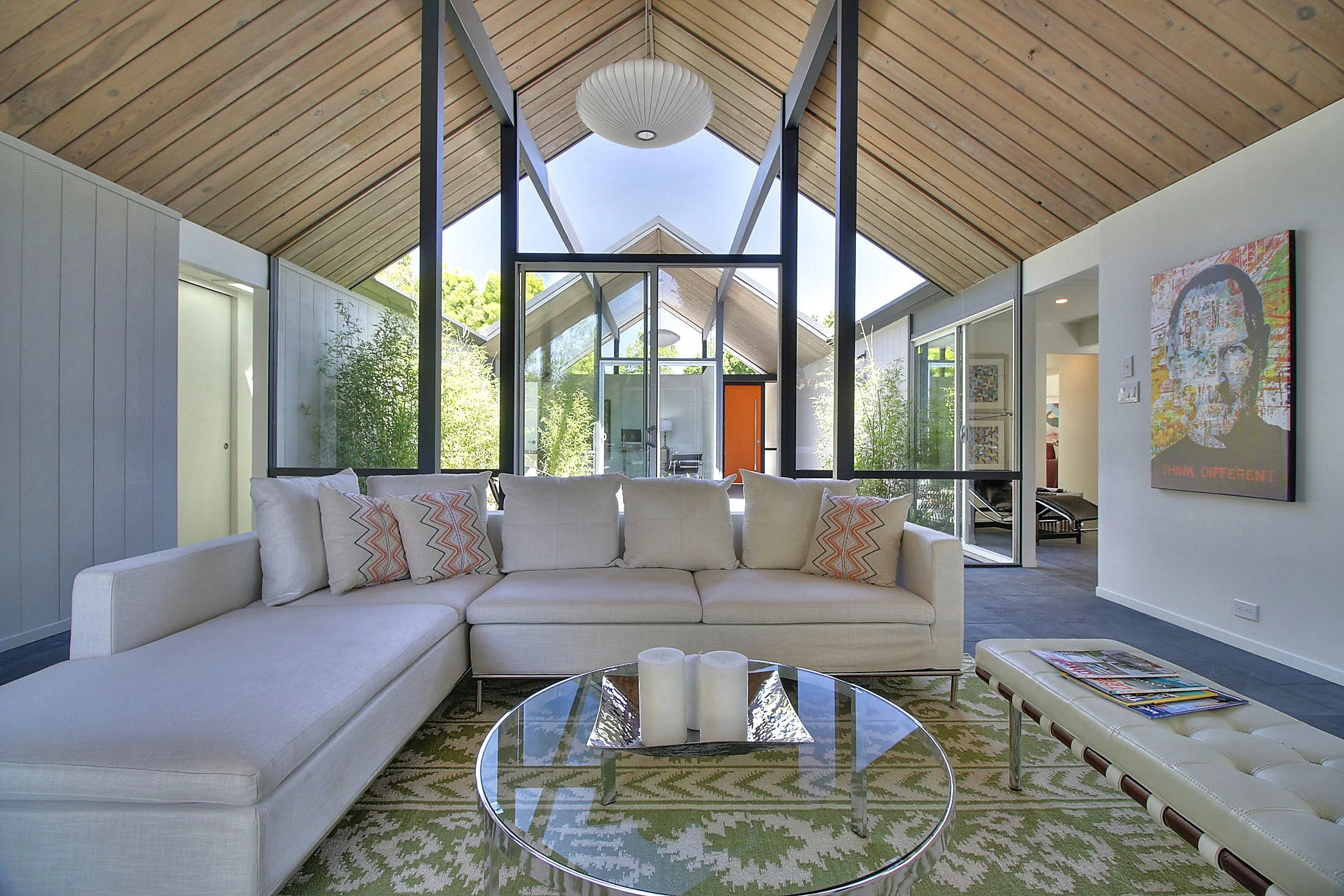
Efficiency, comfort, acoustics — and why concrete slabs outperform forced air in high-design spaces.
Radiant floor heating, once a hallmark of mid-century Eichler homes, is experiencing a major comeback as a coveted luxury feature in modern architecture. Homeowners and builders are rediscovering the appeal of this “old-school” system for its superior comfort, energy performance, and seamless design integration. In fact, industry data shows that radiant floor installations have surged by 37% in new construction over the past five years, and 28% of new luxury homes now incorporate some form of radiant heating – a remarkable adoption for a technology born in the 1950s. Those who have lived with radiant heat often become its biggest advocates: a 2023 survey found 72% of homeowners who experienced radiant floor heating prefer it over conventional forced air. What began as a mid-century modern innovation has evolved into a 21st-century luxury must-have, marrying the timeless pleasure of warm floors with modern efficiency and sustainability.
A bit of history helps explain the current renaissance. The idea of warming a building from the floor up isn’t new – the Romans heated baths with underfloor hypocausts millennia ago – but it gained modern traction in the mid-20th century. Famed architect Frank Lloyd Wright was an early proponent, embedding radiant heating in his Usonian home designs eichlerhomesforsale.com. California developer Joseph Eichler then popularized in-slab radiant heating in ~11,000 homes built between 1949 and 1966, making it a signature feature of his tract homes eichlerhomesforsale.com. Eichler’s single-story houses had slab foundations, open beam ceilings and walls of glass – elements that “did not lend themselves to traditional forced-air heating” eichlerhomesforsale.com. Instead of bulky furnaces and ducts, Eichler ran hot water through a grid of pipes embedded in the concrete slab, warming the home evenly from the ground up eichlerhomesforsale.com. This innovative system allowed uncluttered interiors and “consistent warmth without visible heating equipment,” and was originally marketed as a luxurious modern comfort upgrade in the 1950s eichlerhomesforsale.com. Early Eichler owners were thrilled to swap out noisy wall furnaces for silent, invisible radiant warmth that felt like a futuristic indulgence eichlerhomesforsale.com. Radiant heat became integral to the Eichler aesthetic and lifestyle, providing cozy heated floors on cool mornings and an architecturally clean solution that didn’t spoil the minimalist design eichlerhomesforsale.com. Now, decades later, that same hidden comfort is being embraced in high-end renovations and custom homes, proving that good ideas in home heating never go out of style.
Efficiency: Heating Smarter with Radiant Floors
One reason radiant floor heating is back in vogue is its impressive energy efficiency, especially compared to standard forced-air furnaces. Traditional HVAC systems lose a lot of heat in the process of warming a home – hot air escapes through leaky ductwork, accumulates near ceilings, or cools before it reaches occupants. Radiant systems avoid these pitfalls by delivering heat directly to the living space (via the floor and furnishings) with minimal losses. The U.S. Department of Energy estimates that a well-designed radiant floor system can be 25–30% more efficient than a typical forced-air furnace. The reasons are straightforward: there are no ducts to leak or waste heat (duct losses can account for 20–30% of a furnace’s energy use) eichlerhomesforsale.com, and radiant floors use lower-temperature water (often 85–120 °F) to achieve comfort, versus the much higher air temperatures a furnace must produce. Additionally, the heat from a slab is released gradually and evenly, so once the thermal mass of the concrete is warmed, it can hold and radiate heat for hours with the boiler off eichlerhomesforsale.com. This leads to very stable indoor temperatures and reduces on-off cycling. In short, radiant heating puts the warmth right where you want it – near the floor and the people – rather than wasting energy blowing hot air that rises to the ceiling or leaks out eichlerhomesforsale.com.
Crucially, this means occupants often feel warm at lower thermostat settings. With toasty floors warming your feet, a room at 68 °F can feel as comfortable as a forced-air heated room at 72+ °F, translating to energy savings eichlerhomesforsale.com. Studies confirm that people in radiant homes frequently set the thermostat a few degrees lower with no loss of comfort eichlerhomesforsale.com. Over an entire heating season, those degrees add up to significant savings. For a 2,500 sq ft home, one analysis found radiant heating could save $300–$500 annually on energy bills compared to a conventional furnace due to these efficiencies. Importantly, modern radiant systems can leverage today’s green technologies. They pair readily with high-efficiency boilers or even heat-pump water heaters that use electricity to extract ambient heat. Hydronic radiant floors only need water around ~100 °F, which is an ideal operating range for heat pumps, enabling a fully electric, low-carbon heating solution with minimal efficiency loss eichlerhomesforsale.com. This makes radiant floors attractive not just for comfort, but also for eco-conscious homeowners aiming to reduce fossil fuel use. In fact, radiant heating is becoming common in net-zero and passive house projects, where its even heat distribution and synergy with solar/geothermal systems help achieve stringent energy targets.
It’s worth noting that the original Eichler radiant systems lacked any insulation beneath the slab – a byproduct of 1950s construction norms. Consequently, some heat was inevitably lost to the ground below, making those mid-century systems a bit less efficient than they could be eichlerhomesforsale.com. Modern installations have learned from this: builders now insulate below and around the slab or use insulating underlayments, ensuring that most of the heat goes upward into the home rather than into the soil. Even when retrofitting an older home, contractors often add a thin layer of rigid foam insulation before installing new in-floor tubing or pouring a topping slab eichlerhomesforsale.com. This upgrade dramatically reduces downward heat loss that earlier systems suffered eichlerhomesforsale.com. With proper insulation, a new radiant floor can achieve outstanding efficiency – one source notes that in practice radiant heating often uses markedly less energy than forced-air because “the heat stays where you need it…not accumulating at the ceiling” eichlerhomesforsale.com. The result is lower ongoing heating costs and a more sustainable home. In summary, radiant floor heating has shaken off its “energy hog” myth and emerged as a smart, efficient choice for luxury homes, delivering warmth with less waste.
Comfort: Even Warmth and Cozy Floors
Ask anyone who lives with radiant floor heating why they love it, and the first answer is usually comfort. The heat from a radiant slab simply feels different – and better – than that from hot air blowing out of vents. Because the entire floor surface becomes a gentle heat radiator, warmth is distributed evenly from your toes to your head, filling the room with a consistent, enveloping heat. There are no drafty cold spots or stuffy hot pockets. In fact, the temperature difference between the floor and the ceiling in a radiant-heated room can be as little as 2–3 °F, whereas a forced-air heated room might have a 10–15 °F gradient (hot near the ceiling, cool at the floor). This means your feet stay warm and your head stays comfortable, the ideal inversion of the typical furnace-heated scenario. “Unlike forced-air systems that blast hot air intermittently, radiant floor heating provides consistent, enveloping warmth that rises naturally through the room,” explains one custom-home owner, who describes the comfort as “the difference between wearing an ill-fitting coat and being wrapped in your favorite blanket.” Walking barefoot on heated floors on a chilly morning is an incomparable delight – no more tiptoeing on cold tile or putting on slippers just to get a cup of coffee. The entire room becomes a uniformly warm sanctuary, which elevates daily living to a spa-like experience.
Radiant heat also eliminates the unpleasant side effects of forced-air. There are no sudden bursts of hot air from a vent that make one corner of a room hot while leaving another cold. Instead, heat “warms objects and people directly, eliminating the drafts or hot-cold swings of forced air,” as one Eichler guide notes eichlerhomesforsale.com. The concrete slab warms up and then slowly releases heat, which keeps rooms at a stable, comfortable temperature with no cycling between too hot and too cold eichlerhomesforsale.com. Occupants often remark that a radiant-heated home has a gentle “all-over” warmth that just feels natural – closer to the feeling of sun streaming in through a window than the feeling of a furnace kicking on. There’s also a psychological comfort in knowing that every corner of the space is evenly heated. High-ceilinged room? Wall of glass? No problem – the floor will still be warm and toasty, counteracting any chill from large windows eichlerhomesforsale.com. In fact, radiant floor heating excels in architectural designs that would challenge other systems. Large expanses of glass that might make a room feel cold in winter are mitigated by a warm slab, keeping occupants comfortable at floor level despite the cool surface of the windows eichlerhomesforsale.com. Likewise, open-concept layouts benefit from the uniform blanket of heat with no cold zones in far-flung corners.
Another aspect of comfort is quietude and calm, which ties into acoustics (discussed next) but is worth mentioning here as well. The experience of radiant heat is almost zen-like – you often don’t notice any sensation of machinery running, just the comfort of a warm home. People say it’s like the difference between natural sunlight versus the harsh glare of a fluorescent lamp; radiant heat is background comfort that you feel but don’t actively hear or see. This subtle, pervasive warmth can make a home feel cozier and more relaxing. It’s no wonder that enthusiasts describe radiant warmth as “toasty” and luxurious – once you live with radiant floor heating, you never want to go back to forced air heating again eichlerhomesforsale.com. That enduring sentiment from Eichler owners of the past is being echoed by a new generation of homeowners discovering radiant heat’s pleasures today.
Acoustics and Air Quality: Silent, Clean Heating
Beyond warmth, radiant floors offer two less obvious but highly valued benefits in luxury homes: acoustical comfort and healthier air. First, acoustics: a radiant heating system is nearly silent in operation. There are no fans, no blowers, no whooshing air vents or humming furnaces cycling on and off in the background. Anyone who has lived with a standard forced-air HVAC knows the sound – the abrupt rumble and rush of air whenever the system kicks in. Radiant heating eliminates that entirely. Heat is delivered in utter silence as the hot water flows under the floor, so the loudest sound on a winter night might be the crackle of a fireplace or the faint clicks of the boiler turning on, if anything. This silent operation makes a noticeable difference in day-to-day tranquility. In an Eichler blog, it was noted that “unlike a forced-air furnace that hums or blows air, radiant heat is silent…no background noise” eichlerhomesforsale.com. Especially in open-plan, high-design homes, getting rid of mechanical noise helps preserve a peaceful ambiance. Home theaters, bedrooms, and living areas all benefit from the fact that the heating system doesn’t announce itself. And because radiant heat is gentle and continuous, there are no sudden acoustic changes – the environment remains consistently quiet. Many radiant heat owners joke that the only way they know the heat is on is that their feet are warm, since there’s no auditory cue eichlerhomesforsale.com. For those who appreciate serenity or have music listening spaces, the acoustical invisibility of radiant heating is a huge perk.
Second, indoor air quality. Radiant floor heating is often called a healthier heat because it doesn’t rely on blowing air around. A forced-air furnace necessarily circulates air – and with it dust, allergens, and dry air throughout the house. This can exacerbate allergies, spread pet dander, and dry out your sinuses during winter. Radiant systems avoid that entirely: with no ductwork and no moving air, far less dust and particulate gets stirred up. As one source highlights, “with radiant heat, there’s no forced air circulation, which means less dust, allergens, or dry air being blown around”, a welcome relief for sensitive individuals eichlerhomesforsale.com. According to medical experts, this is not a trivial advantage: some allergists even recommend radiant heating for people with severe allergies or asthma because it minimizes airborne triggers and maintains more stable humidity. A radiant system also doesn’t dramatically dry out the air or scorch it, as high-heat furnaces can, leaving a more comfortable moisture level in the home (no more waking up parched in the morning). The reduction in dust circulation can also reduce cleaning needs and help prevent buildup in vents, since there are none. Mold and mildew are less likely to be blown through the house as well. All told, many homeowners notice a fresher feeling to the indoor air and experience fewer allergy symptoms with radiant heating eichlerhomesforsale.com.
In essence, radiant heat keeps the home environment quiet and clean – two qualities that align perfectly with what luxury homeowners want today. High-design spaces often emphasize wellness and tranquility; a heating system that is both silent and doesn’t pollute the air with dust fits that ethos. This is one reason high-end wellness resorts and spas often use radiant floors – it’s part of creating a silent, rejuvenating atmosphere. In residential design, the trend toward “wellness architecture” similarly prizes good acoustics and indoor air quality, making radiant heating a natural ally. By eliminating the noisy fans and dirty ducts of forced air, radiant floors contribute to a healthier, more soothing living space – a true luxury in our noisy, allergen-prone world.
Design and Aesthetics: Heating Without Compromise
From an architectural standpoint, radiant floor heating is the ultimate invisible infrastructure, which is a major reason it’s favored in high-design homes. Because the heating elements (hot water tubes or electric coils) are buried beneath the flooring, the system requires no radiators, no floor registers, no wall vents, and no bulky duct chases. The entire heating mechanism is out of sight. This is a huge boon for architects and interior designers, who often struggle with how to integrate (or conceal) conventional HVAC components into a clean design. With radiant floors, that problem disappears – the heat is felt but not seen. “There are no fans or baseboards cluttering the design…preserving the clean aesthetic”, notes one Eichler expert, who lauds that the system allowed unbroken expanses of glass and open layouts without interruption eichlerhomesforsale.com. In Joseph Eichler’s day, this was revolutionary: it enabled his homes to have floor-to-ceiling windows and minimalist post-and-beam interiors with zero visible heating equipment eichlerhomesforsale.com. Today’s designers similarly love underfloor heating for freeing up the floor plan. It liberates wall space (no radiators to work around) and frees the ceiling (no soffits or dropped ducts needed), allowing full expression of modern design features like tall glass walls, floating staircases, or panoramic vistas. An architect specializing in passive houses observed that “floor-to-ceiling windows, which would typically create cold spots with conventional heating, become entirely viable [with radiant floors]. Open concept spaces flow more naturally without the interruption of vents or radiators.” In other words, radiant heating removes a significant constraint, letting architecture and interior décor take center stage.
The absence of visible hardware not only improves aesthetics but also adds flexibility in furnishing and space planning. Homeowners don’t have to arrange furniture to accommodate heater vents or baseboards. You can place a rug or a sofa anywhere without worrying about blocking a heat source – the warmth comes evenly from the floor itself. This maximizes usable space and creative layouts, which is particularly valuable in open-plan luxury homes where people want seamless flow. Additionally, eliminating ductwork and mechanical closets can actually reclaim square footage. In new construction, designers note that a radiant hydronic system typically requires only a small closet or corner for the boiler and manifolds, whereas a traditional furnace plus ducts could consume tens of square feet for equipment and utility chases. One analysis pointed out that in a ~2,500 sq ft home, switching to compact radiant heating could save the equivalent of an entire small room’s worth of space that would otherwise be dedicated to HVAC hardware. In high-end real estate, every square foot is precious, so this space-saving aspect is another feather in radiant heat’s cap.
Perhaps most importantly, radiant floor heating aligns with the minimalist, “nothing extra” philosophy of contemporary luxury design. Upscale homes today often feature clean lines, uncluttered surfaces, and an emphasis on materials like concrete, wood, and glass. Radiant heating works with these elements by hiding within them. A polished concrete floor or large-format tile not only serves as a beautiful design statement, but doubles as the heating source – form and function in one. There are no intrusive grilles or mechanical appendages to disrupt the visual harmony. As a result, many architects consider radiant floors the “holy grail” for heating modern spaces discreetly. It’s telling that underfloor heating is becoming common in galleries, museums, and other design-centric spaces where aesthetics are paramount. Luxury home builders likewise report that clients choose radiant systems to achieve that perfect blend of comfort and design purity, even if it costs more up front. In summary, radiant heating lets you heat your home without compromising your design vision. Instead of working around the HVAC, your HVAC works invisibly in the background, allowing the focus to remain on architecture and interior design. For anyone creating a high-design space – be it a mid-century modern revival or an ultramodern new build – that advantage alone can make radiant floors a must-have feature.
The Radiant Heat Renaissance in Modern Luxury Homes
All of these benefits – efficiency, comfort, silence, cleanliness, and design freedom – have converged to spark what we can rightly call a Radiant Heat Renaissance. After decades in which forced-air systems dominated American homes (largely because they were cheaper to install and could do both heating and cooling), radiant floor heating is now surging in popularity at the higher end of the market. Builders of custom luxury homes report that heated floors are frequently on clients’ wish lists, particularly for master bathrooms, great rooms, and open-plan living areas. What was once seen as an eccentric throwback (or limited to European villas and ski chalets) is now advertised as a modern comfort upgrade. Real estate listings for upscale properties often highlight “radiant heated floors” as a premium amenity, knowing it will catch buyers’ attention eichlerhomesforsale.com. In the Silicon Valley Eichler market, for example, agents emphasize working radiant systems as “a premium feature” that adds cachet and value to a home eichlerhomesforsale.com. More broadly, home appraisers note that underfloor heating can slightly boost resale value because buyers perceive it as a mark of quality and luxury. One UK study observed that as underfloor heating gains popularity, homebuyers increasingly view it as a valuable upgrade that can command a higher resale price in modern homes. Simply put, radiant heat has gone from being a hidden perk to a selling point.
Several trends have fueled this revival. One is the push for energy efficiency and green building – radiant systems work well with solar panels, geothermal heat pumps, and super-insulated homes aiming for net-zero performance. Another is the wellness and comfort movement in luxury housing – affluent consumers are investing in features that improve their daily life (think heated bathroom floors, sauna rooms, circadian lighting). Radiant floor heating perfectly fits this narrative of high-tech comfort: it’s a luxury in how it feels, yet it also aligns with wellness (quiet, healthy) and sustainability goals. There’s also the influence of European design, where hydronic radiant heat has long been common. Many high-end American projects now borrow European approaches to heating and cooling for efficiency and aesthetic reasons. And perhaps most pragmatically, the proliferation of new materials and technologies has made radiant heat more reliable and easier to install than it was in the past. The advent of PEX tubing (cross-linked polyethylene) was a game-changer – this durable, flexible tubing doesn’t corrode like the copper or steel pipes of old, virtually eliminating the leak issues that plagued early systems eichlerhomesforsale.com. Modern boilers are compact and smart. Zoning controls allow different areas of the home to be independently regulated, overcoming the single-zone limitations of 1950s Eichlers eichlerhomesforsale.com. You can even control radiant heat with your smartphone or integrate it into whole-home automation. All these improvements mean that today’s radiant systems are not only more luxurious, but also more user-friendly and dependable than their mid-century predecessors.
The numbers reflect this momentum. As mentioned, uptake of radiant floor heating in new construction is growing rapidly, with high customer satisfaction. Yet there remains plenty of room for growth – as of 2025, only about 11% of new homes in North America include radiant floor heating. This gap between the 72% of people who prefer it and the ~11% who have it suggests that awareness is still catching up to the benefits. As more homeowners experience radiant warmth (often in upscale condos, hotels, or renovated homes), demand is likely to continue rising. We’re already seeing radiant heating extend beyond just floors as well: some innovative designs use radiant wall and ceiling panels to deliver the same principle of gentle, even heat in spaces where floor installation is challenging. Radiant cooling (circulating chilled water in floors or ceilings) is also emerging in cutting-edge sustainable buildings, though it’s technically more complex (due to condensation concerns) and not yet mainstream. Nonetheless, the idea of radiative climate control is firmly back in the conversation for high-performance buildings. Publications are touting underfloor heating as “the future of home comfort”, citing its efficiency and aesthetic advantages. It’s clear that radiant heat’s reputation has transformed from old-fashioned to state-of-the-art. Indeed, one high-tech panel system advertises itself as “the Rolls-Royce of radiant solutions, often used in luxury homes” eichlerhomesforsale.com – an indicator that in the luxury market, having radiant floor heating is now a mark of distinction and quality.
The Radiant Retrofit Playbook (By the Boyenga Team)
What can you do if you love the idea of radiant heat, but your existing home (or aging Eichler) doesn’t have a functioning system? The Boyenga Team (Silicon Valley Eichler specialists) has developed a “Radiant Retrofit Playbook” – essentially a set of strategies for homeowners to either restore an original radiant system or upgrade to a modern heating solution that preserves the comfort and design benefits of radiant heat. Every home is different, but here are the key options and approaches:
Keep and Repair the Original Radiant (if possible) – If you’re fortunate enough to have an existing in-slab radiant system (as in many Eichlers) that hasn’t failed completely, the first strategy is to maintain and repair it as needed rather than scrapping it. Many Eichler radiant setups from the 1960s used copper pipes, which can often be repaired if they develop small pinhole leaks, giving the system a new lease on life eichlerhomesforsale.com. Common practice is to hire an Eichler-experienced radiant specialist to perform a pressure test, locate any leaks (often via thermal imaging), and jackhammer only the small sections of slab needed to fix the pipes eichlerhomesforsale.com. Repair costs vary, but typically a few thousand dollars can patch multiple leaks and restore heat for years eichlerhomesforsale.com. This is by far the cheapest route in the short term, and it maintains the original invisible heating system – a plus for mid-century purists. However, this only works if the overall pipe network is in decent shape (especially true for later copper systems). If your home’s radiant uses old galvanized steel pipes that are corroding, repairs are usually not feasible – those are “on borrowed time” and likely need full replacement when leaks start eichlerhomesforsale.com. Still, many Eichler owners have found that investing $5–$10k in periodic repairs over a decade or two is worth it, delaying a larger retrofit while enjoying the continued comfort of radiant heat eichlerhomesforsale.com. As long as the system can be kept stable, it’s a selling point for your home. The takeaway: if the radiant system isn’t beyond hope, fix what’s broken and keep on glowing.
New In-Floor PEX Tubing (Hydronic Radiant Replacement) – If an existing radiant system is unsalvageable or nonexistent, one gold-standard solution is to install a brand new hydronic radiant floor. Thanks to modern materials like PEX, this is more doable than one might think. One retrofit method is to cut narrow channels in the existing concrete slab and lay PEX tubing into those channels, then patch over them with concrete eichlerhomesforsale.com. This effectively snakes new heating lines through the slab in place of the old ones. An alternative approach, often used during major remodels, is to pour a thin new concrete layer (“overpour”) on top of the old slab with PEX coils embedded in it eichlerhomesforsale.com. In both cases, the old pipes are abandoned in place (no need for destructive removal) and the new PEX tubing is connected to a modern boiler or heat source eichlerhomesforsale.com. The result is brand-new radiant floor heating throughout the home, maintaining the beloved silent, even warmth and invisible integration of the original design. The downside is cost and construction work: cutting into the slab or adding an overpour means you’ll also be replacing flooring and possibly reworking some baseboards or doors (the overpour can raise floor height by ~1 inch) eichlerhomesforsale.com. Costs vary widely with home size and scope, but a ballpark is $15,000–$30,000 for an in-slab PEX retrofit in an average Eichler-sized home eichlerhomesforsale.com. Larger or more complex projects can be more. (One Eichler source notes a range of ~$20k on the low end to $50k+ if extensive flooring work is involved eichlerhomesforsale.com.) If opting for an overpour method, it’s highly recommended to add a layer of rigid insulation beneath the new slab to improve efficiency – something Eichler’s originals lacked eichlerhomesforsale.com. Though pricey, a full radiant replacement gives you a state-of-the-art system good for another 50+ years eichlerhomesforsale.com. Many owners feel it’s worth the investment, especially if it’s done in conjunction with a renovation. You get to enjoy unparalleled comfort and preserve the character of the home. In real estate terms, a new high-end radiant system can be a strong selling point (even if it may not recoup every dollar, it definitely impresses buyers who value comfort and design) eichlerhomesforsale.com.
Radiant Panel Systems (Warmboard, etc.) – A high-tech variation on installing new PEX is to use prefabricated radiant panels that sit on top of the slab. Warmboard is a leading example: it’s an engineered plywood subfloor panel with pre-cut channels for PEX tubing and an aluminum coating for superior heat distribution eichlerhomesforsale.com. In a retrofit, Warmboard’s thinner product (about 13/16″ thick) can be laid over the existing slab across the house, with tubing snapped into its grooves, and then your finished flooring (wood, tile, etc.) goes on top eichlerhomesforsale.com. These panels put the radiant tubing very close to the floor surface, which dramatically boosts heating response time and efficiency – the floor heats up faster and can run at lower water temperatures eichlerhomesforsale.com. The performance is often described as “superb”, and it even makes heat-pump driven radiant more feasible (because lower temp water can still heat effectively) eichlerhomesforsale.com. Warmboard and similar systems (e.g. Uponor QuickTrak or Roth panels) are frequently called the “Rolls-Royce” of radiant heat for their cutting-edge design, and indeed they often see use in luxury homes where top performance is expected eichlerhomesforsale.com. The trade-off, unsurprisingly, is cost. Warmboard panels plus installation run roughly $15–$30 per square foot eichlerhomesforsale.com. For an entire home, that can tally up to $30k–$75k (plus new flooring costs) depending on sizeeichlerhomesforsale.com. It’s typically done as part of a high-end renovation. The benefit is you get to “have your radiant cake and eat it too,” so to speak – unbeatable comfort and modern efficiency. Warmboard has even directly marketed their Eichler retrofit solution as a way to “keep radiant heat alive in your Eichler” without the downsides of the old systeme ichlerhomesforsale.com. For those with the budget, radiant panels are the premium path to a trouble-free, high-performance radiant floor that should last generations.
Hydronic Baseboard Radiators – Some homeowners decide that ripping up floors or adding slabs isn’t in the cards, yet they still want the quiet, steady heat of water-based (hydronic) heating. A practical compromise is to install low-profile hot water baseboard units around the perimeter of rooms, fed by a boiler (you can often reuse an existing boiler if it’s in good shape) eichlerhomesforsale.com. These baseboard radiators are typically sleek metal enclosures a few inches tall that run along the base of the wall. Inside, hot water flows through finned copper pipes, radiating heat into the room. While baseboards heat primarily via convection (warm air rising) rather than true radiant floor heating, they share many of the same advantages: no noisy fans, no dusty ducts, and gentle, even heat (albeit emanating from the room’s edges) eichlerhomesforsale.com. In Eichler homes, 3/4″ plumbing for baseboards can be snaked through crawl spaces at the slab perimeter or hidden in soffits, making it much easier to retrofit than full ducts would be eichlerhomesforsale.com. The look is also relatively inconspicuous – modern baseboard units are slim and can be painted to blend in, so they “don’t scream for attention” in the decor eichlerhomesforsale.com. Of course, you do lose the invisible nature of in-floor heat, and the warmth may not be as uniform (since heat comes from the walls and rises). Still, many find it a comfortable system that “is a quieter and cleaner alternative to forced air – no fans, no blowing dust” eichlerhomesforsale.com. Cost-wise, hydronic baseboard retrofits tend to be mid-range: roughly $13,500–$20,000 for a whole Eichler-sized house, including a new high-efficiency boiler and multiple zones eichlerhomesforsale.com. This is less expensive than installing full radiant floors but more than a typical forced-air furnace. It won’t provide cooling, but some homeowners pair it with a separate ductless AC (next item) for summer eichlerhomesforsale.com. The baseboard approach is often seen as “value-neutral to slightly positive” for resale in Eichlers – it removes the worry of a failing slab system and indicates the heating was upgraded professionally, even if it’s not as showy as in-floor heat eichlerhomesforsale.com. For many, it’s a sensible way to get near-radiant comfort without the complexity of concrete work.
Small-Duct High-Velocity Forced Air – What if you want both heating and cooling, and you’re willing to switch to an air-based system but still want to minimize the visual impact? Enter SDHV systems (brands like Unico or SpacePak), which use very slender flexible ducts (only ~2–4 inches diameter) to deliver conditioned air with minimal remodeling. These systems have become popular in design-sensitive retrofits because the mini-ducts can be threaded through existing cavities – above ceilings, in soffits, or at the roofline – far more easily than conventional bulky ductwork eichlerhomesforsale.com. The air handler (a heat pump or furnace + AC coil) pushes air at higher velocity, which mixes the room air thoroughly and can reduce temperature stratification. For Eichler homes and other modernist designs, SDHV offers a way to add discreet ceiling outlets and get central heating and cooling in one package eichlerhomesforsale.com. The outlets are typically small round grilles that are much less noticeable than standard vents eichlerhomesforsale.com. With good installation, these systems can be “whisper-quiet” – the ducts are insulated and the high-speed airflow produces just a gentle background whoosh eichlerhomesforsale.com. There will still be some noise and a slight breeze at the vents (it’s not silent like radiant), but compared to old-school HVAC it’s quite unobtrusive eichlerhomesforsale.com. The major draw is that you get air conditioning for hot weather while still preserving most of the home’s original look and feel. Cost for an SDHV retrofit is on par with a typical HVAC install, sometimes a bit higher due to specialized equipment and the challenges of fitting it into a mid-century structure. Expect roughly $15k–$25k for a combined heat/cool system, depending on the size of the home and number of outlets eichlerhomesforsale.com. Many Eichler owners have gone this route as summers get warmer, finding it to be a good balance – you abandon the old radiant heat in favor of a modern system, but you “don’t compromise the design or efficiency” of the home with ugly soffits or large vents eichlerhomesforsale.com. For those who prioritize having A/C yet still want a low-profile installation, SDHV forced air is a leading option in the playbook.
Ductless Mini-Split Heat Pumps – The final option in the retrofit arsenal is one that has exploded in popularity in recent years: ductless mini-splits. These systems use an outdoor heat pump compressor connected to one or more indoor air-handler units, completely eliminating the need for ducts. Each indoor unit is a slim, wall-mounted (or sometimes ceiling-recessed) unit that both heats and cools its zone. Mini-splits are beloved for their high efficiency and flexibility – you can install just one to heat/cool a main area, or several to cover an entire house with independent zone control eichlerhomesforsale.com. In an Eichler or any existing home, the installation is relatively straightforward: a small refrigerant line and power cable run through the wall to each indoor unit, and no major construction is needed eichlerhomesforsale.com. They offer the major advantage of providing summer cooling along with heat in one system. Modern models can operate efficiently in cold weather, delivering warm air even when outdoor temps dip (down to a limit), and they dehumidify and cool in summer. Pros: Mini-splits are among the most energy-efficient HVAC options (especially the latest inverter-driven heat pumps), and they allow fine-tuned zoning – you can set each room’s temperature separately or even turn off units in unused rooms to save energy eichlerhomesforsale.com. They also avoid any floor or ceiling disruption; the only real change inside is the presence of the wall unit. Cons: Those wall units are a bit of an aesthetic trade-off in a design-driven home. While they are sleek and often white or silver, some purists feel they detract from the clean lines of a mid-century interior (they are certainly more visible than a completely hidden radiant floor) eichlerhomesforsale.com. There is also a small amount of fan noise from each unit – generally quiet, but not dead silent like in-floor radiant eichlerhomesforsale.com. Cost can range widely: a single-zone mini-split might be $3–5k, whereas a whole-house multi-split with 3–4 zones might run $10,000–$20,000 installed eichlerhomesforsale.com. This tends to undercut the cost of full radiant replacements while delivering four-season climate control. Notably, mini-splits enable an all-electric home (no gas needed), aligning with many jurisdictions’ push for electrification and offering easy integration with solar panels eichlerhomesforsale.com. Some Eichler owners choose mini-splits as a supplement – for example, keeping their original radiant for winter and adding a couple mini-splits for summer cooling and backup heat eichlerhomesforsale.com. Others, when faced with a failed radiant system, use mini-splits as the full replacement to get reliable heat and AC without touching the slab. This modular, non-invasive approach has a lot of appeal: it’s reversible (you’re not permanently altering the house), and you can tackle it zone by zone if needed. For many homeowners, ductless heat pumps represent the best of both worlds – highly efficient comfort and modern convenience, with only a minor hit to aesthetics.
As the above “playbook” illustrates, there is a solution for virtually every scenario – whether one’s goal is to preserve the classic radiant experience or simply ensure a comfortable, climate-controlled home moving forward. The Boyenga Team often advises clients to weigh factors like upfront cost, desired comfort level, need for cooling, and respect for original architecture when choosing a retrofit patheichlerhomesforsale.com. Hydronic radiant solutions (new PEX or Warmboard or even baseboards) will preserve the unparalleled quiet comfort of radiant heat, but they come with higher costs and remain heat-only systems eichlerhomesforsale.com. Forced-air or heat pump solutions (small-duct or mini-split) typically cost less and include cooling, but introduce some fan noise and airflow where there was none before eichlerhomesforsale.com. It often boils down to what the homeowner values most. In some cases, a hybrid approach ends up the winner: for instance, repairing or keeping an existing radiant floor for primary heat, but adding a ductless mini-split or two for summer cooling and backup heat eichlerhomesforsale.com. This can truly be the best of both worlds if one doesn’t mind maintaining dual systems. The good news is that today’s homeowners have far more tools at their disposal to enjoy year-round comfort without sacrificing the design and comfort principles that made radiant heat so appealing in the first place.
Comfort never goes out of style
Once considered a quaint relic of 1950s experimentation, radiant floor heating has firmly reestablished itself as a pinnacle of home heating luxury. The “radiant heat renaissance” is in full swing, driven by the simple fact that comfort never goes out of style. In an era when our homes are our sanctuaries, the allure of silently emanating warmth underfoot – with no cold spots, no noise, and no intrusive hardware – is hard to overstate. Add to that the efficiency gains and design freedom, and it’s clear why architects and homeowners alike are singing the praises of radiant floors. High-design, high-performance homes are proving that even the most “old-school” feature can become cutting-edge when applied thoughtfully: a concrete slab with embedded tubing can outshine forced air in delivering a cozy, healthy, and visually immaculate environment. As one mid-century Eichler owner famously put it, “once you live with radiant floor heating, you never want to go back to forced air again.”eichlerhomesforsale.com Today’s luxury home market is rediscovering that truth. In new builds and retrofits from California to New York, from minimalist modern estates to historic renovations, radiant heat is glowing again – an indispensable amenity for those who demand the very best in comfort and style. The floors of these homes aren’t just surfaces to walk on; they are gentle radiators, quietly working behind the scenes to nurture the living space. And as we move forward, one thing is certain: the future of upscale home heating may very well be beneath our feet.