
Smart Tech, Timeless Design: Integrating Smart Home Features into Mid-Century Modern Homes
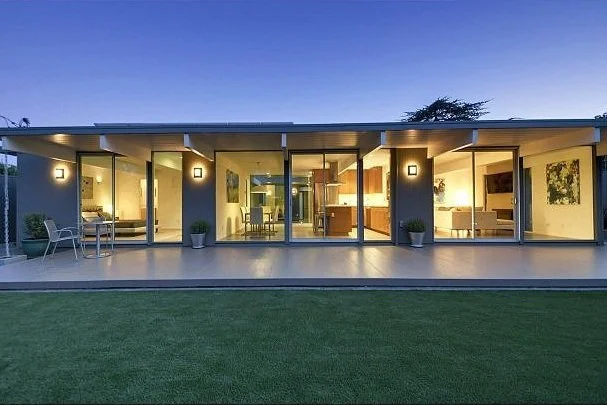
Mid-century modern homes (like the classic Silicon Valley Eichler above) are beloved for their clean lines, open layouts, and seamless indoor-outdoor flow. Blending cutting-edge smart home technology into these design-forward homes requires a careful balance – modern conveniences should enrich daily living without disrupting iconic mid-century style eichlerhomesforsale.com. In this article, we explore how to add invisible tech – from hidden sensors to camouflaged speakers – so you can enjoy next-gen functionality while preserving the era-authentic look of your mid-century modern gem.
Minimalist & Invisible Tech Solutions
Mid-century enthusiasts and property nerds know that the best tech is the kind you don’t notice. The goal is a home where devices “blend seamlessly into the background,” enhancing life “without disrupting the aesthetics” eichlerhomesforsale.com. To achieve this, opt for minimalist and invisible solutions wherever possible:
Hidden Sensors & Discreet Devices: Choose low-profile sensors (motion, temperature, light) that can be tucked into corners or recesses. Many modern sensors are wireless, battery-powered, and tiny – sometimes as small as a coin – so they can “quietly report data...with minimal presence” eichlerhomesforsale.com. For example, stick a motion detector high on a bookshelf or use a recessed door contact that disappears when the door is closed. These invisible helpers automate your home (lights, climate, security) without adding visual clutter eichlerhomesforsale.com.
Flush-Mounted Controls: Instead of clunky wall panels, use flush-mount kits that allow touchscreens and keypads to sit level with the wall. There are mounting solutions that make tablets or smart displays nearly flush and paintable trim plates that match your walls eichlerhomesforsale.com. The result is a clean surface with controls that only draw attention when in use. For instance, a sleek multi-button keypad from Lutron or Savant can be installed in a single-gang slot, providing scene control with a mid-century-friendly minimal look eichlerhomesforsale.com. Such keypads come in high-end finishes (brass, matte white, etc.) to complement vintage decor, offering modern convenience “without being obtrusive”eichlerhomesforsale.com.
Micro-Aperture Lighting: Traditional recessed can lights (big 6-inch circles) can visually clutter a mid-century ceiling. Enter micro-aperture LEDs – tiny recessed downlights (as small as 1–2 inches in diameter) that deliver ample light with an almost invisible footprint. Luxury homes now use “downlights that are almost impossibly small and discreet” eichlerhomesforsale.com for a “quiet ceiling” effect eichlerhomesforsale.com. When off, these trimless pinholes virtually disappear, preserving your home’s clean planes. Arrange them in a thoughtful grid aligned with beams or furniture so they feel intentional and subtle eichlerhomesforsale.com. WAC Lighting and USAI make tiny LED fixtures that provide warm, dimmable light reminiscent of mid-century ambiance, without the bulk of old fixtures.
By prioritizing concealed tech and minimalist design, you ensure that smart upgrades “disappear into” the home’s design instead of competing with it eichlerhomesforsale.com. Next, let’s look at specific areas – climate, lighting, security, sound – and how to smarten them up invisibly.
Smart Climate Control Upgrades
Upgrading your climate control is one of the easiest ways to add comfort, but it must be done sensitively in a mid-century home. The thermostat is a focal point on many walls, so pick one that doesn’t scream high-tech. Fortunately, today’s top models “blend convenience and style” eichlerhomesforsale.com. The popular Nest Learning Thermostat, for example, has an iconic round shape and simple dial inspired by a 1950s Honeywell design eichlerhomesforsale.com – giving it a retro vibe in line with mid-century aesthetics. Similarly, the Ecobee SmartThermostat offers a slim, minimalist display. Both deliver advanced functions (learning your schedule, optimizing energy use) without requiring additional ugly sensors on the wall eichlerhomesforsale.com.
Integration tips: Mount the smart thermostat in the same spot as the old one (often a central interior wall) and use a trim plate that matches the wall color or material for a seamless look eichlerhomesforsale.com. Some mid-century aficionados even add a custom backplate in wood or brass behind the thermostat to echo original design elements eichlerhomesforsale.com. Once installed, rely on app and voice controls for adjustments so you rarely need to touch the device – it can fade into the background of your decor eichlerhomesforsale.com. Many smart thermostats support small remote sensors to monitor temperature in different rooms; you can hide those on shelves or side tables to avoid multiple thermostats on the wall eichlerhomesforsale.com. The result is even, comfortable climate control that stays invisible.
Don’t forget about the HVAC hardware itself. Mid-century homes often have visible wall vents, radiators, or window AC units that disrupt the clean look. When upgrading HVAC, opt for flush or linear diffusers instead of standard grilles – slender ceiling slots or trim-mounted vents can deliver air without drawing attention, and can be painted to blend in eichlerhomesforsale.com. If you’re adding AC, consider ducted mini-split systems with hidden vents, or low-profile cassettes recessed into ceilings. The key is to “keep climate control backgrounded”eichlerhomesforsale.com – no bulky boxes or eye-sore vents. With a smart, efficient system quietly operating behind the scenes, your home stays cozy and energy-efficient while your post-and-beam architecture remains front and center.
Modern Lighting, Mid-Century Style
Lighting is pivotal in mid-century modern design – those homes famously feature dramatic pendants and warm glows. The challenge is adding smart lighting without altering the beloved fixtures or cluttering the walls with gadgets. The solution is two-fold: upgrade the controls, not the fixtures, and add new light sources only if they can hide in plain sight.
Smart Switches & Dimmers: Rather than replacing that starburst sputnik chandelier, install smart controls to make it “smart.” For example, a Lutron Caséta or Legrand smart dimmer can fit in your existing switch spot, preserving the vintage switch plate look while enabling app and voice control of the fixture eichlerhomesforsale.com. Many smart switches have simple toggle or button designs that don’t look out of place (some even offer toggle-style smart switches ideal for mid-century homes). By using a smart wall switch, you avoid hanging any new devices on the fixture itself – the classic pendant or globe lamp remains the star of the room, just now with remote control and scheduling. If your home’s wiring lacks a neutral wire (common in mid-century houses), choose no-neutral-required smart switches or wireless battery-powered switches that mimic the look of a traditional one eichlerhomesforsale.com. This avoids the need to rewire or cut into walls eichlerhomesforsale.com. The end result is modern lighting control with zero visible tech change – you still flip a switch on the wall, but behind it a smart system is at work.
Retrofitting Vintage Fixtures: If you have original 1960s fixtures, you can also retrofit them with smart bulbs. Put a warm-dimming LED bulb in that George Nelson bubble lamp to mimic the amber glow of yesteryear, while saving energy. Smart bulbs (like Philips Hue) let you adjust brightness and even color temperature to set the perfect mood for a cocktail hour or movie night, all without altering the fixture’s appearance eichlerhomesforsale.com. Pro tip: Keep color tones warm (2700K–3000K) to maintain that mid-century cozy feel, even as you enjoy the flexibility of tunable LEDs eichlerhomesforsale.com.
Tiny 2-inch LED downlights (visible as faint pinpoints above) provide ample light with minimal visual impact. These micro-aperture fixtures keep the ceiling “quiet,” letting iconic beams and panels take center stage eichlerhomesforsale.com.
Micro-Aperture Downlights: If you need additional lighting for task or accent, use today’s ultra-small recessed lights. As mentioned earlier, these micro downlights can be as small as a 1–2 inch aperture, creating pools of light without big trim rings. They “recede into the ceiling rather than shouting out their presence” eichlerhomesforsale.com – when off, you’ll hardly notice them. Strategically place a few to highlight architectural features (e.g. a stone fireplace or an art piece) or to gently wash a wall with light. Align them symmetrically or with structural lines for a deliberate, architectural lighting scheme that feels like part of the original design. Many high-end LEDs also offer warm-dim capability, meaning as you dim the lights, the color warms up like an old incandescent bulb – preserving that mid-century twilight ambiance eichlerhomesforsale.com. With these tiny fixtures and smart control, you get flexible lighting scenes at your command, all without clunky track lights or big ceiling cans.
Ambient & Accent Lighting: Mid-century homes often used indirect lighting (cove lights, under-shelf lights) to create atmosphere. You can enhance this with modern LED strips cleverly hidden atop cabinets or along ceiling beams. For example, a slim LED strip on top of an exposed beam can uplight your ceiling with a soft glow, completely invisible to the eye eichlerhomesforsale.com. Under-cabinet or floor-level lighting can make cabinetry look like it’s floating. Because LED strips run cool and small, they can be installed in places traditional bulbs couldn’t. Use smart LED strips (like Hue or LIFX) for easy app control; keep them on warm white or gentle hues to complement mid-century palettes eichlerhomesforsale.com. The effect is a cozy, architecturally integrated glow that accentuates materials (brick, wood, stone) without any exposed bulbs eichlerhomesforsale.com.
Unified Lighting Control: To avoid a bank of multiple light switches (which can mess up a clean wall), integrate your lights into scenes. One sleek keypad can replace several toggles, each button programmed for an “Evening” or “Entertain” scene, etc. Smart lighting hubs or apps let you control groups of lights together, so you don’t need a row of dimmers. In fact, “smart lighting control offers a solution to having too many light switches littering the walls” eichlerhomesforsale.com. For instance, Lutron’s RA2 or Grafik Eye systems can consolidate circuits into one elegant panel. This means your stunning mahogany paneled wall won’t be Swiss-cheesed with switches – just one subtly glowing panel or even no panel at all if you use voice control or motion triggers. The lighting adapts to your lifestyle (dimming automatically at night, brightening in the morning) while the hardware stays out of sight eichlerhomesforsale.com.
Discreet Security and Safety Systems
Home security is essential, but nobody wants their stylish mid-century abode looking like a tech bunker with cameras and gadgets everywhere. The good news: you can significantly upgrade security without turning your home into a surveillance showroom eichlerhomesforsale.com. Here’s how to keep things safe yet subtle:
Smart Locks with Vintage Looks: Traditional mid-century doors often have distinctive knobs and escutcheons. Replacing them with an overtly modern electronic lock can ruin the entry’s character. Instead, choose smart locks designed to be invisible or low-profile. The Level Lock is a perfect example: it fits entirely inside the door borehole, so from the outside your original door hardware remains unchanged eichlerhomesforsale.com. You get keyless entry via your phone or a hidden touch sensor, but the mid-century doorknob and keyhole can stay for appearance (and as a backup). Other brands like Yale and Schlage offer smart deadbolts in mid-century-friendly styles and finishes (satin nickel, brass, matte black) that maintain a traditional look eichlerhomesforsale.com. Many let you keep the exterior thumb-turn, with the keypad on the interior side or integrated discreetly. The benefit is you gain modern convenience (no fumbling for keys, remote lock monitoring) “without being obtrusive” to your entry’s appearance eichlerhomesforsale.com.
Invisible Alarms & Sensors: Those old-school magnetic alarm contacts and motion sensors can be eyesores. Modern security systems offer recessed door/window sensors that install within the frame, completely hidden when the door or window is shut eichlerhomesforsale.com. If you prefer surface-mounted sensors, today’s are much smaller and sleeker (often just a slim white strip) – mount them on the upper frame or hinge side so they’re out of sight. Motion detectors can be tiny and wireless; stick them up high in a corner or on a beam. Many are paintable to blend in (just don’t cover the lens). The idea is to get full coverage without ugly white boxes in every room. Even alarm keypads can be minimized – you might opt for controlling the system via your phone or a voice command, eliminating the need for a keypad by the door. If you do need a siren or hub, hide it in a closet or cabinet. A well-designed system provides modern safety “while avoiding visual clutter” eichlerhomesforsale.com inside your home.
Stealthy Cameras: Security cameras present a design challenge: they’re often obvious. However, there are clever ways to camouflage cameras so you can keep an eye on things discreetly. For outdoor surveillance, consider small dome cameras in neutral colors and tuck them under the eaves or roof overhangs (paint them to match the trim). Indoors, you can literally hide cameras inside other objects – for example, designers sometimes “conceal cameras within smoke detectors” or install them behind existing grilles eichlerhomesforsale.com. There are off-the-shelf camera models that look like a smoke alarm or motion sensor, giving you an extra set of eyes that no one notices. Video doorbells can be chosen in subtler designs too: a slim doorbell like Nest Hello or Ring Pro in black or silver can resemble a regular doorbell, especially if you recess it slightly or put it on a side wall. Mount it cleanly and it will provide security footage without drawing the eye. The mantra here is: cameras should protect without becoming a prominent design feature.
Smart Lighting for Security: Tying your lighting into the security system can also help without extra devices. For instance, if motion is detected outside, you can have existing porch lights come on (using smart bulbs or switches) instead of installing a separate floodlight camera with a glaring housing. This keeps the exterior aesthetic intact – you’re using that cool vintage sconce by the door as your “security light,” just with a smart bulb inside.
Preserve Curb Appeal: The front entrance of a mid-century modern is often a defining feature – think breeze block screens, big glass panels, artistic doors. So any tech added here must be extra sensitive to aesthetics. Opt for doorbell cameras that blend in, smart locks that hide, and if you need a keypad for an alarm, maybe place it in a side entry or out of direct sight. A concealed approach ensures your curb appeal remains all about architecture, not devices.
Finally, if a larger security system install is planned, do it thoughtfully: run wires in hidden conduits during any renovation (soffits or crawlspaces can hide power cables), and consider consulting a professional integrator who can pinpoint camera and sensor locations that maximize coverage yet remain discreet eichlerhomesforsale.com. With a bit of planning, you’ll have a home that’s both secure and serene – all the peace of mind, none of the gadget clutter.
Invisible Sound Systems & Whole-Home Audio
Mid-century modern living and music go hand-in-hand – from jazz on the hi-fi to today’s streaming playlists. The good news for audiophiles is you can fill your home with rich sound without seeing a single speaker. In fact, the latest architectural speakers are designed to be heard and not seen, which is perfect for design-savvy homeowners.
In-Wall & In-Ceiling Speakers: Instead of freestanding speakers or bulky cabinets, use in-ceiling and in-wall speakers that mount flush. Many high-quality speakers come with ultra-thin bezels and grilles that can be painted to match your walls or ceiling. For instance, round ceiling speakers can be aligned with your recessed lights so they look like just another light trim, and rectangular wall speakers can hide in plain sight (some people even cover them with acoustically transparent artwork or fabric panels). When properly installed, “built-in speakers blend into the ceiling or walls” and deliver room-filling sound “without compromising the visual integrity of the room.” eichlerhomesforsale.com In other words, you get your favorite music in every corner, without black boxes or wires interfering with your decor.
Invisible Speakers: To go one step further, consider truly invisible speakers. Brands like Sonance (with their Invisible Series), Stealth Acoustics, and Amina Sound offer speaker panels that install behind drywall or plaster and are then mudded and painted over. They literally disappear into the surface of walls or ceilings. Despite being out of sight, these speakers produce excellent full-range audio – often surprising listeners who can’t tell where the music is coming from! Amina describes their plaster-over speakers as creating “an audio oasis without compromising your aesthetic vision” eichlerhomesforsale.com. In one case, designers integrated invisible speakers plus hidden subwoofers to achieve a high-performance home theater with zero visible equipment eichlerhomesforsale.com. Imagine watching a film with cinematic sound all around you, yet the room looks like a chic 1960s lounge with nothing electronic in view. Invisible speakers are ideal for main living areas, bedrooms, or anywhere you want music without marring the sightlines. Do note, installation is more involved – you’ll need to cut into drywall and plaster over, so it’s best done during a remodel or with professional help. But the payoff is huge for purists who demand completely uncluttered interiors.
Architectural & “Hidden” Audio Tricks: If fully invisible speakers aren’t in scope, there are plenty of low-profile alternatives. Opt for in-ceiling speakers with small perforated grilles; these can be painted and often fade away unless you’re looking for them. Some high-end homes use in-wall subwoofers or hide subwoofer units inside cabinetry (with a fabric grille front) so even the bass sources are concealed. You can also get creative: did your mid-century home have an old intercom system or built-in radio? Those speaker grilles can sometimes be repurposed – install a modern small speaker behind the original grille, preserving the vintage look while updating the guts eichlerhomesforsale.com. One homeowner placed a center-channel speaker inside a period credenza, broadcasting sound through what looked like a normal cabinet front (swapping the panel for speaker cloth) eichlerhomesforsale.com. The effect is that “the sound seems to come from nowhere,” enveloping the space with music while nothing detracts from the design eichlerhomesforsale.com.
Streamlined Equipment: Modern whole-home audio also means you don’t need visible amplifiers or stereo receivers in each room. Centralize your gear in a cabinet or closet – e.g. a Sonos Amp or Savant amplifier can reside out of sight, feeding those in-wall speakers throughout the house. Control is then handled via phone or a minimalist wall panel. By keeping the racks and blinking lights tucked away, your living room can remain focused on its Eames furniture and panoramic views, not a stack of electronics eichlerhomesforsale.com.
Example – Sonance Invisible Series: High-end integrators in California note that Sonance’s plaster-over speakers can “seamlessly blend into any interior” by being finished to match surrounding surfaces. This hide-in-plain-sight approach means you enjoy premium sound quality without any visual disruption – preserving the elegance and style of your space. In Silicon Valley’s design-savvy homes, such solutions are increasingly popular, allowing music in every room for entertaining, without ever compromising the mid-century aesthetic that buyers adore.
In summary, a thoughtfully designed audio system will let you hear the soundtrack of your life in every room, while your home looks like technology never touched it. High-fidelity sound, zero visual clutter – truly the best of both worlds for the mid-century modern audiophile.
Retrofitting Considerations for Preserving Design
When integrating tech into a mid-century home, how you install is as important as what you install. These homes are historic gems, so you want to minimize any changes to original materials and character. Here are some retrofit considerations to keep the architectural integrity intact:
Avoid Cutting Original Surfaces: Whenever possible, choose solutions that don’t require drilling into that beautiful wood paneling or untouched brick. Utilize wireless gadgets (battery-powered sensors, wireless switches, etc.) that can be mounted with adhesive or hidden in existing cavities eichlerhomesforsale.com. For example, instead of cutting a new hole for a light switch, you might use a stick-on remote switch that looks like a normal toggle but actually communicates wirelessly to a smart module – zero wall modifications needed. Preserving plaster, stone, and wood surfaces means the home retains its historical fabric (and you or future owners can revert changes more easily).
Use Existing Openings and Paths: Mid-century homes often have architectural features that you can take advantage of for running wires or hiding devices. Ceiling panels, soffits, crawl spaces, or closets can serve as routes for new wiring so that nothing is visible. If you’re adding ceiling speakers or lights, try to fish wires through the same cavities used by existing electrical or HVAC – this way you don’t create new holes or conduit runs that might be seen.
Plan During Renovations: If you have the opportunity (during a renovation or before re-patching walls), install conduits (chases) for future wiring. Smart tech evolves quickly, but if you have empty conduit in the walls or attic, you can pull new cables later without opening up drywall eichlerhomesforsale.com. Forward-thinking homeowners working with architects might design hidden panels or cable channels into the remodel – for instance, behind a teak wall panel, include a shallow raceway for AV cables. This future-proofs the house for technology updates and ensures that adding something new won’t require tearing into pristine walls.
Upgrade Infrastructure Invisibly: If electricians are updating your home’s wiring or plumbing, have them add a few extras for you. For example, put neutral wires in all switch boxes (for smart switch compatibility) even if you don’t install them immediately eichlerhomesforsale.com. Add extra outlets inside cabinets or closets where you plan to hide routers, hubs, or charging stations eichlerhomesforsale.com. Think about where a Wi-Fi router or smart hub will live (maybe in a hall closet or behind a cabinet) and ensure power and perhaps Ethernet can get there – all out of sight. These little behind-the-scenes upgrades make a huge difference in keeping tech hidden and your options open.
Motorized Features in Disguise: Some retrofits, like adding motorized window shades, can actually help preserve design elements. Instead of installing drapes that cover the entire post-and-beam window, a motorized roller shade can be tucked into a ceiling pocket or valance. When raised, it’s completely concealed, and when lowered, it protects your interior without needing obtrusive hardware. By recessing modern amenities (whether it’s a projector that drops down or floor heat under original tile), you respect the original visual design even as you improve functionality.
Above all, work with contractors or integrators who appreciate mid-century design. They can suggest creative solutions like running cables under floorboards or using existent trim to hide sensors. The best installations will look as if nothing was ever added – as if the original Eichler or Alexander home magically came with Wi-Fi and automated lights built-in.
Maintaining an Era-Authentic Look (Design Tips)
Even with all this new tech, the soul of a mid-century home lies in its vintage charm. Here are some design-forward tips to ensure your smart upgrades maintain a clean, era-authentic look while delivering 21st-century perks:
Keep Materials Authentic: Whenever a device must be visible, match it to the home’s materials and finishes. For instance, if you install a wall control panel in a mahogany paneled wall, consider using a wood veneer faceplate so it blends in eichlerhomesforsale.com. If your home’s accents are brushed aluminum, look for gadgets with similar metal trims. Some smart thermostats and switches offer interchangeable covers in glass, metal, or even wood grain – use those to harmonize with your décor eichlerhomesforsale.com. Avoid cheap plastic-look devices; invest in high-quality, minimalist designs that feel like part of the original architecture, not a toy tacked on.
Color Coordinate Gadgets: Mid-century palettes tend to be neutral (white, cream, natural wood) with intentional pops of color. Stick to that scheme for any tech you introduce. Thankfully, many devices come in white or black, which can disappear on light or dark backgrounds eichlerhomesforsale.com. If a gadget stands out, see if you can get a custom color shell or skin for it. Even something as simple as spray-painting a sensor cover to match a wall (carefully, masking the lens) can make it virtually invisible eichlerhomesforsale.com. The goal is that your eye glides over the space without catching on a random white gadget on a blue wall. Blend, blend, blend – a little camouflage goes a long way to maintain that uncluttered mid-mod vibe.
Hide the Clutter: Mid-century modernism is all about uncluttered surfaces and intentional placement of objects. To honor that, keep personal tech clutter out of sight. Dedicate a drawer or cabinet for charging devices – you can install an outlet inside a drawer to charge phones and tablets, so those items aren’t always sitting out eichlerhomesforsale.com. Use furniture that incorporates wireless charging pads (or retrofit a side table with one) to eliminate cable mess. Tuck away cable modems, hubs, and media boxes in a credenza or closet. By keeping wires, chargers, and blinking LEDs hidden, you prevent the “tech takeover” look that would conflict with the home’s aesthetic eichlerhomesforsale.com. The result is a space that feels as calm and curated as it did in 1955 – even though it’s infinitely smarter under the surface.
Embrace Retro-Inspired Tech: Interestingly, some modern electronics are now designed with a mid-century flair. Consider incorporating devices that double as decor. For example, smart speakers are available in designs that resemble vintage radios or sculptural objects. Brands like Tivoli, Marshall, or Bang & Olufsen make speakers with fabric, wood, and brass elements that can enhance your style eichlerhomesforsale.com. A B&O speaker in walnut or a Marshall Stanmore in retro tweed can sit on a shelf as an art piece and play your music. Likewise, the Samsung Frame TV is a 4K television that looks like a framed artwork when off – perfect for a living room where a big black screen would ruin the vibe. If you enjoy a bit of tech on display, choose these design-forward options that “complement the room” rather than dominate it eichlerhomesforsale.com. They let you integrate innovation as part of the décor story.
Build Tech into the Architecture: The hallmark of mid-century design is integration – built-in planters, walls of glass, etc. You can use that principle with your tech. Whenever possible, recess or conceal devices within architectural elements eichlerhomesforsale.com. For instance, if you’re adding motorized shades, recess the shade rollers into the ceiling soffit so they’re invisible when retracted. If you want a drop-down projector for movie nights, hide it in a ceiling panel or a cabinet that pops up, so when not in use, it’s out of sight eichlerhomesforsale.com. Run LED strips in the reveals of wood paneling or under floating shelves to highlight design features without exposing the light source eichlerhomesforsale.com. Align any wall-mounted gadgets symmetrically with windows or architectural lines so they feel deliberately placed eichlerhomesforsale.com. By treating tech as another architectural component, you ensure it “looks like it belongs” in the original design eichlerhomesforsale.com.
Consult the Pros: If you’re undertaking significant upgrades, consider involving an Eichler-savvy architect or a smart home integrator who has experience with mid-century homes. They can devise custom solutions (like embedding a speaker in a beam or creating a hidden cabinet for equipment) that a DIY approach might miss. Professionals can also use “innovative installation techniques” to hide wires behind walls or under floors without damaging the structure eichlerhomesforsale.com. The investment in expert help can pay off in an absolutely seamless result – as if the original builders in 1958 somehow anticipated Wi-Fi, and provided for it in the blueprints! eichlerhomesforsale.com
Following these tips will ensure your home remains true to its roots: authentically mid-century in look and feel, yet humming with modern comfort. You’ll achieve that magical blend where a visitor might say, “I love how this house feels like a time capsule – I can’t believe you can control everything from your phone!”
Conclusion: Modern Innovation, Meet Mid-Century Integrity
Living in a mid-century modern home in Silicon Valley means enjoying the best of both worlds – the style of a bygone era and the innovation of today. By thoughtfully integrating smart technologies in a minimalist, design-conscious way, you can have a house that “maintains clean lines and uncluttered aesthetics” while quietly handling all the conveniences of a 21st-century lifestyle eichlerhomesforsale.com. It’s like living in the future without leaving the past behind eichlerhomesforsale.com.
Crucially, making these upgrades work for you (and for future resale value) takes expertise. That’s why so many design-savvy homeowners in Silicon Valley turn to Eric & Janelle Boyenga of the Boyenga Team – trusted luxury real estate experts who specialize in pairing architectural integrity with modern innovation. Widely recognized as the region’s top mid-century and Eichler home experts, the Boyenga Team helps clients identify smart upgrades that enhance comfort and value while preserving the home’s soul eichlerhomesforsale.com. They know which improvements will elevate your daily living and appeal to discerning buyers, and they have a network of designers and contractors adept at invisible tech integration. Whether you’re retrofitting your dream home or preparing to sell, the Boyenga Team provides the guidance to ensure every modern enhancement – from hidden audio to automated lighting – supports the home’s character and your lifestyle eichlerhomesforsale.com.
In the end, a mid-century modern smart home isn’t about filling a vintage house with gadgets. It’s about curating an experience – one where the home itself responds to your needs, quietly and elegantly. With the right approach, your mid-century home can truly be a “house of the future” as imagined in the 1950s, finally made real today – all while looking as timeless, warm, and iconic as ever. Enjoy the best of both worlds: the look of yesterday and the technology of today, in perfect harmony eichlerhomesforsale.com.
Sources: Connected references supporting the above insights have been cited throughout, including expert commentary on hidden tech design eichlerhomesforsale.com, product examples from leading brands (Nest, Lutron, Sonance, etc.) eichlerhomesforsale.com , and professional tips for retrofitting mid-century homes with smart systems eichlerhomesforsale.com. These ensure that the recommendations combine proven solutions with a deep respect for mid-century modern architecture.