
Retrofitting a Mid-Century Modern Eichler Home for Sustainability
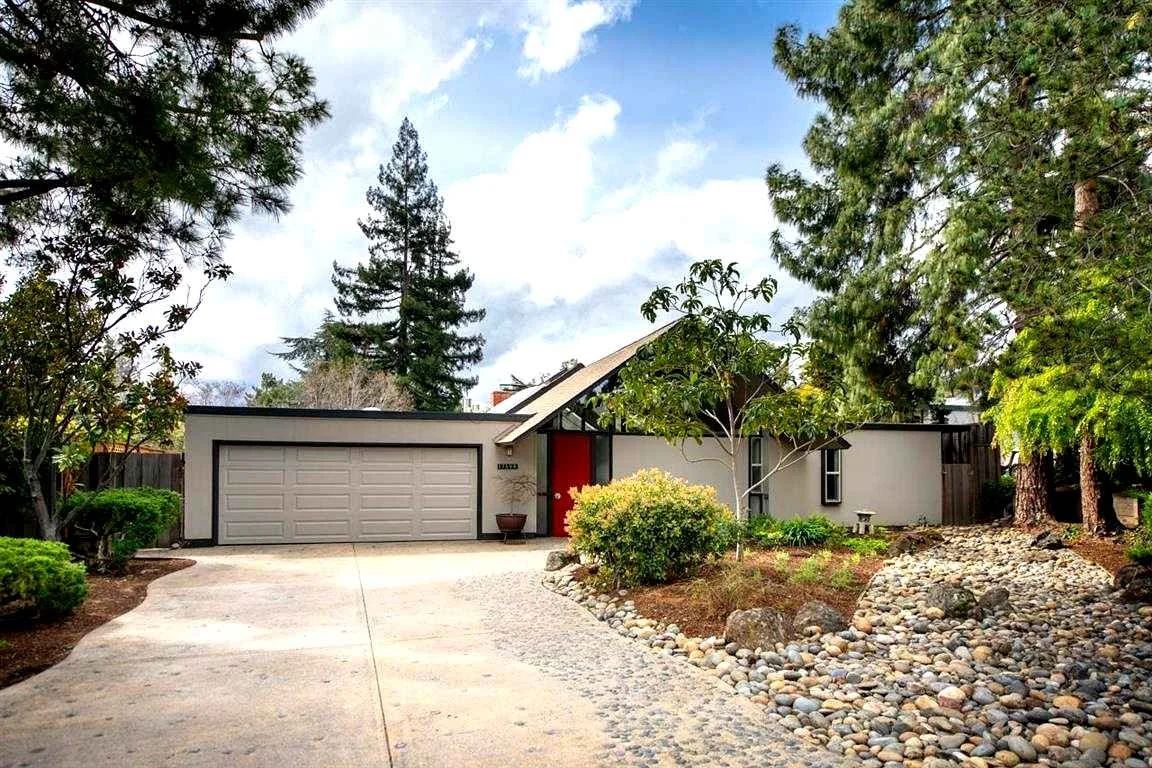
Joseph Eichler’s mid-century modern homes are icons of California architecture, famed for their open post-and-beam construction, walls of glass, and indoor-outdoor atriums. However, these beloved 1950s–60s designs were built in an era of cheap energy and minimal codes – resulting in gorgeous but inefficient homes by today’s standards. Retrofitting an Eichler for sustainability requires carefully balancing modern upgrades with preservation of its original design integrity. This guide provides a comprehensive roadmap to elevate an Eichler’s energy performance – heat pumps, high-performance glazing, solar, insulation, and smart systems – all while respecting hallmark features like open-beam ceilings, expansive glass walls, and the home’s minimalist aesthetic. Real-world California case studies will illustrate what’s possible, and we’ll introduce an “Integrity Index” to score how well different upgrade approaches maintain the Eichler’s architectural soul.
Eichler Design Overview and Retrofit Challenges
Unique Eichler Features: Eichler homes (built 1949–1974, mostly in California) epitomize mid-century modernism. They feature single-story layouts, flat or low-sloped roofs, exposed post-and-beam framing, tongue-and-groove wood ceilings, and iconic floor-to-ceiling glass walls opening to courtyards and patios. Most were built on concrete slabs with in-floor radiant heating and have little to no attic space or crawlspace. These design choices enable the famous “indoor-outdoor flow” and clean lines – but also pose challenges for energy efficiency. Original Eichlers included minimal insulation (often R-1 to R-3 in roofs/walls) and vast single-pane glass, so they “have no energy efficiency whatsoever,” as architect John Klopf puts it. The result is a home that “basically [behaves] like a shed” in terms of thermal performance, despite its charm. In fact, studies show roughly 30% of a home’s energy is lost through inefficient windows, uninsulated roofs, and outdated heating – a figure likely higher in Eichlers with their glass walls and uninsulated ceilings.
Retrofit Goal: The aim is to bring Eichlers up to and beyond modern energy codes without spoiling what makes them Eichlers. This means adding insulation, efficient HVAC, and solar power in a way that preserves the open-plan, glassy aesthetic and original materials as much as possible. As Klopf emphasizes, upgrades should “complete the performance [improvements] without losing the character and charm” that Eichler enthusiasts revere. Key design elements to protect include the open-beam ceilings (no dropped ducts!), the atrium courtyard, the expansive window walls (retain that “Eichler lightness”), and the home’s low-profile roofline visible from the street.
In the sections below, we deep dive into five major sustainability upgrades suitable for Eichler homes – heat pump HVAC, high-performance glazing, solar power, insulation systems, and smart home tech – with guidance on how to implement each in an Eichler-friendly way. Later, we discuss aesthetic preservation strategies, review real-world retrofit examples, and provide a cost–benefit analysis of upgrades. Finally, we introduce an Integrity Index scoring system to evaluate how well various retrofit approaches balance green improvements with design integrity.
HVAC and Heating Upgrades: Heat Pumps & Radiant Systems
Upgrading an Eichler’s heating and cooling is often the highest-impact efficiency improvement, but it must be done thoughtfully to avoid marring the architecture. Eichlers typically have outdated radiant floor heating (original boilers from the 1950s or 60s) and no air-conditioning. Simply adding a traditional forced-air system with ductwork is problematic – there’s no attic to run ducts, and dropping ceilings for ducts would clash with the exposed beams and 8-foot plate heights. The preferred solution is to use electric heat pump systems, which provide both heating and cooling while requiring no bulky ductwork, thus preserving the home’s clean lines and open ceilings.
Ductless Mini-Split Heat Pumps: These are an ideal fit for Eichlers. A mini-split heat pump consists of a small outdoor compressor and one or more indoor air-handling units. They transfer heat rather than generating it, offering extremely efficient heating and cooling (COP ~3). Importantly for Eichlers, mini-splits are ductless – refrigerant lines connect to compact indoor units, so you don’t need to carve new duct chases through the house. Indoor units can be wall-mounted, floor-mounted, or flush ceiling cassettes, giving flexibility to “complement your home’s aesthetics”. For example, wall-mounted heads are the simplest install and allow zoned room-by-room control, but some owners find the visible units can detract from the vintage aesthetic if not placed discreetly eichlerhomesforsale.com. Alternatives are ceiling-recessed cassettes that sit flush in the T&G ceiling panels or above a closet, which can achieve cooling invisibly – John Klopf notes that in one project, “wall-mounted minisplit heads weren’t an option” due to all the glass, so they used ceiling cassettes strategically placed. Either way, mini-split systems provide silent, draft-free comfort well-suited to Eichlers’ open layouts. They also align with California’s push for all-electric homes, eliminating gas and easily pairing with solar (run the heat pump on solar power for zero carbon heating/cooling). Typical Costs: Installing a multi-zone mini-split in an Eichler might run $10,000–$20,000 depending on number of heads and system size eichlerhomesforsale.com. (Each indoor unit is about $4k–$5k installed eichlerhomesforsale.com.) The benefit is year-round AC and heat at perhaps 50–70% lower energy usage than older systems, with many homeowners seeing substantial bill reductions.
Hydronic Radiant Heating (Air-to-Water Heat Pumps): Eichler purists love the original in-floor radiant heat for its even, silent warmth that magically comes from the floor with no visible equipment eichlerhomesforsale.com. If the existing copper radiant tubing is still intact (many are, though some have failed over time), one sustainable retrofit is to upgrade the heat source: replace the old gas boiler with a modern high-efficiency boiler or, better yet, an air-to-water heat pump that heats water for the slab. This lets you keep the architectural integrity of the heating system 100% – nothing new is visible inside – while cutting energy use and carbon. For instance, some Eichler owners in Palo Alto have swapped aging boilers for heat pump systems that deliver ~120 °F water to the slab. These systems can achieve decent efficiency and eliminate gas usage entirely. Cost-wise, a high-efficiency boiler upgrade might cost $5k–$10k eichlerhomesforsale.com, and an air-to-water heat pump will be more (in the ~$15k+ range). This is still usually less than a full radiant replacement. If an original radiant system has failed (common with rusted steel pipes in early Eichlers), installing a new radiant floor (e.g. PEX tubing in slab or overlay) is very costly ($20k–$40k+) eichlerhomesforsale.com and disruptive. Many owners in that scenario opt to abandon radiant and use mini-splits or a small duct high-velocity system for heating instead eichlerhomesforsale.com. However, those who do invest in new radiant (often for the love of that toasty floor feeling) usually pair it with modern controls and zoning to maximize efficiency. Radiant heat, when combined with good insulation and smart thermostats, can actually be quite efficient and comfortable – it has zero duct losses and keeps heat down where people are, avoiding stratification eichlerhomesforsale.com.
Small Duct or Hybrid Systems: In some extensive remodels, owners have installed concealed ducted systems – for example, a high-velocity HVAC system with 2-3″ mini-ducts that snake through soffits or crawl through closets. These can provide whole-house conditioning with minimal registers. But in an Eichler, adding any ductwork often requires building soffit drops or lowering a ceiling in places, which can “instantly ruin an Eichler” vibe if done insensitively (e.g. a furred-down channel across an open-beam ceiling) eichlerhomesforsale.com. The Palo Alto Eichler Design Guidelines strongly discourage modifying the exposed ceiling planes or adding visible grilles that disrupt the clean interior lines eichlerhomesforsale.com. Thus, ducted solutions are generally a last resort. If used, they should be very carefully integrated (e.g. hidden within existing cabinetry or new architectural features) to minimize aesthetic impact. A more common “hybrid” approach is to keep (or add) radiant heating for winter and use a mini-split for summer cooling. This was done in one Sunnyvale Eichler remodel: the team retained radiant floor heating with a new efficient boiler, and added an air-source heat pump purely for cooling (with a couple of ceiling cassettes), thereby guaranteeing comfort on hot days without altering the look of the home. This approach scored high on both comfort and integrity – in winter, the original silent radiant warms the home, and on rare 100°F days the discreet AC units kick in.
Balanced Ventilation: One often overlooked HVAC upgrade is adding ventilation with heat recovery (HRV/ERV). Since Eichlers were so leaky originally (uninsulated walls, jalousie windows, etc.), they didn’t have issues with fresh air – in fact they had too much uncontrolled air leakage. But once you tighten up an Eichler with new insulation, double-pane windows, and air-sealing, it becomes important to introduce planned ventilation for healthy indoor air. A compact HRV system can be installed (sometimes in a mechanical closet or high attic of the carport area) to continuously exhaust stale air and supply fresh air, while recovering much of the heat. Architect Pebel Rodriguez Suero, who explored bringing Eichlers to Passive House standards, “created a list of considerations, starting with an energy audit... air-sealing and insulation upgrades, new windows and doors, and balanced ventilation systems.” Including a ventilation system will ensure your efficient Eichler doesn’t become stuffy, and it protects against moisture buildup once the house is more airtight. The good news is an HRV unit can often be installed out of sight (in a closet or garage loft) with small ducts in the crawlspace or roof, with negligible visual impact inside the home.
Preserving Aesthetics: With any HVAC retrofit, the placement of equipment is crucial in Eichlers. Outdoor heat pump compressors should be sited inconspicuously (side yard or behind low landscaping) and preferably on vibration-isolating pads to keep things quiet. Indoor heads for mini-splits should be located where they don’t dominate sightlines – high on a wall above eye level, or in secondary areas. Ceiling cassettes can be painted to match the ceiling stain so they blend in. All refrigerant or condensate lines should be routed through walls or painted channels to avoid visible conduits. Essentially, the goal is to achieve modern comfort invisibly, preserving the “zero clutter” look Eichler homes had (no radiators, no large vents originally). This is very achievable with today’s heat pump technology. As SolarCraft, a local installer, notes: “Mini-split systems require no bulky ductwork, preserving the clean lines and open ceilings of your home”. They are also whisper-quiet, which suits Eichlers’ open acoustics – nothing kills the mid-century vibe like a loud A/C compressor kicking on and echoing through the atrium. By choosing the right equipment and hiding or integrating it carefully, an Eichler can have 21st-century climate control that you barely notice – except for the improved comfort.
High-Performance Glazing: Upgrading Windows & Glass Walls
Eichler’s signature floor-to-ceiling glass is both a blessing and a curse. It creates stunning light-filled spaces and that coveted indoor-outdoor connection, but those original single-pane aluminum windows are energy sieves. Heat loss (and gain) through all that glass is enormous – original Eichler glass has an R-value of ~0.85 (U≈1.2), whereas modern double-glazing can be R-2 to R-4 (U≈0.5-0.25). In other words, the original windows provide almost no insulation. Replacing or improving the glazing is thus a top priority for efficiency. However, it must be done in a way that preserves the iconic Eichler look, which is defined by slim profiles and expansive clear glass. Eichler owners and preservation guidelines are adamant: bulky retrofit windows can “instantly ruin” the home’s character eichlerhomesforsale.com. Here’s how to do it right:
Maintain Slim Sightlines: Eichlers were built with frameless fixed glass and narrow-frame sliders/vents. In many cases, the large panes were direct-set: a glass sheet held by wood stops with no surrounding frame eichlerhomesforsale.com. Operable sections used very thin anodized aluminum frames that sat flush with the siding, so there was almost no visible trim eichlerhomesforsale.com. To preserve this mid-century aesthetic, replacements should mimic those slim sightlines. The consensus among Eichler experts is to use thermally-broken aluminum window frames (or similarly thin-profile fiberglass) in satin clear or dark bronze finish to match the originals eichlerhomesforsale.com. Modern aluminum frames with thermal breaks offer decent insulation (dual-pane, low-E glass in an aluminum frame will meet Title 24 energy code) while looking nearly identical to the Eichler originals eichlerhomesforsale.com. For example, products like Western Window Systems’ aluminum series or Milgard’s Thermally Improved Aluminum line have been successfully used in Eichler window retrofits, maintaining the “sleek, minimal sightlines” Eichlers demand eichlerhomesforsale.com. Vinyl windows, by contrast, are strongly discouraged – their thick frames not only reduce glass area but also usually come in white or other colors that contrast poorly. As one Eichler specialist warns, “white vinyl retrofit windows with thick borders will instantly ruin an Eichler by breaking the clean lines” eichlerhomesforsale.com. Sunnyvale’s Eichler design rules echo this: use minimal, narrow frames, paint any necessary trim to blend with the house, and avoid divided lites or internal grids eichlerhomesforsale.com (Eichler windows are typically large unbroken panes of glass).
Double-Pane Low-E Glass: All new glazing should be at least dual-pane insulated glass units (IGUs) – this is actually a code requirement in California (Title 24) when replacing windows eichlerhomesforsale.com. Dual-pane glass dramatically improves thermal performance, cutting heat loss in winter and reducing solar heat gain in summer (especially with a low-E coating). A low-E coating is a virtually invisible metallic layer on the glass that reduces infrared heat transfer. For Eichlers, low-E coatings can be selected to balance efficiency and appearance – e.g. Solarban 60 (a common low-E) was used in a Silicon Valley Eichler remodel to meet energy targets while keeping the glass clear nanawall.com. Low-E glass can slightly tint the reflection, but good products today have very high clarity. Make sure to specify tempered safety glass for the large panes near floors, as required by modern code (many original Eichler panes were not tempered and are a safety hazard) eichlerhomesforsale.com. Upgrading to tempered, insulated glass dramatically improves both safety and comfort. Homeowners report that replacing single-pane windows with high-quality double-pane units yields immediate comfort gains – no more drafty cold radiating from the glass in winter, and less heat baking the interior in summer In one Eichler case study, simply swapping the old windows for new double glazing “kept the home’s temperatures far more stable” and cut heating needs substantially eichlerhomesforsale.com.
Frameless Glass Wall Retrofits: A special strategy for Eichlers is direct replacement of fixed glass without adding frames. Many large Eichler window panels (like those next to atrium or in living rooms) have wooden structural framing around the opening. It’s possible to install a dual-pane unit directly into that opening with new wood stops, preserving the frameless look. Palo Alto Glass, a local firm, describes doing exactly this: they remove the old 1/4″ single pane, slightly trim the recess, and insert a new 1″ thick IGU in place – all “without adding any dividing bars”, so the end result looks just like the original glass wall, but now double-glazed eichlerhomesforsale.com. Architect Robert Nebolon confirms this can be done and still meet code: “The glass units held in place with wood stops can be easily replaced with double-pane tempered glass and need not have aluminum frames. This preserves the Eichler lightness and design… it can be done and still meet code.” eichlerhomesforsale.com. This frameless retrofit approach often requires a specialist contractor, but it achieves maximum integrity – the home’s appearance is virtually unchanged, yet its performance is improved. Where operable windows or sliders are needed, slim aluminum units can go in the same openings.
Glazing Performance Tips: For large west or south-facing glass, consider using low-E with a moderate solar heat gain coefficient (SHGC) to reduce overheating. Some Eichler owners opt for tinted or heat-reflective glass on the most sun-exposed walls (while keeping other walls clear for aesthetics). However, too much tint can alter the exterior look – generally a neutral low-E is preferable. Use argon gas fill in the IGUs if available for a bit more insulation. Also, ensure all new windows are properly air-sealed when installed; the originals were notoriously leaky and often had gaps. New units will have weatherstripping that eliminates drafts, contributing to efficiency and comfort.
Design Integrity Considerations: The key with windows is to “match in-kind” as much as possible on looks. That means replicating the configuration (if the original had a full-height fixed pane with a small slider next to it, do the same), keeping sightlines alignments, and using similar frame materials. Many Eichler neighborhoods and historic guidelines explicitly call for “in-kind replacement of windows that match the original sash material, configuration, and openings.” Replacing an entire glass wall with, say, a series of French doors with grids would destroy the Eichler character. Instead, if a homeowner wants more indoor-outdoor openness, a good solution is modern sliding or folding glass walls that span big openings but have thin frames. One project used NanaWall systems to replace fixed glass; the custom folding doors provided huge openable areas yet maintained the Eichler-style slim profiles with low-E glass. It satisfied both energy code and aesthetic goals – “the NanaWall is significantly more energy efficient than the single pane old fixed glass… with Solarban 60 Low-E glass acting as a positive energy component” .
From the street, new windows should be virtually indistinguishable except that they’ll no longer have the “ripple” of old glass. Inside, the difference will be comfort – no more condensation in winter, less fading of furniture, and a quieter home (double glazing cuts noise). All these benefits come at a cost: window upgrades are one of the pricier retrofits. A typical Eichler (with its many glass walls) may spend $20k–$40k on a complete window replacement eichlerhomesforsale.com. For example, one Palo Alto Eichler budgeted ~$29k for all new windows and sliders (in 2010), which in 2025 is more like $35k+ eichlerhomesforsale.com. Large 4’x8’ double-pane panels can cost $3k–$5k each installed eichlerhomesforsale.com. Some owners phase the work, doing bedroom windows first, then the big living room glass later. Notably, a lower-cost interim option is applying transparent low-E window film to existing glass (or interior storm panels), which can cut heat gain/loss ~30% and costs maybe $4k–$7k for an entire Eichler eichlerhomesforsale.com. But ultimately, to meet codes and truly improve comfort, dual-pane replacement is the gold standard. It’s an investment that pays back via energy savings (windows and glass typically account for a huge fraction of heat loss) and improved home value – plus it future-proofs the home for any climate.
Solar Panels and Renewable Energy Integration
Sunny California makes solar photovoltaics a natural addition to Eichler homes – many have broad, flat roofs with ample sun exposure, which are “ideal for discreet solar panel installations”. By generating clean electricity, solar panels can offset much of an Eichler’s energy use, powering efficient heat pumps, appliances, and even charging electric vehicles. The challenge is doing this without compromising the Eichler’s distinctive roofline or causing leaks in the (often) foam roof. Eichler roofs are nearly flat with slender eaves that appear to “float” – owners fear that bulky or tilted solar arrays could mar that streamlined look. Fortunately, there are solutions to make solar Eichler-friendly:
Low-Profile Mounting: The recommended approach is to mount solar panels flush and low to the Eichler roof. Because the roofs are flat or very low-slope, panels can be laid at a minimal tilt (often on short 5°–10° racking) or even flat (0° tilt) if using high-efficiency panels. By keeping them close to the roof surface, they will be “barely visible above the characteristic slender eaves”, thus preserving the iconic floating roofline eichlerhomesforsale.com. In practice, when done right, you cannot see the panels from the street or front yard at all. For example, one Silicon Valley Eichler had low-profile panels installed across the rear half of its roof – from the street side the house looked unchanged, the panels were essentially invisible unless one knew to look eichlerhomesforsale.com. Using black-framed, black backsheet panels also helps them blend in (reducing any glare or patchwork appearance). Mounting hardware should be non-reflective and kept below the panel top edge. Many Eichler solar installers specialize in custom racks that attach to the widely spaced roof beams and keep arrays as snug as possible eichlerhomesforsale.com. According to one guide, “The good news is solar can be added discreetly, preserving the original mid-century aesthetic with thoughtful design choices” eichlerhomesforsale.com – indeed, numerous Eichler owners have proven that solar panels need not spoil the look.
Protecting Foam Roofs: A large portion of Eichlers today have a foam roof overlay (sprayed polyurethane foam) for improved insulation and leak-proofing. Drilling into a foam roof needs special care. Typically, installers will locate the underlying beam structure (via plans or stud-finders) and anchor the solar mounts through the foam into the beams, sealing thoroughly to prevent leaks eichlerhomesforsale.com. Companies like Dura-Foam and SolarCraft have long experience doing this – they use standoff mounts with broad flashings that are integrated into the foam and then re-coated eichlerhomesforsale.com. It’s crucial to coordinate with a roofer if needed; often re-coating the foam roof is done at the same time as solar installation, since you won’t want to remove panels later just to recoat. (One note: removing/reinstalling panels can cost ~$1 per watt of system size eichlerhomesforsale.com, so it’s wise to ensure the roof beneath is in good shape for 20+ years before adding solar.) The Eichler Network even suggests a sequence – if your foam roof is aging, do a fresh foam + elastomeric coat, then install solar with an experienced Eichler-savvy crew eichlerhomesforsale.com. Done properly, foam and solar actually complement each other: the foam insulates and seals the roof, while the solar panels shield the foam from UV exposure, potentially extending its life. In one San Jose Eichler case, an owner named Harriet combined a new white foam roof with a solar PV array; the result was “a practically invisible solar installation” that yields no leaks and lower bills, and the foam roof is expected to last 50+ years with periodic recoating eichlerhomesforsale.com. She enjoys near-zero electric bills and a comfortable home (the foam stabilized indoor temps) – all while her Eichler retains its mid-century curb appeal eichlerhomesforsale.com.
BIPV vs. Rack Panels: Some homeowners ask about building-integrated photovoltaics (like Tesla Solar Roof tiles or solar shingles) as a way to make solar even more hidden. In practice, these products are designed for pitched roofs and are less ideal for Eichler flat roofs eichlerhomesforsale.com. Tesla’s solar glass shingles require a certain minimum pitch and are very costly; Eichler roofs often don’t meet the pitch requirement (many are ~1:12). Moreover, since Eichler roofs aren’t visible from the street (they have parapet-like edges or minimal slope), using a conventional PV array that sits on the flat deck is usually fine aesthetically. That said, if an Eichler has a sloped A-frame section (some models do, like peaks over the entry), integrating solar there would need careful consideration. Generally, the simplest, most cost-effective route is regular PV modules mounted flush. These can even be concentrated on a secondary structure if needed – for instance, one Mountain View Eichler installed panels atop the carport, acting like a solar awning that provided shade, leaving the main house roof untouched eichlerhomesforsale.com. This creative placement made the panels look like a natural carport extension, blending into the geometry of the house, and also kept conduits very short (since the electrical panel was in the garage) eichlerhomesforsale.com. The guiding principle is: “hide what you can, and make what you can’t hide look intentional.” eichlerhomesforsale.com With flat roofs, hiding is easy; just keep the panels low. Even neighbors and preservationists in Eichler neighborhoods have grown supportive when panels are done tastefully – one case study noted that in a proud Eichler community, neighbors “embraced the solar addition because it was done tastefully” and the home “still looked like an Eichler” except now it was “quietly running on clean energy.” eichlerhomesforsale.com
Battery Storage Integration: Adding a home battery (energy storage) to a solar-equipped Eichler can further boost sustainability and resilience. A battery like the Tesla Powerwall or Sonnen unit will store excess solar power in midday and supply the home in the evening or during outages. The great news: batteries are totally invisible from a design perspective since they are typically wall-mounted in the garage or a utility area. They do not affect the exterior look at all. For example, Barry and Rosemary Brisco’s Eichler in San Mateo Highlands combined a large solar array with Tesla Powerwalls – they now run their home and charge two EVs almost entirely on solar, day and night eichlerhomesforsale.com. Yet from the outside, their mid-century home looks unchanged: “open post-and-beam ceilings inside, unaltered roofline outside – except now it’s quietly running on clean energy.” eichlerhomesforsale.com This illustrates how adding storage can dramatically cut reliance on the grid (and provide backup power) with zero impact on Eichler aesthetics. In terms of cost-benefit: solar prices are roughly $3–$4 per watt in California; a typical 5 kW system might cost ~$15k (before 30% federal tax credit) and save ~$1.5k–$2k/year in electricity, paying back in ~6-8 years. Batteries cost ~$10k each and don’t save money under current tariffs (they add resilience), but they do allow you to maximize self-consumption of solar and avoid peak rates. California offers an Investment Tax Credit of 30% for solar (and batteries if installed with solar), and often other rebates. Energy independence is a big draw – many Eichler owners with solar+storage love that they can maintain power during blackouts (a growing issue with wildfire safety outages).
Roof Integrity and Permitting: When planning solar, ensure your Eichler’s roof is structurally assessed. The post-and-beam structure means loads go through the beams; mounting should anchor into them to handle wind uplift. Experienced installers have engineered solutions for wide beam spacing eichlerhomesforsale.com. Always use flashed penetrations suitable for flat roofs, and maintain drainage pathways (panels shouldn’t dam water on a low-slope roof) eichlerhomesforsale.com. From a permitting perspective, any exterior changes in a historic Eichler tract might need HOA or city review, but solar is encouraged by state law (California’s solar access laws limit HOAs from banning solar). Many Eichler communities now see solar as compatible when done right – the key is showing that panels will be low-profile. Some owners do a mock-up or share the mounting plan to reassure neighbors.
In sum, solar panels can be added to Eichlers as a seamless extension of their modern ethos – after all, these homes were forward-looking in design, and embracing cutting-edge renewable energy feels in spirit. With flush panels, careful wire/conduit hiding, and integration with foam roofing, an Eichler can generate most of its own power with minimal visual change. Case in point: in Palo Alto’s Greenmeadow Eichler tract, numerous homes now sport solar and “after going solar, their electric bills plummeted – often to near $0 in summer – and their homes became more comfortable thanks to efficiency upgrades done in tandem (like added insulation or new cool roofing)” eichlerhomesforsale.com. The neighborhood still looks mid-century authentic, but quietly, many houses are net-zero energy. This is the balance we seek: high-tech sustainability, low-key appearance.
Insulation and Envelope Improvements for Post-and-Beam Construction
Perhaps the biggest challenge in retrofitting an Eichler is improving insulation and air-sealing without altering its architectural character. These homes were built with minimal thermal envelope – thin walls, uninsulated roofs, and big glass. The exposed post-and-beam structure means there is no attic space to hide insulation above the ceiling, and the aesthetic depends on keeping those ceilings and beams visible. However, adding insulation is absolutely critical for comfort and efficiency: experts point to the roof and glass as the most critical places to insulate, since “heat rises and the roof is its first avenue of escape” in an Eichler. Here’s how Eichler owners can boost their R-values while “preserving the open, airy feel”:
Roof “Foam-Over” Insulation: The roof is priority #1. The preferred method is to insulate from above the roof decking, so that the interior tongue-and-groove wood ceiling and beams remain exposed inside (no insulation added underneath). This typically involves adding rigid foam insulation or sprayed closed-cell foam on top of the existing roof deck when re-roofing. John Klopf’s firm does this routinely – for example, in one Palo Alto Eichler remodel they “retrofit on the exterior with a combination of closed-cell spray foam and rigid polyiso, achieving R-38. Insulating above the roof decking maintained the exposed framing and T&G ceiling inside.” . In practice, this means when it’s time to re-roof the Eichler (most have periodic needs to replace the tar & gravel or foam anyway), you build up a new roof assembly: perhaps 2–4 inches of polyisocyanurate foam boards or a sprayed foam layer, then a new weatherproof membrane. Going from essentially R-2 to R-38 is transformative – it keeps the home warmer in winter and cooler in summer, and reduces heating needs dramatically. Crucially, all that new thickness is added upward: “when replacing and insulating the roof, all that new thickness has to be added to the top”. The roof fascia/eaves can be modified to hide this (some add a taller fascia board so from the street the increase isn’t noticeable). Many Eichler owners also choose a “cool roof” coating (white or reflective) on the new roof to reduce summer heat gain without changing the look (since you can’t see a flat roof from the ground anyway). The Eichler Network advises modern foam roofing systems as an excellent solution: “modern insulated roofs can make a world of difference”, and foam has the bonus of sealing air leaks. A spray foam roof can achieve R-20+ easily and also stops the notorious Eichler roof leaks. The key is hiring a knowledgeable contractor so that the beams are properly insulated at the roof interface to prevent thermal bridging or condensation. With a well-insulated roof, Eichler homeowners often report significantly improved comfort – no more “watching our precious heat climb through the roof” as one put it. Cost: Adding rigid or foam insulation during a re-roof will add cost but is very cost-effective long-term. A ballpark might be $4–$8 per square foot for the insulation portion. On a 1500 ft² roof, that’s maybe $6k–$12k extra – often offset by energy savings and certainly by comfort gains (and possibly required by code now for a major re-roof).
Wall Insulation: Eichler walls are typically 4″ thick and originally often uninsulated, just exterior siding, sheathing, studs, and 1/8″ interior paneling (luan or mahogany). Adding wall insulation can be tricky if interior paneling or exterior siding is to be preserved. Two common methods are: blow-in insulation or spray foam injected into wall cavities (accessible by removing some siding or drilling holes), or doing insulation as part of an interior remodel (removing interior panels or drywall, installing batts or foam, then re-paneling). Many Eichler remodels do end up opening some walls (to run new electrical, etc.), so at that time, insulation is added. Blown-in cellulose can be done with minimal holes and will improve walls to maybe ~R-11. Spray foam injection can also work and gives a bit higher R-value per inch. The GMJ Construction guide suggests these “without requiring extensive remodeling”. If the interior paneling is a valued feature, one might remove it carefully, insulate, then reinstall or replace it with similar grooved paneling. Exterior insulation (adding foam sheathing on the outside under new siding) is another approach if one is re-siding the house – but many Eichlers have distinctive exterior siding (like thin vertical grooves) that owners want to keep, so exterior foam would require residing the house, potentially altering the look if not matched well. Pro tip: If choosing insulation materials, there are eco-friendly options like recycled denim batts or sheep’s wool that are non-toxic and sustainable. These could appeal to those who want green materials throughout. From an aesthetic point of view, wall insulation is invisible once done – just be careful to patch any holes from blown-in insulation and match paint/siding stain so nothing shows.
Floor/Slab Edge Insulation: Eichler floors are concrete slabs on grade, which means they’re thermally coupled to the ground. Original designs counted on the slab’s thermal mass (heated by the radiant pipes) to hold warmth. There’s not much you can do to insulate the middle of an existing slab, but slab edge insulation is sometimes added during renovations (for instance, when adding new slab sections or if slab perimeter is exposed, one can dig and put insulation on the exterior of the slab edge). In one Klopf project, they insulated the new addition’s slab with 2″ EPS (R-10) before pouring concrete. This is likely overkill for mild climates, but can help slightly with winter heat retention. If floors are being replaced or new flooring added, avoid wall-to-wall carpeting – it insulates the slab inside and reduces the efficiency of radiant heat. Eichler experts note that carpet “works against radiant heat efficiency, insulating the home from a warm floor slab”. Opt for hard floor surfaces (tile, polished concrete, luxury vinyl, etc.) or something like cork flooring, which was a classic mid-century choice and is more thermally conductive than thick carpet.
Air Sealing: Insulation’s partner is air sealing. Eichlers can have many gaps – at utility penetrations, around older window frames, between exposed ceiling boards, etc. During any retrofit, using weatherstripping, caulking, and foam to seal cracks is important. For example, sealing all ceiling penetration points (like where hanging globe lights or electrical boxes are installed in the roof) will prevent warm air from leaking out. In the Palo Alto project, “we sealed everything in this home,” said the contractor – and the single-pane windows were identified as the biggest air leakers before replacement. After sealing and insulating, a blower door test can verify the tightness. Suero (the Passive House designer) recommends an energy audit and air-leakage test first, then methodically air-sealing before insulating. The result of diligent air sealing is not only efficiency but also improved comfort (no drafts) and indoor air quality control (with mechanical ventilation as noted).
Compatibility with Post-and-Beam: A critical consideration is to not cover up the exposed beams and T&G ceilings that are character-defining. By insulating from above, we handle the roof. For walls, note that some Eichlers have exposed posts or beams in interior or exterior walls – you wouldn’t want to bury those under new layers. Keep insulation within cavities or on sides that are not aesthetic. If you must add a layer, do it on the exterior where you can match the original exterior finish. The City of Palo Alto’s Eichler Guidelines explicitly state that adding exterior cladding or anything that changes the planar look of walls should be done carefully to preserve the “honest” material look of Eichler exteriors (which were often grooved plywood or board-and-batten). It’s generally feasible to insulate walls without any visible change if done internally or via injection. Similarly, at the roof, the added thickness means fascia boards and flashing details need adjustment, but skilled architects have done this such that even “looking around the house today, you’ll still find all the characteristics that define an Eichler... including exposed framing [and] a tongue-and-groove ceiling” – the upgrades are invisible.
Atrium and Garage Considerations: Eichler atriums (open-air entry courts in many models) present a unique situation – they are essentially a big hole in the thermal envelope. Some retrofits enclose the atrium with glass (turning it into a sunroom) to gain interior space and reduce heat loss. This can improve energy efficiency, but at the cost of one of the most delightful original features (an open atrium). A compromise seen in remodels: partially infill the atrium but leave a smaller open skylight or light well, retaining some open-to-sky fee. If enclosing an atrium, use high-performance glass for the enclosure and ensure any new roof sections are insulated. As for garages, they are usually not insulated and often have the same roof structure as the house. Many owners insulate the garage roof and walls during retrofits too (especially if the garage is attached) – this can help if the garage is used as a workspace, and it buffers the house from temperature extremes. It’s less critical than the living spaces though.
Landscaping & Passive Strategies: While not insulation per se, it’s worth noting that landscaping can aid the envelope performance. Planting a couple of evergreen trees or large shrubs as a windbreak on the north/west side of an Eichler can cut down on cold winds hitting the house. Likewise, deciduous trees can provide summer shade on large glass windows but drop leaves in winter to allow sun. This passive approach was often part of Eichler developments (many neighborhoods have mature trees now). A well-placed tree can lower surrounding air temps by ~9°F and reduce a home’s cooling load by up to 25%. Also, installing exterior shading devices (like retractable awnings or even the original Eichler exterior trellises) can reduce solar gain on west windows without permanently altering the structure.
In summary, by insulating roof, walls, and sealing leaks, an Eichler can be transformed from an “energy sieve” to a comfortable, efficient home. The upgrades can be done in a way that “remains hidden while enhancing comfort,” as one Eichler specialist put it. Roof insulation above the deck is the linchpin – “the roof is the key,” Klopf says. Walls and floor come next. Prioritize roof and glazing first (since most heat leaves there). Many owners notice that after these envelope upgrades, their heating system hardly needs to run and the home stays cooler in summer. The house still looks like an Eichler – open ceilings, big glass – but performs like a more modern building.
Smart Home Systems for Energy Efficiency
Finally, integrating smart home technology can optimize an Eichler’s efficiency without any significant design impact. These systems focus on controlling and monitoring energy use, essentially wringing the best performance out of the upgrades you’ve installed. Here are some smart additions particularly suited for Eichlers:
Smart Thermostats & Zoning: Installing a smart thermostat (or multiple, if zoned) is a quick win. Devices like the Nest Learning Thermostat or ecobee can learn your schedule and adjust heating/cooling to avoid waste. They also enable remote control and integration with smartphone alerts. For Eichlers, which often have multiple heating zones (e.g. one per radiant loop or per mini-split head), you can network multiple smart stats or sensors to fine-tune comfort. For instance, a Nest can sense when you’re away (turning the heat pump down), or pre-cool the house in summer afternoons before peak rates hit. According to one source, smart thermostats can reduce HVAC energy use by 10–12% on heating and 15% on cooling on average. And they do so invisibly – a Nest is a small modern dial on the wall not much different in look than the original Eichler thermostats (some of which were round Honeywells!). In fact, several Eichler owners have cleverly recessed the Nest into the original thermostat’s wood paneling circle to blend it in. The Nest’s minimalist design isn’t at odds with MCM style either (it’s quite clean and iconic in its own right).
Smart Lighting: Upgrading to LED lighting is a no-brainer for efficiency – LEDs use a fraction of the energy and last far longer. Many Eichlers had minimal built-in lighting originally (often just plug-in lamps or a few globe pendants). When adding or updating lighting, choose LED fixtures or retrofit LED bulbs in the classic fixtures (e.g. replace those globe pendant bulbs with LED versions). You can also introduce smart lighting controls: for example, Lutron Caséta or Philips Hue systems to allow scheduling, dimming, and occupancy sensing. In an Eichler, one could program scene lighting to gently illuminate the post-and-beam architecture in the evenings while keeping usage low. Motion sensors for exterior lights (to only turn on when needed) and smart plugs for devices (cutting off standby loads overnight) are other small moves. None of these change the look of the home – they’re behind the scenes. But they contribute to energy savings and convenience.
Automated Shading: Eichler’s large expanses of glass can gain a lot of heat. Consider smart, automated shades or blinds for those floor-to-ceiling windows. There are retrofittable roller shades that can be programmed to close during the hottest part of the day and open in the evening. When integrated with a smart home system, you can even have them respond to temperature or sunlight sensors. Crucially for aesthetics, choose a style that fits (e.g. simple roller shades in neutral colors that disappear into a valance). When open, they should be virtually invisible. Some owners opt for the classic Eichler look of bamboo roll-up shades on the outside or inside – modern motorized versions of these exist, blending vintage looks with modern tech.
Energy Monitoring: Installing a whole-home energy monitor (like Sense or Curb) in the electrical panel can give real-time data on usage. This isn’t directly “efficiency” but awareness often leads to behavior changes. You might discover, for example, that an old fridge in the garage is a power hog and decide to upgrade it, or that the pool pump is running too long. The monitor hardware is entirely hidden in the panel, and you get insights via an app. Some systems can even integrate with smart plugs or thermostats to automate responses (e.g. if solar production drops during a cloud, throttle back the EV charger briefly).
Smart Irrigation and Landscaping: Though outside the home’s envelope, efficient irrigation systems (smart sprinkler controllers) save water – fitting the sustainability theme. And choosing low-water landscaping (drought-tolerant plants) can reduce water and maintenance. Many Eichler yards today are updated with mid-century style dry gardens or native plants which require little irrigation. A smart controller will adjust watering based on weather forecasts and soil moisture. All these changes happen in the yard and don’t alter the home itself, so design integrity is unaffected. They do, however, complement an eco-upgraded Eichler (since original ones often had water-thirsty lawns, another 1950s artifact being improved upon).
Integration and Automation: Modern smart home hubs (Apple HomeKit, Google Home, Samsung SmartThings, etc.) allow integration of these devices. For example, you can create a “Good Night” routine that ensures all lights are off, the thermostat is set back, and the doors are locked. Or a “Return from work” routine that pre-cools the house and turns on entry lights at sunset. This systems thinking ensures energy isn’t wasted running devices when not needed. Smart systems can also help manage solar and battery: advanced inverters and apps let you choose when to draw from battery vs. grid, or to pre-charge the home during solar peak. Some Eichler owners with solar use home automation to, say, run the dishwasher or laundry in the afternoon when solar power is abundant, automatically (shifting load off night-time grid power).
The beauty of smart tech is that it’s largely invisible and easily reversible. Unlike physical modifications, if a new gadget became obsolete, you can just replace it – the house’s fabric isn’t changed. So from a preservation standpoint, these upgrades score very high on the integrity scale. They allow the house to operate like a 21st-century home but look like a mid-century gem. For example, one Eichler in San Jose implemented a full smart home system (lighting, HVAC, security) – the owner can control everything via voice or phone, yet visitors would never know just by looking; the original globe lights and panels all remain, just with smarter guts. As a bonus, many smart upgrades increase home value and appeal to tech-savvy buyers (a consideration in Silicon Valley, where Eichlers fetch a premium and buyers expect modern comforts).
In summary, smart home systems polish off the sustainability retrofit by ensuring all the new equipment runs optimally and nothing is wasted. Combined with the major upgrades above, they can multiply savings and make living in an Eichler even more comfortable. As one guide noted: “Combining multiple energy-efficient solutions – like upgrading windows and adding smart thermostats – can multiply savings and create noticeable improvements in home comfort.” And importantly, all this is achieved without any sacrifice to the design integrity of the home.
Aesthetic Preservation: Keeping Eichler’s Design Integrity
One of the highest priorities in any Eichler retrofit is: do no harm to the design. These homes are treasured for their architectural style, and insensitive remodels can erode that value quickly. Thankfully, with planning, it’s very possible to execute all the upgrades discussed while “maintaining the home’s historic essence,” as one Eichler builder puts it. This section offers guidelines for materials, finishes, and visible elements to ensure sustainability upgrades stay in harmony with mid-century modern aesthetics.
Respect Original Materials and Finishes: Eichlers feature a palette of materials like redwood or mahogany walls, exposed Douglas fir beams, cork or VCT floors, and simple stone or brick accents. Whenever possible, repair rather than replace original materials – for instance, refinish the interior mahogany paneling rather than ripping it out, or patch the original pebbled concrete patio rather than repouring in a new pattern. If materials must be replaced, source period-appropriate replacements. For example, if some exterior siding is damaged, use the same groove pattern and board width in the replacement (there are suppliers that mill Eichler pattern siding). The Keycon design firm advises: “Many Eichler homes feature mahogany paneling, original siding, and vintage fixtures. Whenever possible, repair rather than replace… If replacements are necessary, seek out period-appropriate materials and finishes.” This also applies to finishes: Eichler wood ceilings were often stained or left natural – painting them bright white could alter the mood (some owners do it, but purists typically keep the wood tone). If you insulate above and want to brighten inside, maybe use a semi-transparent whitewash so the wood grain still shows, instead of opaque paint that hides the T&G character. For any new elements introduced (e.g. new trim around a mini-split cassette or a soffit), use wood species and finish that match the existing ceilings or beams, so it blends in.
Maintain the Open Plan and Visual Flow: Eichlers were pioneering open-concept homes. Avoid remodel choices that break up that openness. For instance, don’t add a bunch of walls or dropped ceilings that compartmentalize spaces – this would fight the Eichler DNA. If additional storage or division is needed, use freestanding furniture or cabinets rather than floor-to-ceiling walls. One could install a freestanding bookshelf to delineate an office corner, rather than building a new wall. The atrium is a key visual feature; if you enclose it for energy reasons, try to keep the sense of a central light-filled space (maybe by using a large skylight or leaving part open). The indoor-outdoor flow should also be preserved: large sliders or new folding glass doors that open wide will enhance the Eichler feel while actually improving functionality (as seen in the NanaWall example). It’s a win-win if you replace a tiny original slider with a big modern glass opening – you get better usability and efficiency (if double-glazed) and keep the design intent of blending outside and inside.
Minimize Visual Impact of New Systems: We touched on this in each upgrade section, but here are general tips: hide or disguise modern equipment. Place that heat pump outdoor unit behind a screen or shrub. Use low-profile recessed light fixtures if adding ceiling lights, or go with MCM-style surface fixtures (e.g. reproduce the look of the original Eichler ball pendants but using LED). If adding outlets or switches, align them neatly and use mid-century appropriate styles (there are decorator wall plates in colors that can match Eichler paneling, etc.). Any new duct or conduit runs should be routed in existing chases or exposed in a tidy fashion. For example, some Eichler owners run solar conduit along the beam lines or paint it to match the roof so it’s virtually unnoticeable eichlerhomesforsale.com. The tiny details make a difference: use flush recessed sprinkler heads if code requires fire sprinklers, so they don’t stick out of the ceiling; use slender LED under-shelf lights in the kitchen rather than big fluorescents; hide a tankless water heater in the closet rather than a bulky furnace in the open. The overall idea is that a visitor should not immediately see any modern mechanical or electrical clutter – the home should look as clean-lined as it did in the ’60s, just functioning better.
Color and Style Harmony: Eichler exteriors originally came in a range of mid-century colors (earthy neutrals and occasional bold accents on doors). When replacing roofing or adding solar, keep those broad color strokes in mind – e.g. a white membrane roof is fine (not visible), but if doing a Tesla solar roof with glossy tiles, consider if the color/reflectivity suits the home’s look. Interiors similarly benefit from mid-century-inspired finishes: if you need to replace tile in a bathroom during a retrofit (maybe to access pipes), choosing a style in line with Eichler modernism (like small mosaic or simple subway tile) will preserve the character more than, say, ornate Tuscan tile. Many retrofit examples actually modernize in a way that pays homage: using “sustainable, low-VOC materials that are visually consistent with the home’s mid-century style”. For instance, choosing a cool cork or bamboo floor (eco-friendly) that also nods to the original cork tiles Eichlers had, or using low-VOC interior paint in a vintage color palette (muted greens, oranges, atomic age pastels) to maintain that period vibe.
Windows and Doors Details: We’ve emphasized matching the original window style. Also remember to “temper” any new glass as required eichlerhomesforsale.com – which increases safety without altering looks. If you change front doors or garage doors, pick designs that align with mid-century modern (there are Eichler-specific door designs available). A common aesthetic mistake is putting a paneled or colonial style door on an Eichler – it breaks the facade coherence. Instead, flat panel or simple horizontal lite doors work. Some cities (like Palo Alto) have actual Eichler Design Guidelines with examples of appropriate door, window, and even fence designs to keep remodels cohesive with the neighborhood’s character.
Preserve Exterior Modesty: Eichlers deliberately have modest street facades – often plain and private, with the drama on the interior courtyard side. In making upgrades, do not suddenly add loud elements to the street side (e.g. don’t plop an A/C condenser in the front yard or put shiny panels on the front). Keep any new penetrations (like a new electrical panel or conduit for solar) on the side if possible. If you need to add insulation externally, definitely do it on the sides/back and keep the front appearance intact (or replicate the exact siding so no one can tell). Essentially, the street view of an Eichler should remain a low-slung, clean facade with maybe some clerestory windows and simple materials – none of the sustainability upgrades need to alter that if planned correctly. A well-done retrofit will have neighbors saying, “It looks just like it always did,” even as the owners enjoy a far more efficient home.
Historical and Community Considerations: If your Eichler is in a designated historic area or just among many Eichler enthusiasts, engage with the community or preservation groups early. Often, they aren’t against upgrades – they just want them done sensitively. Demonstrating that you’ll “retain original materials” and “adapt in creative ways that keep the mid-century spirit” will win support. And by following the tips above, you’re essentially aligning with what Eichler preservation guidelines encourage: “repairs and replacement in kind”, and upgrades that don’t overshadow the original design. On a positive note, many green upgrades actually help preserve the house long-term (e.g. sealing and insulating protects wood from moisture, solar + battery reduces fire risk from old knob-and-tube wiring by easing loads, etc.), so one can frame sustainability and preservation as working hand in hand.
In conclusion, sustainability and Eichler’s mid-century style are not at odds. As one remodeler said, “it has become increasingly easy to upgrade Eichlers without compromising their style, often while incorporating a bit of 21st-century look”. By choosing the right materials (often the same or similar to original), hiding modern systems, and honoring the home’s open, minimalist ethos, you can dramatically improve performance while the home still feels and looks like an Eichler.
Real-World Retrofit Case Studies (California)
To illustrate these principles, here are a few case studies of Eichler sustainability retrofits. These examples (all in California) show different approaches to balancing efficiency with preservation:
“Indoor-Outdoor Eichler” – Palo Alto, CA: Scope: A comprehensive 2021 remodel of a 1,928 sq. ft. Eichler. Upgrades: The home was gut-renovated inside-out to meet current codes. They insulated the roof and walls to code minimums (R-38 roof, R-13 walls) by adding exterior roof insulation and filling wall cavities, all while maintaining the open-beam ceiling inside. Every leak was air-sealed. They replaced the original single-pane Arcadia windows with insulated double-pane units, eliminating the biggest source of heat loss. They also removed an old fireplace and made the roof solar-ready (adding conduit and structural support for future PV)finehomebuilding.com. Notably, the owners added a dramatic 30-ft-wide multi-panel sliding glass door opening the living area to the patiofinehomebuilding.com. This feature re-establishes Eichler’s indoor-outdoor ideal, though it was a trade-off efficiency-wise (so much glass can reduce overall R-value). The owners acknowledged this “luxury effectively washes out any [energy] efficiencies” gained elsewherefinehomebuilding.com, but it was an intentional lifestyle choice – showing that balance sometimes means making up for one less-efficient feature by improving others. Outcome: Even with that huge glass wall, the overall home meets code and keeps the **“Eichler style intact with the high ceiling, great room, atrium, and outdoor connections”*finehomebuilding.comfinehomebuilding.com. From the street, it’s still a low-profile Eichler (the additions were modest and hidden). This project exemplifies upgrading everything (HVAC, windows, insulation) and even expanding the design, yet carefully preserving the Eichler character.
“Great Room Eichler” – Sunnyvale, CA: Scope: A 1,684 sq. ft. Eichler remodel by Klopf Architecture. Upgrades: This one focused on mechanical and energy upgrades. They removed the original water heater and aging boiler, and installed a high-efficiency tankless gas water heater that serves both domestic hot water and the radiant floor heating. Then they added an air-source heat pump for cooling and supplemental heating in living spaces. To avoid wall units (which would conflict with the full-height glass), they used ceiling-mounted mini-split cassettes nearly flush with the ceiling. The home’s floor plan was reconfigured (they even partially filled in the atrium to enlarge the living room, while retaining a slice of it to “maintain the look and feel of an Eichler home”). During the reno, they also upgraded windows and doors to double-pane, insulated and air-sealed, and ran conduit for future PV on the roof. Outcome: The finished house still has “all the characteristics that define an Eichler… large expanses of windows, exposed framing, tongue-and-groove ceiling, and an interior atrium”. Yet it now has modern HVAC (with A/C), better insulation, and is ready for solar. The integrity of design is so intact that it’s “once an Eichler, still an Eichler” at first glance. But performance-wise, it’s leaps ahead of where it started. One interesting lesson here: when doing major work (like replacing a boiler), the team took the opportunity to address other needs – “if you’re going to do that much work, it’s a great time to address other issues, like adding ceiling lighting… run conduit for future PV, and add exterior insulation”. In other words, a holistic approach yields the best result.
Harriet’s Solar Foam Roof – San Jose, CA: Scope: A homeowner (an artist) in Willow Glen, San Jose retrofitted her Eichler’s roof and energy systems eichlerhomesforsale.com. Upgrades: She partnered with a foam roofing specialist and a solar installer to do a foam re-roof with integrated solar PV at the same time. They sprayed a new polyurethane foam roof (for insulation and sealing), then installed a sizeable solar array flat on the roof surface. The panels cover much of the roof above her atrium and living areas. Outcome: From the street, you cannot see the panels at all – they are set back and flat eichlerhomesforsale.com. Standing on the roof, it’s a sea of white foam and sleek black panels; from below, the ceilings remained the same T&G wood (just better insulated now). The synergy worked great: the foam brought the roof up to modern R-value, and the solar provides enough power to eliminate her electric bills (and likely power an electric HVAC if she has one) eichlerhomesforsale.com. Importantly, the solar panels also protect the foam from UV, potentially extending its life to decades (the installer estimated 50+ years with recoating) eichlerhomesforsale.com. Harriet achieved a “net-zero-ish” Eichler without compromising its mid-century charm. Neighbors didn’t object because nothing changed visually for them. This case shows that even large-scale solar can be pulled off in Eichlers with an almost invisible integration, especially on flat foam roofs.
Brisco Eichler – San Mateo Highlands, CA: Scope: Barry and Rosemary Brisco’s Eichler in the Highlands (a well-known Eichler tract) is a showcase of going green while keeping style eichlerhomesforsale.com. Upgrades: They installed a large rooftop solar PV array and tied it into multiple Tesla Powerwall batteries for storage eichlerhomesforsale.com. They also both drive Tesla EVs, which are charged from the solar. Essentially, they took a mid-century home and turned it into a solar-powered hub for a modern electric lifestyle. Outcome: Their home is sometimes dubbed “Eichler 2.0” – a classic Eichler running entirely on 21st-century tech eichlerhomesforsale.com. Yet they were mindful of aesthetics: panels are mounted flat on the gently sloping roof and not readily visible from the street eichlerhomesforsale.com. An Eichler Network article noted that in photos, the house still looks like a vintage Eichler – open beams, floor-to-ceiling glass, unaltered roofline – just with EVs in the driveway and solar on the roof as the only giveaways eichlerhomesforsale.com. Their neighbors and even preservation-minded folks had no issue because the installation was tasteful and well-planned eichlerhomesforsale.com. This case underlines how an Eichler can embrace full electrification (solar + batteries + EVs + presumably heat pumps) and lead by example in sustainability, all while “enhancing [the] classic home” and not detracting from its appearance eichlerhomesforsale.com. Barry Brisco himself has been quoted in community forums encouraging others that solar + Eichler is a perfect match if done with respect for the design.
SMUD 32nd Ave Retrofit – Sacramento, CA: Scope: This was a demonstration project by Sacramento’s utility (SMUD) on an abandoned 1954 mid-century home (not exactly an Eichler, but similar era/style). Upgrades: They turned the derelict house into a model 20% more efficient than a new code-built homeeere.energy.gov. It included adding a high-efficiency heat pump HVAC, new insulation, dual-pane windows, and solar water heating. Outcome: The house achieved energy savings while preserving its “attractive” mid-century look. This shows that even older homes considered tear-downs can be revived sustainably, which is encouraging for aging Eichlers that need total rehab – it can be done without erasing the architecture.
Each of these examples teaches us something: Comprehensive upgrades (Palo Alto project) can be done and still keep the Eichler spirit; targeted mechanical upgrades (Sunnyvale project) can vastly improve comfort while basically invisible; combining roofing and solar (San Jose case) yields synergies and no visual change; going all-in on solar and storage (Highlands case) can turn an Eichler into a futuristic green home that still charms the neighborhood. They also show the cost-benefit thinking in practice – owners spent significantly (often six figures) on these retrofits, but they gained comfort, energy savings, and increased home value (Eichlers that are “turnkey” with modern systems often command top dollar, especially in tech hubs).
Speaking of costs and benefits, we’ll summarize those next for each major upgrade category, to set realistic expectations and highlight long-term payoffs.
Cost–Benefit Overview of Major Eichler Upgrades
Heat Pump HVAC (Mini-Split Systems)
Typical Cost:
$10k–$20k for a full multi-zone system
~$4k–$5k per wall head
Benefits:
Cuts heating/cooling energy ~50%+ (COP ~3 vs. old electric or gas systems)
Adds true air-conditioning (critical in warmer climates)
Zonal control prevents over-cooling/over-heating unused rooms
Lower utility bills; near-zero cost when paired with solar
ROI often ~5–8 years (electric) or longer vs. gas
Design Integrity Impact:
Minimal if using ceiling cassettes (nearly invisible)
Wall-mounted heads slightly more noticeable
Outdoor unit can be hidden
Integrity Score:
8/10 with ceiling cassettes
6/10 with wall units
Radiant Boiler Upgrade
Typical Cost:
$5k–$10k for new high-efficiency boiler
$15k–$20k for heat-pump water heater system
$20k–$40k+ for full radiant re-pipe (rarely needed)
Benefits:
Cuts radiant heating energy 20–50%
Restores classic Eichler radiant comfort: quiet, even heat
Heat-pump boilers can eliminate natural gas use
ROI: Moderate (10–15 years for condensing; shorter with heat-pump + solar)
Design Integrity Impact:
Fully invisible upgrade (equipment only)
Preserves original radiant system
Integrity Score: 10/10 (unless slab re-pipe required)
High-Performance Windows
Typical Cost:
Whole house: $15k–$40k+
$1k for small window replacements
$3k–$5k for large fixed glass panels
Benefits:
Reduces heat transfer ~50%+
Eliminates drafts; major comfort improvement
Noise reduction + added safety (tempered glass)
~30%+ heating/cooling energy savings in glass-heavy Eichlers
Increases property value; often required by code
ROI: Long-term (20+ years), but immediate comfort/value boost
Design Integrity Impact:
Excellent with slim aluminum or direct-set glass
Poor with bulky vinyl (ruins modernist sightlines)
Integrity Score:
9/10 with thermally-broken aluminum
4/10 with vinyl
Roof Insulation & Cool Roof
Typical Cost:
$10k–$20k added when reroofing
Full foam re-roof typically $15k–$30k
Benefits:
Can cut roof heat loss >80%
Reduces summer heat gain; lowers cooling demand
Eliminates leaks; longer roof life with foam
~10–20% energy savings overall
ROI: Medium-long (often tied to necessary reroofing anyway)
Design Integrity Impact:
Insulation added from above preserves exposed-beam ceilings
Slightly thicker roof edge is barely noticeable
Integrity Score:
10/10 interior
~9/10 exterior
Wall Insulation
Typical Cost:
$2k–$5k for blown-in insulation
Higher if walls opened during major remodel
Benefits:
Raises walls from R-0 to R-11/13
Cuts wall heat loss ~50%
Reduces drafts and cold-wall discomfort
~10% heating savings overall
ROI: Fast (5–8 years for blown-in)
Design Integrity Impact:
Invisible if done internally
Exterior drilling must be carefully patched
Integrity Score: 9/10
Solar PV Panels (e.g., 6 kW System)
Typical Cost:
~$18k gross
~$12k after 30% federal tax credit
Batteries: +$5k–$10k each
Benefits:
Produces ~9,000 kWh/year (often offsets entire electric bill)
Saves ~$1,500+/year (or more as rates rise)
Supports electrification (heat pump HVAC, EV charging)
Adds home value; improves resilience with battery backup
ROI: ~6–8 years after credit
Design Integrity Impact:
Excellent if panels are flush-mounted
Angled panels are more visible
Integrity Score:
9/10 flush on low-slope roofs
6/10 if racked and visible
Smart Home Systems (Thermostats, LEDs, Sensors)
Typical Cost:
Thermostat: ~$250
Smart switches: $50–$100 each
Energy monitor: ~$300
Benefits:
~10% HVAC savings with smart thermostat
Automatic lighting cuts energy waste
Improves comfort + convenience
Fast payback (1–2 years or less)
Design Integrity Impact:
Almost zero visual impact
Replaces existing components
Integrity Score: 10/10
Upgrading an Eichler for sustainability is an investment. Below is an overview of cost ranges and benefits (energy savings, comfort, home value) for each major category of improvement. Actual costs will vary by location and specific house conditions, but these give a ballpark. We also include an “Integrity Impact” note qualitatively describing how each upgrade affects (or doesn’t affect) Eichler design features:
Table: Cost and benefit summary for major Eichler sustainability upgrades, along with their impact on design integrity. (Scores are qualitative 0–10, where 10 means no visible change to Eichler character.)
As the table shows, many of the upgrades pay for themselves over time, either through energy bill savings or increased home value (or both). Solar panels and heat pumps often yield the largest annual savings and relatively quick payback, especially when paired (using solar to run the heat pump is extremely cost-effective). Window upgrades are expensive but add significant comfort and home equity value – and are often necessary for compliance if you’re doing other permitted work eichlerhomesforsale.com. Insulation offers medium paybacks but is crucial for deep energy reductions; incentives (like the BayREN program in the Bay Area) can offset insulation and heat pump costs. It’s wise to check California and local rebates: e.g. some cities give $2,500 for heat pump HVAC, $3,000 for heat pump water heater, etc.paloalto.gov. These can substantially improve the economics.
The “Integrity Impact” column underscores that with thoughtful execution, most upgrades can be done without significant design compromise (scores 8–10). The only real pitfalls to avoid are things like using inappropriate window frames or adding ducts that force interior changes – those decisions would drop the integrity score but they are avoidable by choosing better alternatives.
In fact, one might create an “Integrity Index” to rate each retrofit approach, which leads us to the next section.
The “Integrity Index”: Balancing Sustainability and Design Preservation
To objectively evaluate retrofit options, we propose an Integrity Index – a simple scoring system (0 to 10) that measures how well a given upgrade approach improves sustainability while preserving original Eichler design features. A high score means you’ve achieved big efficiency gains with little to no impact on the home’s mid-century character; a low score means an approach might drastically alter the look/feel for the sake of improvement. This index helps homeowners choose strategies that maximize both energy performance and architectural integrity.
Scoring Criteria: We rate each approach on two dimensions – Design Preservation (does it leave key Eichler elements intact: open ceilings, glass walls, post-and-beam expression, etc.?) and Sustainability Gain (how much does it improve energy efficiency or reduce carbon?). The Integrity Index is essentially a composite, but for simplicity we can think of it qualitatively: “green and true-to-design” scores near 10; “green but garish” might be mid-range; “efficient but Eichler in name only” would be low. Let’s apply this to various upgrades:
Roof Insulation Above Deck: Score: 10/10. Huge sustainability gain (roof R-value massively improved, big energy savings) and zero visible change inside, minimal outside. This method keeps beams and T&G ceiling exposed, so design integrity is fully preserved – an onlooker wouldn’t know the roof is now insulated. This is a model retrofit approach: high benefit, no aesthetic loss.
Roof Insulation Below (Adding Ceiling): Score: 2/10. (Not recommended.) While it would insulate, it destroys the open-beam ceiling look by covering it. Klopf noted dropping the ceiling isn’t practical due to low height and how the ceiling meets clerestory glass. It’d also mar the post-and-beam rhythm. So even though energy gain is there, the architectural integrity is lost – a very low score on our index.
Ductless Mini-Splits (Ceiling Cassette): Score: 9/10. Strong efficiency improvement (all-electric, high COP, plus adds AC) and minimal design impact – ceiling cassettes are subtle, often mistaken for a small vent or light if noticed at all. John Klopf used them specifically to avoid having wall units that would interfere with the prominent glass walls. They do require cutting a hole in the ceiling for the unit, but this can be done between beams and flush with the wood surface, then trimmed neatly. Many visitors wouldn’t spot them unless pointed out. So we lose one point maybe for that minor incision, but overall it respects the interior aesthetic well.
Ductless Mini-Splits (Wall-Mounted Heads): Score: 6/10. Same efficiency benefit as above, but the wall units are visible on interior walls. They are typically white rectangular boxes – not huge, but not invisible. In an Eichler great room with floor-to-ceiling glass, finding wall space for them is tricky; when placed, they draw the eye away from the otherwise clean walls. Some owners don’t mind them, especially if painted to blend or placed above a bookshelf, etc., but purists sometimes lament that “the wall heads detract from the vintage aesthetic” eichlerhomesforsale.com. So while functionally great, they knock a few points off integrity. Still far better than adding ducts or big equipment.
Forced-Air Ducted System (Traditional): Score: 4/10. (Varies widely based on execution.) If someone insisted on a central furnace/AC and had to add ducts, likely they’d have to drop part of the ceiling or create a chase – that can severely impact the interior look. Some have done clever solutions (e.g. a soffit along the hallway only), but generally each duct run means either visible soffit or boxing in a beam, etc. It also introduces ceiling registers that weren’t originally there. So, even though you’d get modern HVAC, it would come at a high design cost. High-velocity systems with small round outlets can mitigate some visual impact (just small 5″ circular grilles here and there), and if confined to closets and hallways, maybe a 4 or 5 out of 10. But a full standard ductwork job in an Eichler can really ruin the appearance (0–3 out of 10 in worst cases where ceilings are lowered throughout). Thus, most avoid this route – and our index highlights why: it fails the balance test.
Thermally-Broken Aluminum Windows: Score: 10/10. They maintain the “clean, minimalist appearance” of Eichler windows eichlerhomesforsale.com while doubling or tripling energy performance of glazing. When done as direct replacements, even city guidelines consider it “in-kind” replacement consistent with historic aesthetic. So this is a big win in both categories – maximum score.
Vinyl or Thick-Framed Windows: Score: 3/10. They still give you double-pane efficiency, so the house saves energy, but the look is off. Chunky frames reduce that wall of glass effect and often the frame color (white or tan) doesn’t match the Eichler style. Eichler experts say it “will ‘instantly ruin’ an Eichler” in terms of look eichlerhomesforsale.com. We give a few points just for the efficiency gain, but it’s a classic example of sacrificing design for performance – something the Integrity Index flags as undesirable. Indeed, many Eichler HOAs prohibit vinyl for this reason.
Frameless Double-Pane Glass Walls: Score: 10/10. This is the scenario of replacing the glass but not adding any new framing – essentially invisible upgrade. The house looks identical, aside from maybe the faint tint of low-E glass if one notices. Huge integrity preservation, plus significant efficiency gain over single-pane. It’s a gold-standard approach (just requires skilled labor).
Solar Panels (Flush Mounted): Score: 9/10. They provide huge sustainability benefits (potentially net-zero energy) and, if flat, are essentially hidden eichlerhomesforsale.com. Why not 10? Perhaps one could say a very keen observer from a distance might see a glint or slight bump above the roof, so it’s almost completely invisible but not quite non-existent. Also, during installation you do make penetrations in the roof (though sealed) – but those don’t affect look. So realistically, flush panels are almost perfect on the index. Many Eichler owners even think the sight of solar panels is a positive modern statement; however, since original design didn’t have them, we cap it at 9/10 for a tiny change to roof plane (and 0 design impact from street view).
Solar Panels (Tilted Racks): Score: 5/10. If someone mounted panels on angled racks highly visible above the roofline, it would produce green energy but at a big aesthetic cost – you’d see tilted panels sticking up, which conflicts with the Eichler roof’s horizontality. Sometimes people do this to maximize production (angle toward sun) or on a carport. It’s a trade-off: better output vs. looks. The index would come down to mid-range. For Eichlers, it’s usually unnecessary due to ample roof and sun – so we’d advise flush instead.
Tesla Solar Roof Tiles: Score: 7/10. This is hypothetical for an Eichler (as discussed, not common). If it were possible, the solar cells would be integrated – which is great (no panels at all). But the roof appearance would change (it’d look like a shiny tiled roof instead of a smooth foam or tar-gravel). Eichler roofs were never shingled or tiled, so that alters the material character. It might still look sleek and uniform, and from ground level maybe it’s okay if edges are done well. We give it a decent score for innovation, but note that it introduces a new material vocabulary to the Eichler – so not top marks.
Battery Storage: Score: 10/10. All benefit, no aesthetic impact (it’s in garage). Easy full marks. The only caveat – ensure the battery doesn’t require a subpanel that ends up on an exterior wall in plain sight; even then, that’s small. Typically, everything is by the main panel. So integrity is untouched.
LED Lighting Retrofit: Score: 9/10. Changing bulbs and adding a few fixtures yields big energy savings. If you stick to period-appropriate fixture designs (e.g. globe pendants, simple recessed cans), the look remains consistent. Where you lose a point might be if you start peppering the ceiling with too many modern recessed lights, which originally Eichlers didn’t have (some owners overdo recessed lighting and that can visually “modernize” the ceiling a bit much). If you carefully integrate (maybe using track lighting along beams, which Eichler himself might have done if he had LEDs), you keep the style. So done thoughtfully, 9 or 10 is achievable.
Low-E Window Film (Retrofit): Score: 10/10. It’s literally invisible if done well (clear films). It modestly improves performance. For a slight energy gain, you lose nothing in design – nobody can tell it’s there. So integrity intact. Films can sometimes slightly tint or reflect, but if you choose a high-quality spectrally selective film, it’ll go unnoticed.
Atrium Enclosure (with glass roof): Score: 6/10. Enclosing an atrium will save energy (you eliminate a big open hole), but you inherently change one of the coolest design features (open-air atrium was an Eichler trademark). If you do it with all glass (turn it into a large skylight courtyard), you keep the visual sky connection, which mitigates the impact. Some Eichlers have done that to create a conditioned sunroom. It still changes the vibe, though – you no longer feel outdoor breeze or see rain in your atrium. We score it mid-to-low. A partial enclosure (like the Sunnyvale case where 2/3 of atrium became living space, leaving 1/3 open) might score a bit higher (they maintained a “sliver” of atrium, preserving look and feel while gaining space).
Second-Story Addition: Score: 0–3/10. (This goes beyond our sustainability scope, but to mention integrity: adding a second floor to an Eichler, even if to add space for passive cooling tower or something, is hugely compromising. Eichler purists almost universally oppose second-story additions because it breaks the neighborhood scale and privacy. The guidelines allow it only if set back and hidden. So as a rule, sustainable retrofits stick to one-story. If one did add a second floor to add space for, say, more solar panels or just living area, it’d be a net negative on design integrity – so we’d say avoid unless absolutely necessary for other reasons.)
These ratings underscore that the choice of retrofit method is often more crucial than the decision of what to upgrade. For instance, opting for thermally broken aluminum vs. vinyl windows is a difference between a 10 and a 3 on integrity. Both give efficiency, but one preserves the home’s soul, the other diminishes it. The Integrity Index thus guides homeowners: aim for those high-score approaches where you don’t have to compromise. Modern technology usually offers a way to have your cake and eat it – e.g., mini-splits instead of ducts, exterior roof insulation instead of interior, etc.
To visualize a few examples, consider this mini comparison:
Heating Solution A: Restore radiant floor with heat-pump boiler (Index ~10) – invisible, keeps original heat system, very efficient. Solution B: Install furnace and ducts (Index ~4) – adds bulkheads, vents, uses gas (less ideal for carbon). Recommendation: Clearly Solution A, based on index.
Cooling Solution A: Ductless mini-split (Index ~8-9) – efficient and minor visual impact (maybe some small indoor units). Solution B: Window AC units (Index ~2) – very visible sticking out of windows, inefficient. Recommendation: Mini-split wins.
Glazing Solution A: Replace with aluminum double-pane (Index 10). Solution B: Add storm windows on interior (Index maybe 7; storms add extra frame lines visible inside or out). Storms might be cheaper, but the index shows they do slightly affect look (you double the frames). The aluminum replacement keeps it single frame. So Solution A preferred if budget allows.
One more factor: Phasing and Budget. Not everyone can do everything at once. The nice thing is many of these upgrades can be done in stages, and the highest-index (most integrity-preserving) options tend also to be modular. For example, you can replace windows one side at a time, or add solar later. An owner might first do roof insulation when re-roofing (big bang for buck, and needed every ~20 years anyway), then upgrade the heating system to a heat pump, then windows, etc. Each step improves efficiency and keeps or improves integrity (actually removing ugly window film or wall heaters can restore some original look in the process!).
Finally, applying the Integrity Index reinforces a key message: sustainability and historic preservation can complement each other in Eichler homes. The highest scores come from solutions that work with the original design, not against it. An open-beam, glass-walled Eichler can become an energy-smart, all-electric, solar-powered home while still feeling like a 1960s modernist gem. And that, ultimately, is the goal many Eichler owners seek – to live in the past and future at once. With careful planning and the strategies outlined in this guide, that balance is not only possible but already being achieved across California’s Eichler communities eichlerhomesforsale.com.
As founding partners at Compass, Eric and Janelle Boyenga have long been recognized as the region’s most trusted Eichler Real Estate Experts, representing hundreds of mid-century modern sellers and buyers across Sunnyvale, Palo Alto, Cupertino, and San Jose. Their design-attuned approach, deep architectural knowledge, and sustainability-forward mindset help clients evaluate retrofit options, understand long-term value, and protect the architectural integrity that makes Eichlers so desirable. Whether advising on windows, roof insulation, heat pumps, or solar readiness, the Boyenga Team empowers homeowners to maximize comfort, efficiency, and resale potential—without compromising the home’s mid-century modern character.