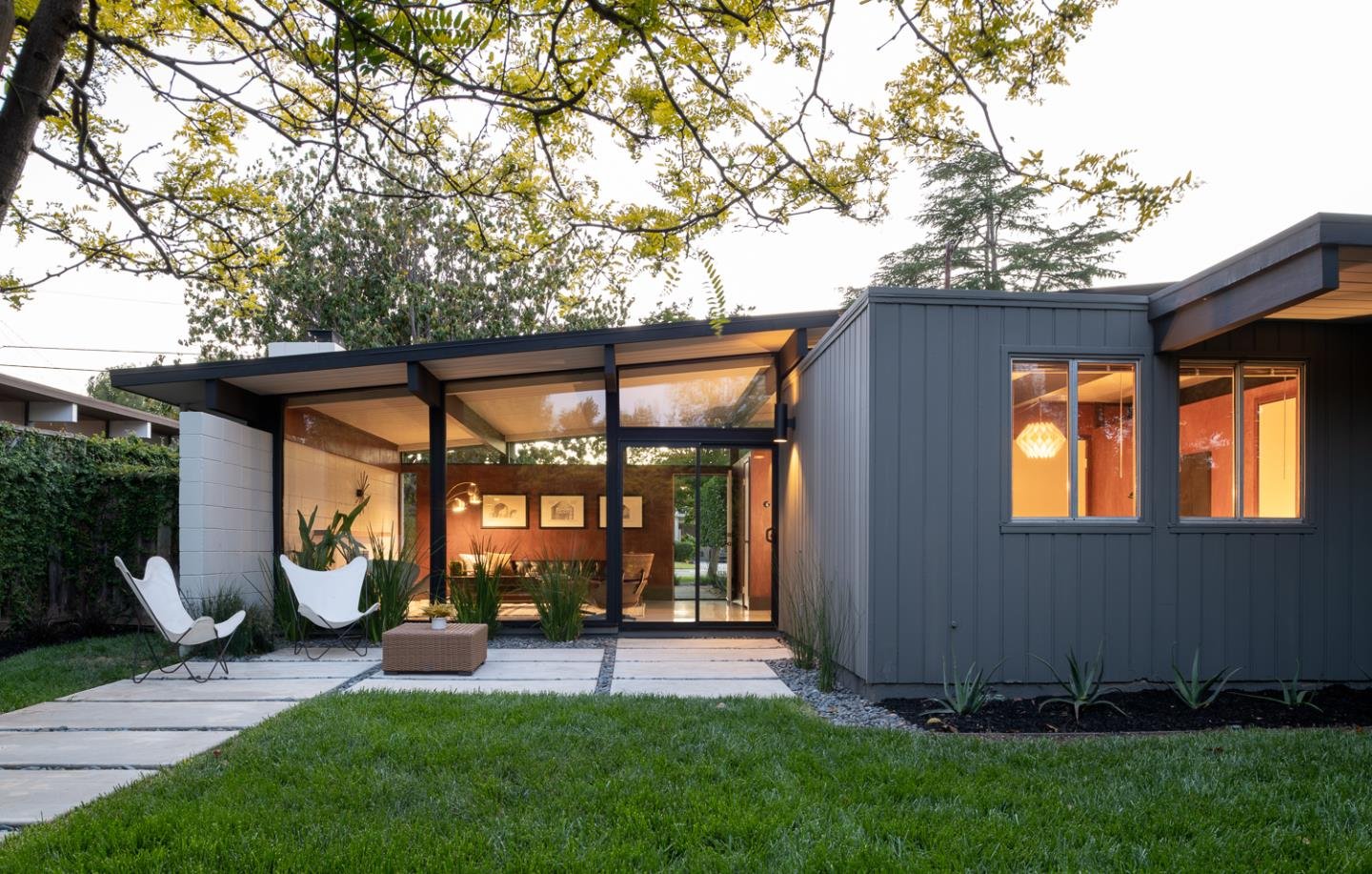
Explore Eichler Homes in Palo Alto’s 94306 ZIP code – a South Palo Alto enclave of mid-century modern houses built 1951–1962. Discover their architectural history (Anshen + Allen, Jones & Emmons, Claude Oakland), thriving Eichler neighborhoods like Greenmeadow (a historic district), top schools, market trends, and why the Boyenga Team are the go-to Eichler real estate experts.
Read MoreStep into the architectural legacy of North Palo Alto’s 94303 ZIP code, where Eichler homes like those in Green Gables and Triple El exemplify mid-century modern design at its finest. Built between 1950 and 1955, these glass-walled, post-and-beam masterpieces blend indoor-outdoor living with timeless aesthetics. From their floor-to-ceiling windows and radiant heat to their placement in top-ranked school districts, 94303 Eichlers remain some of the most sought-after homes in Silicon Valley. Represented by the Boyenga Team—recognized Eichler experts and top Compass real estate advisors—buyers and sellers alike receive the strategic, design-savvy guidance these architectural icons deserve.
Read More“Long before wellness architecture was trending, Joseph Eichler built homes that quietly nurtured well-being. With radiant natural light, indoor-outdoor flow, and biophilic courtyards, Eichlers reduce stress, promote clarity, and foster deeper family connection. They aren’t just houses—they’re sanctuaries for mindful living.”
Read MoreEichler homes may be mid-century icons, but their original designs weren't built for energy efficiency. Today, with the right solar, battery, and insulation upgrades, these architectural gems can be transformed into sustainable, near off-grid powerhouses—without compromising their design integrity. Discover how to future-proof your mid-mod classic.
Read More“Eichler’s atriums weren’t just architectural statements—they were Cold War sanctuaries. In an era marked by nuclear anxiety and postwar optimism, Joseph Eichler offered glass-walled openness buffered by protective privacy. His homes married efficient design with democratic ideals, creating modernist havens that reflected both the fears and freedoms of mid-century America.”
Read MoreEvery Eichler home has a story—and the address tells it. From street names to house numbers, subtle patterns reveal the home’s original architect, build year, and even floor plan. Whether it’s a Claude Oakland atrium in Cupertino or a Jones & Emmons gallery model in Sunnyvale, learn how to decode the clues Eichler left behind.
Read MoreWhat makes an Eichler unmistakably modern, timeless, and coveted by design lovers? From post-and-beam framing to iconic atriums and radiant heat, this guide breaks down the 10 architectural “genes” that define the Eichler legacy—and continue to shape the DNA of modern home design today.
Read More"Has your Eichler lost its soul? Whether the paneling was painted over or the post-and-beam lines were erased in a clumsy renovation, this guide shows you how to reclaim mid-century magic—from globe pendant lighting and mahogany walls to curated color palettes and iconic landscaping—so your home channels the timeless vision of Joseph Eichler."
Read MoreNot all mid-century modern homes are Eichlers—but some came impressively close. From Mackay's Anshen & Allen-designed gems to Bahl’s ultra-private patio homes, we break down the best and boldest Eichler-inspired builds in Silicon Valley. Discover who got it right, where to find these architectural cousins, and why the smartest MCM buyers know it’s not just about the name—it’s about the DNA.
Read MoreFrom butterfly roofs to breeze blocks and tongue-and-groove ceilings, this definitive glossary decodes 100+ must-know mid-century modern design terms. Whether you're buying your first Eichler or just geeking out on post-and-beam perfection, MCM University is your essential guide to understanding—and appreciating—what makes these homes iconic.
Read More“Anshen + Allen gave Eichler homes their soul—compact, pure, and rooted in early modernism. Claude Oakland expanded the vision with dramatic atriums, soaring ceilings, and expressive layouts that redefined suburban modern living. Both shaped the timeless appeal of Eichler architecture.”
Read More“Eichlers always leak.” “Mid-mod homes are too small.” “Flat roofs don’t drain.”
Let’s debunk the most persistent myths about Mid-Century Modern architecture. From advanced roofing solutions to efficient layouts that live large, this guide dismantles the clichés—and explains how Eric and Janelle Boyenga help buyers and sellers make informed decisions about these iconic homes.
Designing your Eichler interior around mid-century modern icons like the Eames Lounge, Noguchi Table, or Nelson Bench is more than styling—it’s architecture-aware curation. Learn how to reverse-engineer your layout, honor scale and sightlines, and create timeless living spaces that blend design pedigree with everyday comfort.
Read MoreEichler homes are architectural icons of indoor-outdoor living, but their glass walls and open courtyards can make summer heat management a challenge. This guide breaks down stylish, energy-efficient solutions—from shading strategies and modern window films to courtyard landscaping and smart HVAC upgrades—that keep your Eichler cool without compromising its mid-century modern charm.
Read MoreThinking of buying an Eichler but worried about radiant heat, slab cracks, or single-pane glass? Don’t be. Most so-called Eichler “dealbreakers” are misunderstood quirks of mid-century modern design. With expert guidance and modern solutions, these classic homes can be both stunning and worry-free.
Read More“A covered atrium transforms your Eichler from a summer sanctuary into a winter-ready retreat—offering passive solar warmth, protection from rain, and a peaceful place to connect with nature, even during storms.”
Read More“An authentic Eichler is a symphony of subtle architectural cues working in unison—from skinny Roman brick planters to tongue-and-groove ceilings and flush wood-glass transitions. These hidden design hallmarks separate the real from the replicas.”
Read MoreFrom Joseph Gordon-Levitt to Silicon Valley insiders, Eichler homes are no longer just postwar relics—they’re architectural trophies. Today’s elite are trading glass towers for glass walls, choosing mid-century modern gems that balance innovation, privacy, and minimalist style. Whether in Palo Alto or the Hollywood Hills, Eichler chic is the new gold standard in design-driven living.
Read MoreExpanding an Eichler home—whether through an ADU, studio, or carport conversion—requires more than just permits and plans. It’s about preserving a legacy. Eichler homes are defined by their flat or low-sloped rooflines, post-and-beam construction, floor-to-ceiling glass, and a radical embrace of indoor-outdoor living. Adding space to these mid-century icons means designing with restraint and precision. Rooflines must align, materials must match, and additions should feel like they were always part of the original blueprint. Whether you’re converting a carport into a home office or placing a detached “mini-Eichler” ADU in the backyard, every element—from clerestory windows to grooved siding—must echo the Eichler aesthetic. Cities like Palo Alto and Sunnyvale have developed Eichler-specific design guidelines for a reason: to encourage smart, compatible growth that doesn’t erase architectural integrity. With careful planning and the right team, you can add space and value to your Eichler while keeping its modernist soul intact. The Boyenga Team at Compass, led by Eric and Janelle Boyenga, are Silicon Valley’s Eichler experts—helping clients expand thoughtfully and stay true to the spirit of California Modern.
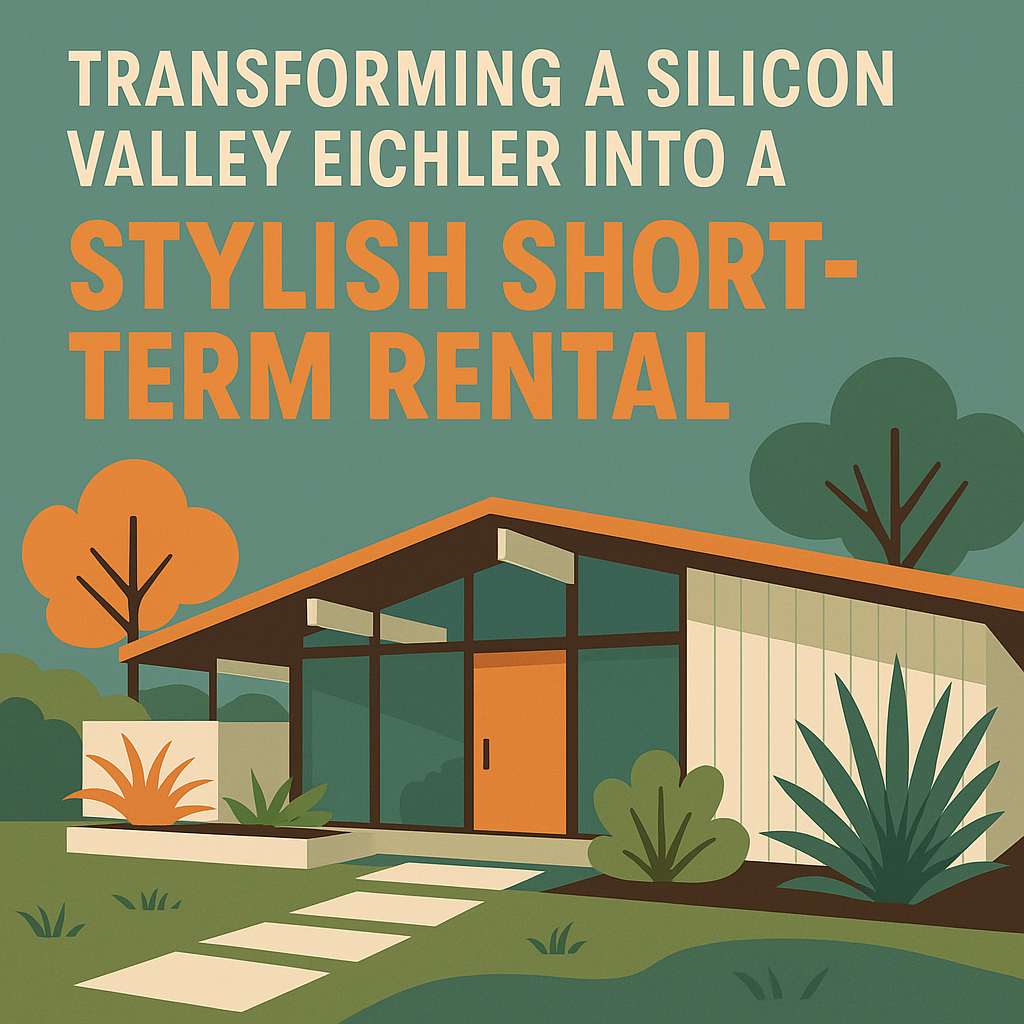
Read MoreTransforming your Silicon Valley Eichler into a short-term rental means more than just furniture and photos—it’s about preserving mid-century soul while embracing modern hospitality. This guide walks you through design-savvy staging, Eichler-friendly upgrades, and hosting tips that attract the right guests without compromising architectural integrity.
Read More