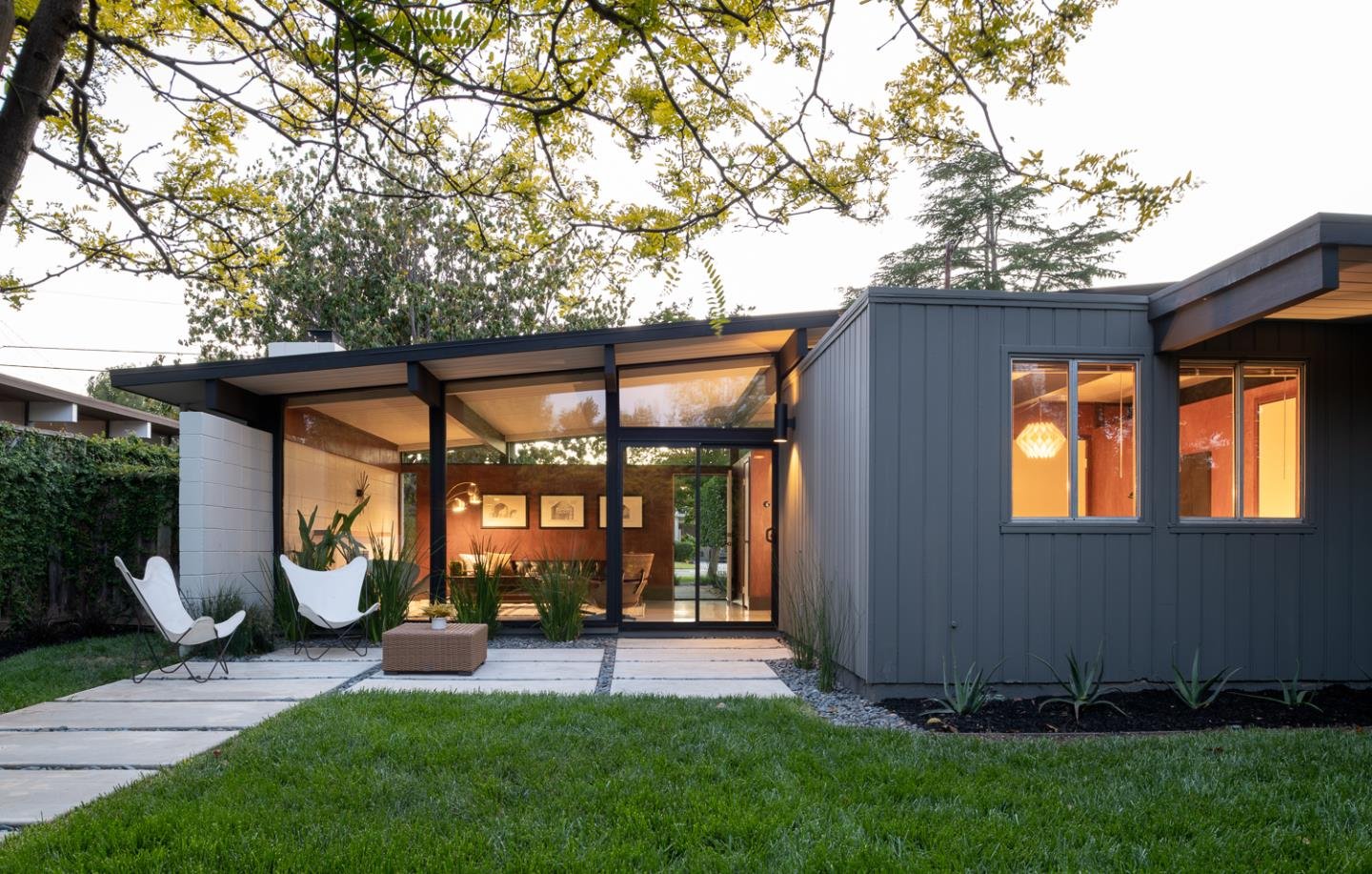
From butterfly roofs to breeze blocks and tongue-and-groove ceilings, this definitive glossary decodes 100+ must-know mid-century modern design terms. Whether you're buying your first Eichler or just geeking out on post-and-beam perfection, MCM University is your essential guide to understanding—and appreciating—what makes these homes iconic.
Read More“Anshen + Allen gave Eichler homes their soul—compact, pure, and rooted in early modernism. Claude Oakland expanded the vision with dramatic atriums, soaring ceilings, and expressive layouts that redefined suburban modern living. Both shaped the timeless appeal of Eichler architecture.”
Read More“Eichlers always leak.” “Mid-mod homes are too small.” “Flat roofs don’t drain.”
Let’s debunk the most persistent myths about Mid-Century Modern architecture. From advanced roofing solutions to efficient layouts that live large, this guide dismantles the clichés—and explains how Eric and Janelle Boyenga help buyers and sellers make informed decisions about these iconic homes.
Designing your Eichler interior around mid-century modern icons like the Eames Lounge, Noguchi Table, or Nelson Bench is more than styling—it’s architecture-aware curation. Learn how to reverse-engineer your layout, honor scale and sightlines, and create timeless living spaces that blend design pedigree with everyday comfort.
Read MoreEichler homes are architectural icons of indoor-outdoor living, but their glass walls and open courtyards can make summer heat management a challenge. This guide breaks down stylish, energy-efficient solutions—from shading strategies and modern window films to courtyard landscaping and smart HVAC upgrades—that keep your Eichler cool without compromising its mid-century modern charm.
Read MoreThinking of buying an Eichler but worried about radiant heat, slab cracks, or single-pane glass? Don’t be. Most so-called Eichler “dealbreakers” are misunderstood quirks of mid-century modern design. With expert guidance and modern solutions, these classic homes can be both stunning and worry-free.
Read More“A covered atrium transforms your Eichler from a summer sanctuary into a winter-ready retreat—offering passive solar warmth, protection from rain, and a peaceful place to connect with nature, even during storms.”
Read More“An authentic Eichler is a symphony of subtle architectural cues working in unison—from skinny Roman brick planters to tongue-and-groove ceilings and flush wood-glass transitions. These hidden design hallmarks separate the real from the replicas.”
Read MoreFrom Joseph Gordon-Levitt to Silicon Valley insiders, Eichler homes are no longer just postwar relics—they’re architectural trophies. Today’s elite are trading glass towers for glass walls, choosing mid-century modern gems that balance innovation, privacy, and minimalist style. Whether in Palo Alto or the Hollywood Hills, Eichler chic is the new gold standard in design-driven living.
Read MoreExpanding an Eichler home—whether through an ADU, studio, or carport conversion—requires more than just permits and plans. It’s about preserving a legacy. Eichler homes are defined by their flat or low-sloped rooflines, post-and-beam construction, floor-to-ceiling glass, and a radical embrace of indoor-outdoor living. Adding space to these mid-century icons means designing with restraint and precision. Rooflines must align, materials must match, and additions should feel like they were always part of the original blueprint. Whether you’re converting a carport into a home office or placing a detached “mini-Eichler” ADU in the backyard, every element—from clerestory windows to grooved siding—must echo the Eichler aesthetic. Cities like Palo Alto and Sunnyvale have developed Eichler-specific design guidelines for a reason: to encourage smart, compatible growth that doesn’t erase architectural integrity. With careful planning and the right team, you can add space and value to your Eichler while keeping its modernist soul intact. The Boyenga Team at Compass, led by Eric and Janelle Boyenga, are Silicon Valley’s Eichler experts—helping clients expand thoughtfully and stay true to the spirit of California Modern.
Read MoreTransforming your Silicon Valley Eichler into a short-term rental means more than just furniture and photos—it’s about preserving mid-century soul while embracing modern hospitality. This guide walks you through design-savvy staging, Eichler-friendly upgrades, and hosting tips that attract the right guests without compromising architectural integrity.
Read MoreNavigating HOA rules in Silicon Valley’s Eichler neighborhoods can be complex—but essential for preserving architectural integrity. From Palo Alto’s single-story overlays to Cupertino’s Eichler zoning, this guide breaks down which tracts have design protections, architectural review boards, or historic designations that impact your remodel or resale. Whether you're a buyer or long-time owner, understanding your neighborhood’s rules is key to honoring the mid-century vision—and protecting your investment.
Read MoreDesigning the perfect front yard for your Eichler means more than just planting succulents—it's about honoring Joseph Eichler’s modernist principles with sustainable, geometric landscaping that enhances curb appeal while blending architecture, climate, and California-native beauty. Discover how to create a timeless, drought-conscious design that resonates with mid-century integrity.
Read More“Move beyond the Eames and Neutra—this deep dive highlights ten under-recognized residential architects who helped define mid-century modernism. From Ralph Rapson’s Case Study optimism to Cliff May’s California Ranch and Paul László’s design-build luxury, these forgotten figures reshaped American housing and still influence today’s architectural language.”
Read MoreIn Oakland’s 94611 ZIP code—Montclair Hills, Skyline Blvd, and Sequoyah-adjacent terrain—buyers will find a hidden trove of mid-century homes that channel the spirit of Eichler. With post-and-beam construction, walls of glass, and dramatic hillside settings, these properties offer design pedigree, privacy, and indoor-outdoor living high above the Bay.
Read MoreIn Mountain View’s 94043 zip code, buyers can live just minutes from Google while enjoying the serenity of a classic mid-century modern Eichler home. In neighborhoods like Monta Loma, post-and-beam architecture, glass-walled atriums, and a vibrant community lifestyle offer a striking alternative to newer townhome infill at The Crossings. Here, mid-century design meets Silicon Valley convenience.”
Read More“In Saratoga’s 95070, mid-century modern isn't just preserved—it’s elevated. Here, expansive estate homes channel Eichler’s iconic design principles—glass walls, indoor-outdoor flow, post-and-beam construction—while delivering the luxury of space, privacy, and wine cellars. It’s California Modernism at compound scale.”
Read More“In a zip code famed for its Queen Annes and Craftsman bungalows, Palo Alto’s 94301 hides a rare architectural twist: a handful of iconic Eichler homes. Tucked near Professorville’s historic blocks, these modernist gems offer a bold counterpoint to Victorian-era tradition—perfect for design-savvy buyers seeking timeless contrast in Silicon Valley’s most classic neighborhood.”
Read More“Hidden in Cupertino’s Rancho Rinconada, a compact tract of authentic Eichler homes offers an unexpected fusion of mid-century modern design and top-rated schools. With post-and-beam construction, radiant-heated floors, and glass-walled atriums, these architectural time capsules are now prized by design-forward buyers seeking both timeless style and Silicon Valley convenience.”
Read More“In Palo Alto’s 94306 ZIP code, Eichler neighborhoods like Meadow Park and parts of Barron Park are at the epicenter of a growing architectural standoff — where low-slung modernism meets the vertical ambitions of pop-top remodels. Zoning battles, preservation efforts, and design guidelines all shape the micro-markets in this dynamic corner of Silicon Valley.”
Read More