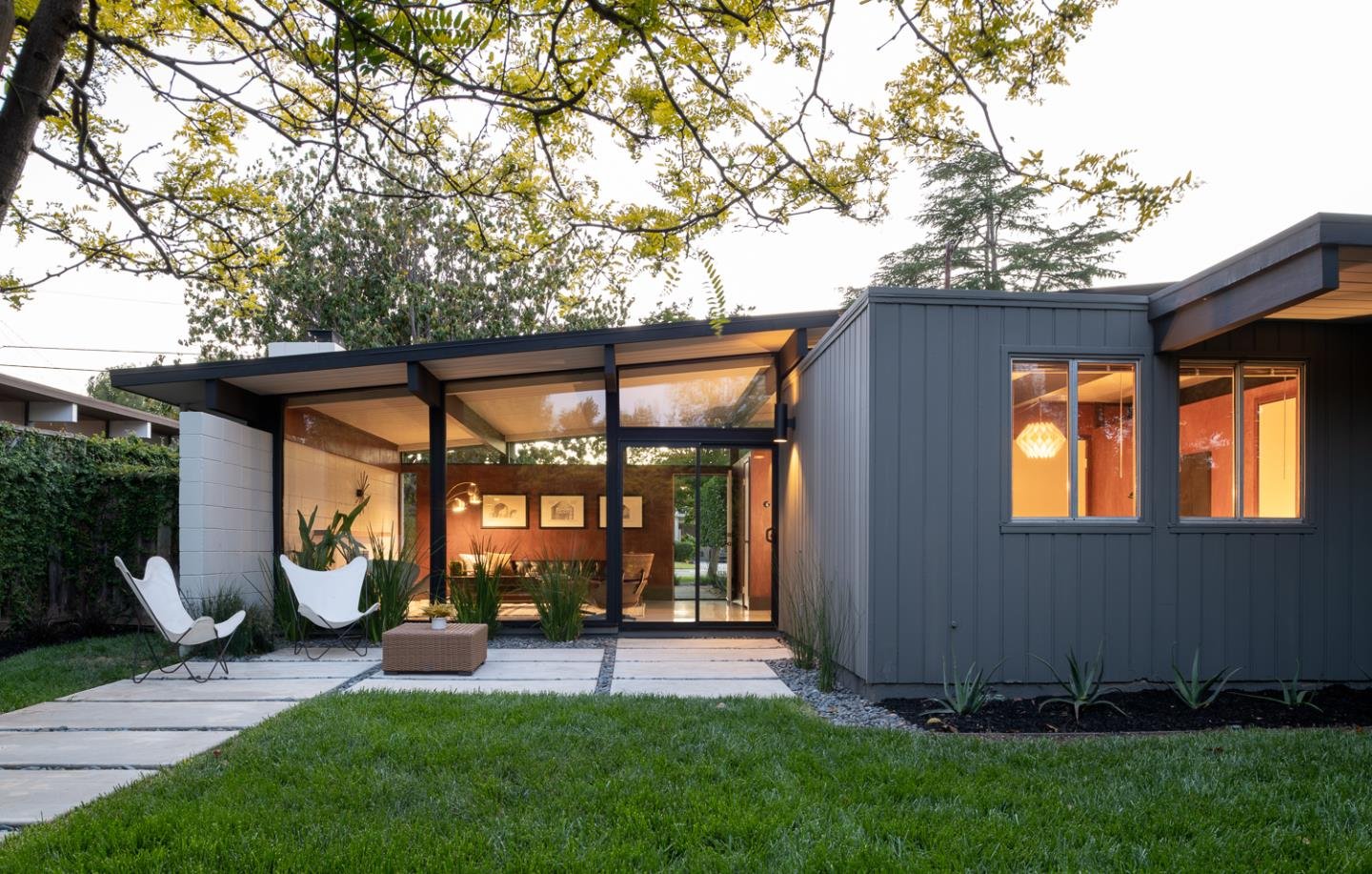
Buying or selling an Eichler requires a different inspection mindset. These mid-century modern homes are loved for their flat or low-slope roofs, radiant-heated slabs, post-and-beam construction, glass walls, atriums, clerestory windows, and indoor-outdoor flow — but those same features require specialized due diligence. A standard inspection is important, but Eichler buyers and sellers also need to understand roof history, radiant heat condition, drainage, slab issues, termites, electrical upgrades, permits, remodel quality, insurance-sensitive details, and architectural integrity. This guide explains what to inspect, what to document, and how the Boyenga Team at Compass helps clients move through Eichler escrow with clarity and confidence.
Read MoreBuying or selling an Eichler requires a different inspection mindset. These mid-century modern homes are loved for their flat or low-slope roofs, radiant-heated slabs, post-and-beam construction, glass walls, atriums, clerestory windows, and indoor-outdoor flow — but those same features require specialized due diligence. A standard inspection is important, but Eichler buyers and sellers also need to understand roof history, radiant heat condition, drainage, slab issues, termites, electrical upgrades, permits, remodel quality, insurance-sensitive details, and architectural integrity. This guide explains what to inspect, what to document, and how the Boyenga Team at Compass helps clients move through Eichler escrow with clarity and confidence.
Read MoreTucked beside Red Morton Park, the Fairwood tract—better known as the Lyons Street Eichlers—reads like a living museum of mid-century modern. Thirty-ish single-story, post-and-beam homes with floor-to-ceiling glass, quiet rooflines, and radiant-heated slabs form a one-block community locals call “Dream Street.” Inventory is scarce, stewardship is high, and demand is persistent: purists prize preserved mahogany and original profiles while design-savvy families covet indoor-outdoor flow, schools, and central Redwood City access. The result is a timeless neighborhood where architectural integrity and neighborly culture compound long-term value—proof that good design never goes out of style.
Read More