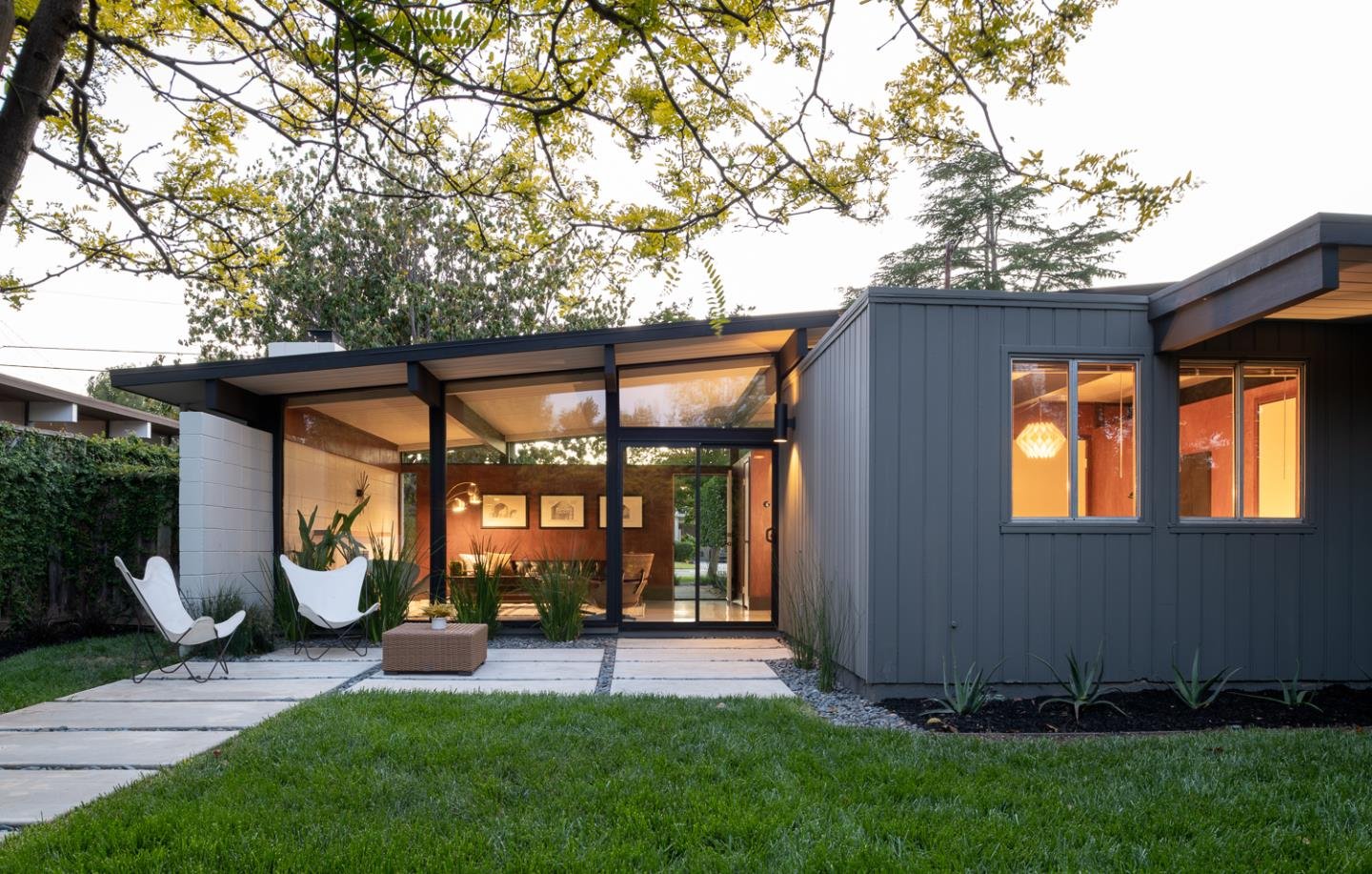
An Eichler does not need a panoramic view to feel expansive. Sometimes all it needs is one perfectly framed tree, a slice of sky through the atrium, a private garden beyond a glass wall, or the quiet shadow of a roof beam crossing a courtyard. Eichlers are masters of borrowed landscape — the art of making trees, sky, neighboring greenery, fences, gardens, and filtered views feel like part of the home itself. This guide explains how Eichler buyers and sellers can understand sightlines, privacy, atriums, staging, landscaping, and resale value through one of the most powerful but overlooked forces in mid-century modern living: what the home chooses to see.
Read MoreIn an Eichler, not every imperfection is a flaw. Some are the evidence of a home worth preserving. Original wood ceilings, exposed beams, mahogany paneling, glass walls, atriums, globe lights, slab doors, radiant heat, and mature landscaping can all add warmth, authenticity, and value — but only when they are cared for, functional, and honestly documented. This guide explains how Eichler buyers and sellers can tell the difference between valuable patina and costly deferred maintenance, and how the Boyenga Team at Compass helps clients protect the mid-century modern soul of these remarkable homes.
Read MoreEichlers were designed for lightness, openness, glass, gardens, and indoor-outdoor living. But in earthquake country, a truly modern Eichler should also be prepared. From slab foundations and post-and-beam construction to water heater bracing, glass walls, remodel permits, earthquake insurance, and interior safety, seismic readiness is now part of smart Eichler ownership. This guide explains how buyers, sellers, and homeowners can think about earthquake resilience without compromising the mid-century modern soul of the home.
Read MoreAn Eichler is not just a house with three bedrooms, two baths, and a certain amount of square footage. It is an architectural asset shaped by glass walls, exposed beams, atriums, radiant heat, low rooflines, privacy, indoor-outdoor living, and design integrity. That is why ordinary neighborhood comps can sometimes miss the true value of a thoughtfully preserved or carefully modernized Eichler. This guide explains how buyers, sellers, agents, and appraisers should think about Eichler value — and why the right documentation, pricing strategy, and architectural storytelling matter.
Read MoreBuying or selling an Eichler requires a different inspection mindset. These mid-century modern homes are loved for their flat or low-slope roofs, radiant-heated slabs, post-and-beam construction, glass walls, atriums, clerestory windows, and indoor-outdoor flow — but those same features require specialized due diligence. A standard inspection is important, but Eichler buyers and sellers also need to understand roof history, radiant heat condition, drainage, slab issues, termites, electrical upgrades, permits, remodel quality, insurance-sensitive details, and architectural integrity. This guide explains what to inspect, what to document, and how the Boyenga Team at Compass helps clients move through Eichler escrow with clarity and confidence.
Read MoreIn an Eichler, a remodel is not automatically an upgrade. Buyers often value the very details that make these homes different: exposed beams, tongue-and-groove ceilings, radiant-heated slabs, glass walls, atriums, clerestory windows, vertical siding, flat or low-slope rooflines, and seamless indoor-outdoor living. The best Eichler updates improve comfort, function, safety, and marketability while preserving the mid-century modern soul of the home. This guide explains what to restore, what to modernize, what to avoid, and how the Boyenga Team at Compass helps Eichler buyers and sellers make smarter real estate decisions.
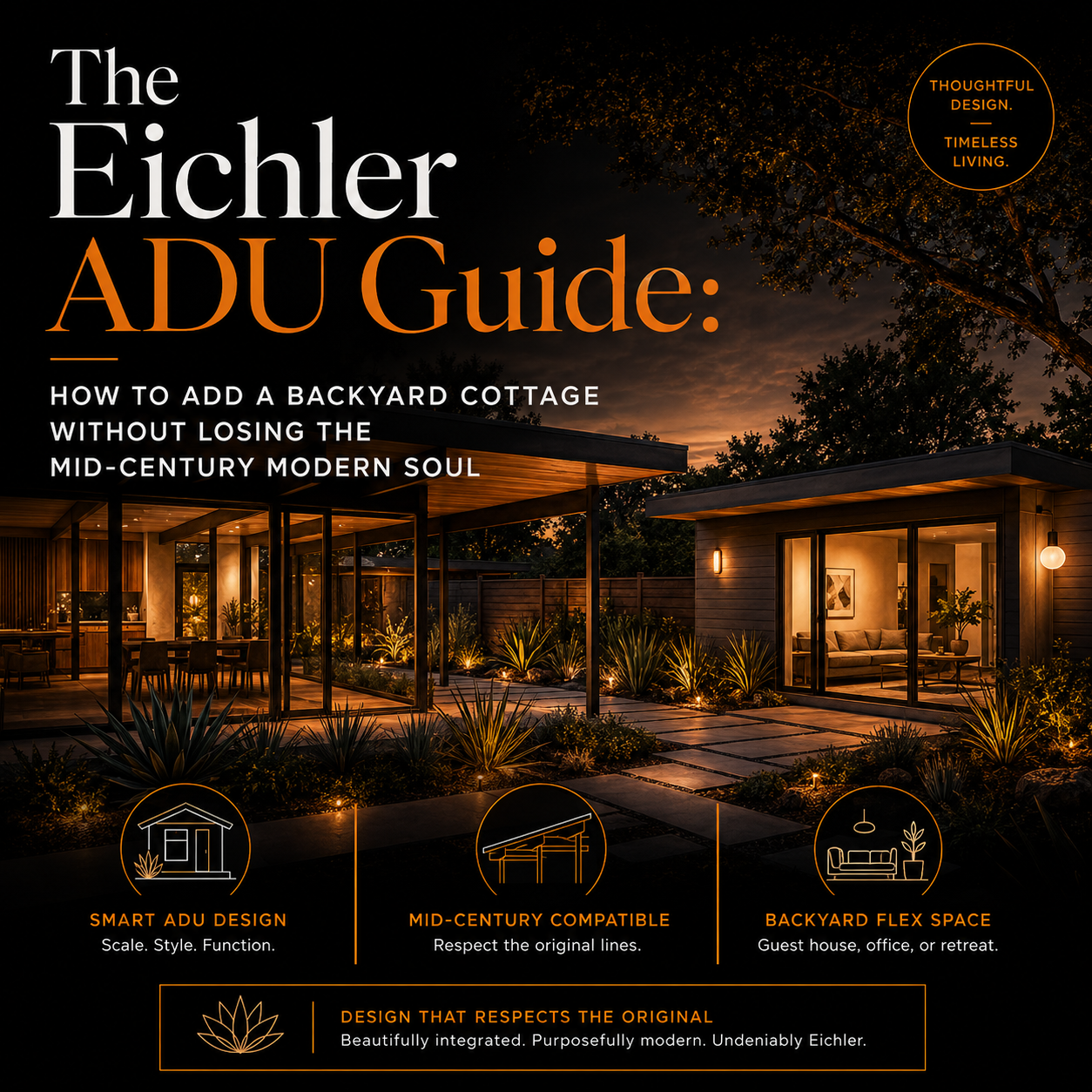
Read MoreAdding an ADU to an Eichler is not the same as adding a backyard cottage to an ordinary home. Eichlers were designed around privacy, glass walls, atriums, post-and-beam structure, radiant slabs, low rooflines, and carefully framed indoor-outdoor spaces. A well-designed ADU can add flexibility, rental potential, multigenerational living, guest space, or a work-from-home studio — but a poorly placed one can block views, compromise privacy, overwhelm the lot, or weaken the home’s mid-century modern character. This guide explains how Eichler owners, buyers, and sellers can think about ADUs in a way that protects both function and architecture.
Read MoreElectrifying an Eichler is not like upgrading an ordinary home. These mid-century modern icons were designed around radiant-heated slabs, flat or low-slope roofs, exposed beams, glass walls, atriums, and seamless indoor-outdoor living. The challenge is not simply adding heat pumps, solar panels, batteries, EV chargers, or new electrical systems — it is doing so without compromising the architecture. For Eichler buyers and sellers, smart modernization means improving comfort, efficiency, and long-term value while preserving the clean lines, warmth, and California modern spirit that make Eichlers so desirable.
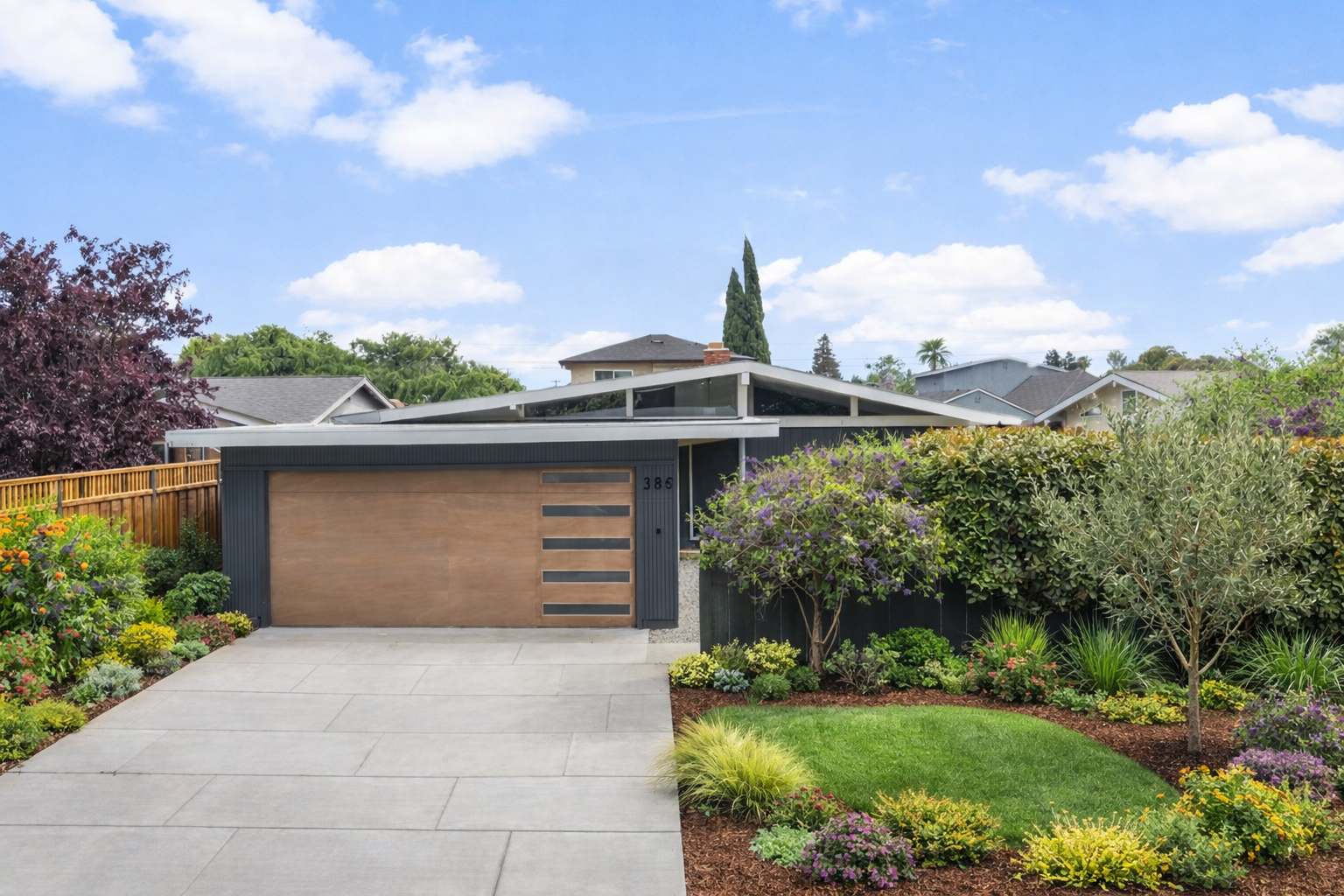
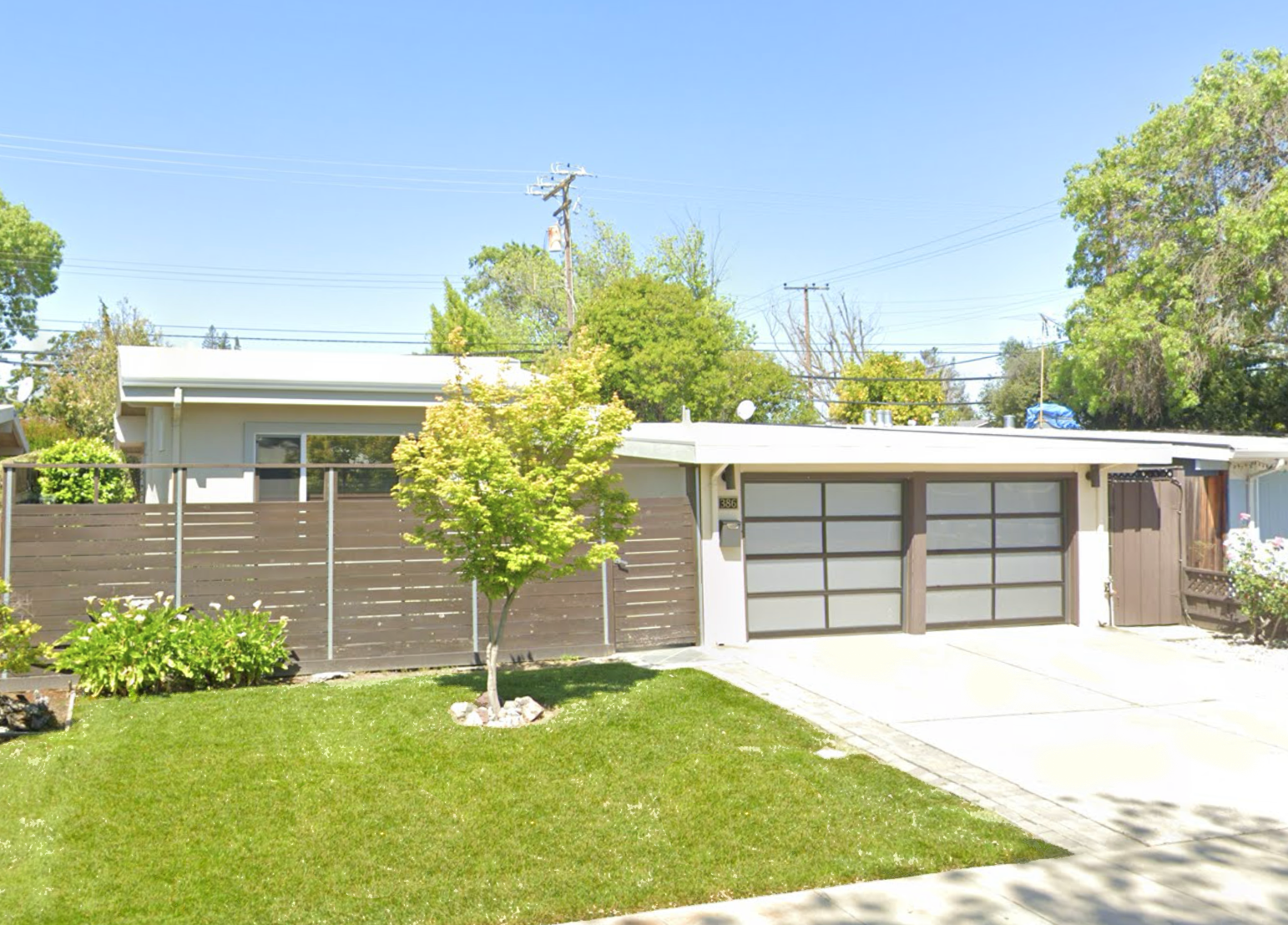
Read MoreA refined mid-century modern residence in Santa Clara, 385 Cronin Avenue blends architectural integrity with modern livability. With walls of glass, seamless indoor-outdoor flow, and thoughtful upgrades, this home offers a rare opportunity to experience design-driven living in the heart of Silicon Valley.
Read MoreThe Maywood neighborhood, located in the heart of Santa Clara’s 95051 zip code, is a captivating niegborhood of mid-century modern architecture. Renowned home builder John Mackay designed this unique development in the mid-1950s, creating what are affectionately known as "Eichler Homes."
Read More