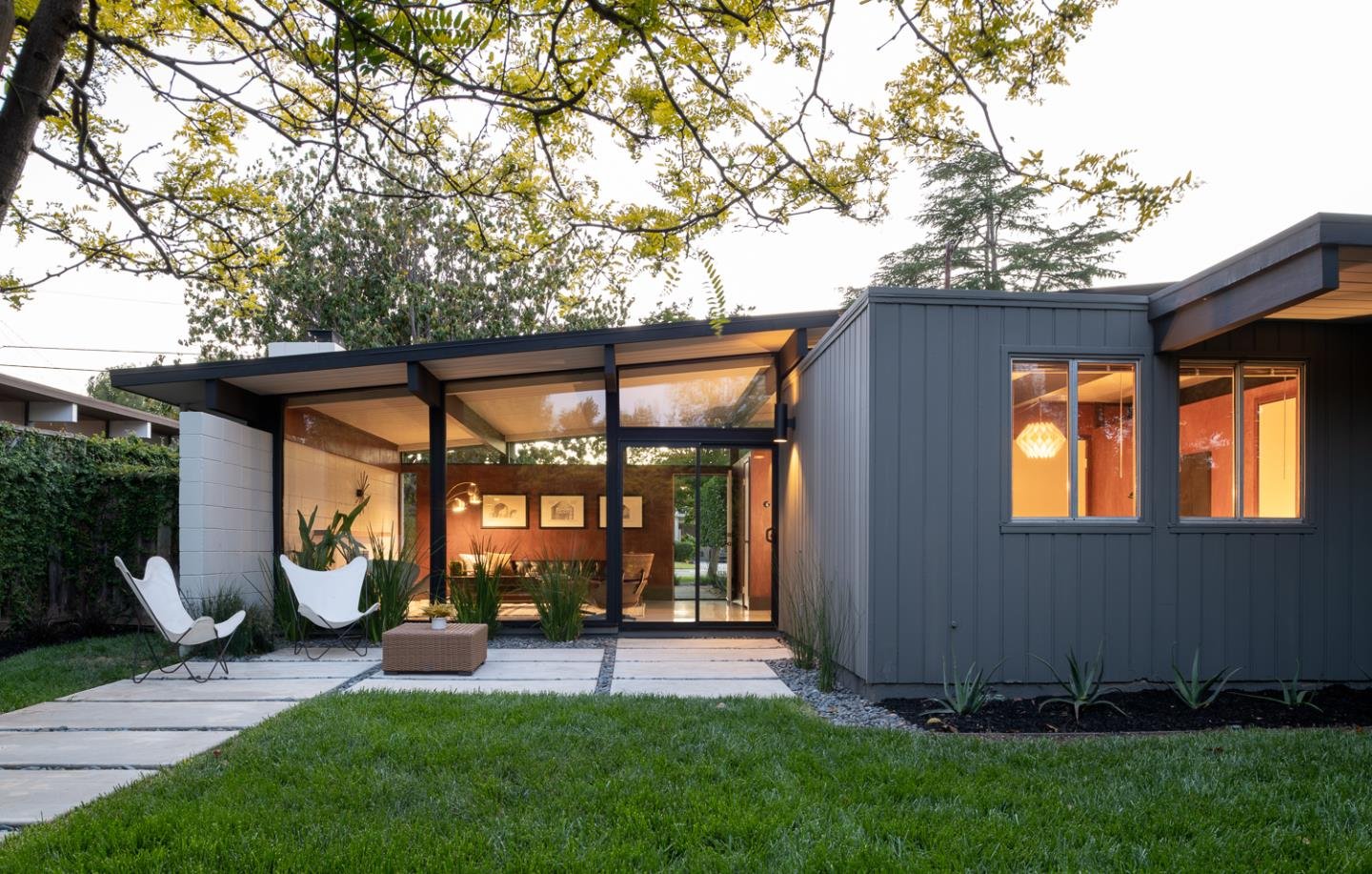

In an Eichler, the fireplace is not just where the fire goes. It is where the room gathers. A simple mid-century hearth can anchor the living room, balance the glass walls, warm the open floor plan, and create one of the most emotional moments in the home. But in today’s Bay Area, fireplaces also raise practical questions about wood-smoke rules, disclosures, chimney inspections, indoor air quality, gas or electric conversions, earthquake safety, staging, and resale value. This guide explains how Eichler buyers and sellers can understand the fireplace as both an architectural feature and a due-diligence item.
Read MoreIn an Eichler, not every imperfection is a flaw. Some are the evidence of a home worth preserving. Original wood ceilings, exposed beams, mahogany paneling, glass walls, atriums, globe lights, slab doors, radiant heat, and mature landscaping can all add warmth, authenticity, and value — but only when they are cared for, functional, and honestly documented. This guide explains how Eichler buyers and sellers can tell the difference between valuable patina and costly deferred maintenance, and how the Boyenga Team at Compass helps clients protect the mid-century modern soul of these remarkable homes.
Read MoreEichlers were designed for lightness, openness, glass, gardens, and indoor-outdoor living. But in earthquake country, a truly modern Eichler should also be prepared. From slab foundations and post-and-beam construction to water heater bracing, glass walls, remodel permits, earthquake insurance, and interior safety, seismic readiness is now part of smart Eichler ownership. This guide explains how buyers, sellers, and homeowners can think about earthquake resilience without compromising the mid-century modern soul of the home.
Read MoreAn Eichler is not just a house with three bedrooms, two baths, and a certain amount of square footage. It is an architectural asset shaped by glass walls, exposed beams, atriums, radiant heat, low rooflines, privacy, indoor-outdoor living, and design integrity. That is why ordinary neighborhood comps can sometimes miss the true value of a thoughtfully preserved or carefully modernized Eichler. This guide explains how buyers, sellers, agents, and appraisers should think about Eichler value — and why the right documentation, pricing strategy, and architectural storytelling matter.
Read MoreBuying or selling an Eichler requires a different inspection mindset. These mid-century modern homes are loved for their flat or low-slope roofs, radiant-heated slabs, post-and-beam construction, glass walls, atriums, clerestory windows, and indoor-outdoor flow — but those same features require specialized due diligence. A standard inspection is important, but Eichler buyers and sellers also need to understand roof history, radiant heat condition, drainage, slab issues, termites, electrical upgrades, permits, remodel quality, insurance-sensitive details, and architectural integrity. This guide explains what to inspect, what to document, and how the Boyenga Team at Compass helps clients move through Eichler escrow with clarity and confidence.
Read MoreIn an Eichler, a remodel is not automatically an upgrade. Buyers often value the very details that make these homes different: exposed beams, tongue-and-groove ceilings, radiant-heated slabs, glass walls, atriums, clerestory windows, vertical siding, flat or low-slope rooflines, and seamless indoor-outdoor living. The best Eichler updates improve comfort, function, safety, and marketability while preserving the mid-century modern soul of the home. This guide explains what to restore, what to modernize, what to avoid, and how the Boyenga Team at Compass helps Eichler buyers and sellers make smarter real estate decisions.
Read MoreEichler homes may look simple at first glance, but beneath the clean lines and glass walls lies an entire universe of clever, often overlooked design quirks. From rare triangular clerestory windows and floating rooflines to double A-frame atriums, gallery models, and original hardware that collectors obsess over, each Eichler model contains unique architectural “Easter eggs” that shape light, flow, and lifestyle. Understanding these subtleties isn’t just fascinating—it’s essential for buyers, sellers, and mid-century modern enthusiasts who want to evaluate authenticity, preserve architectural integrity, and maximize long-term property value.
Read More