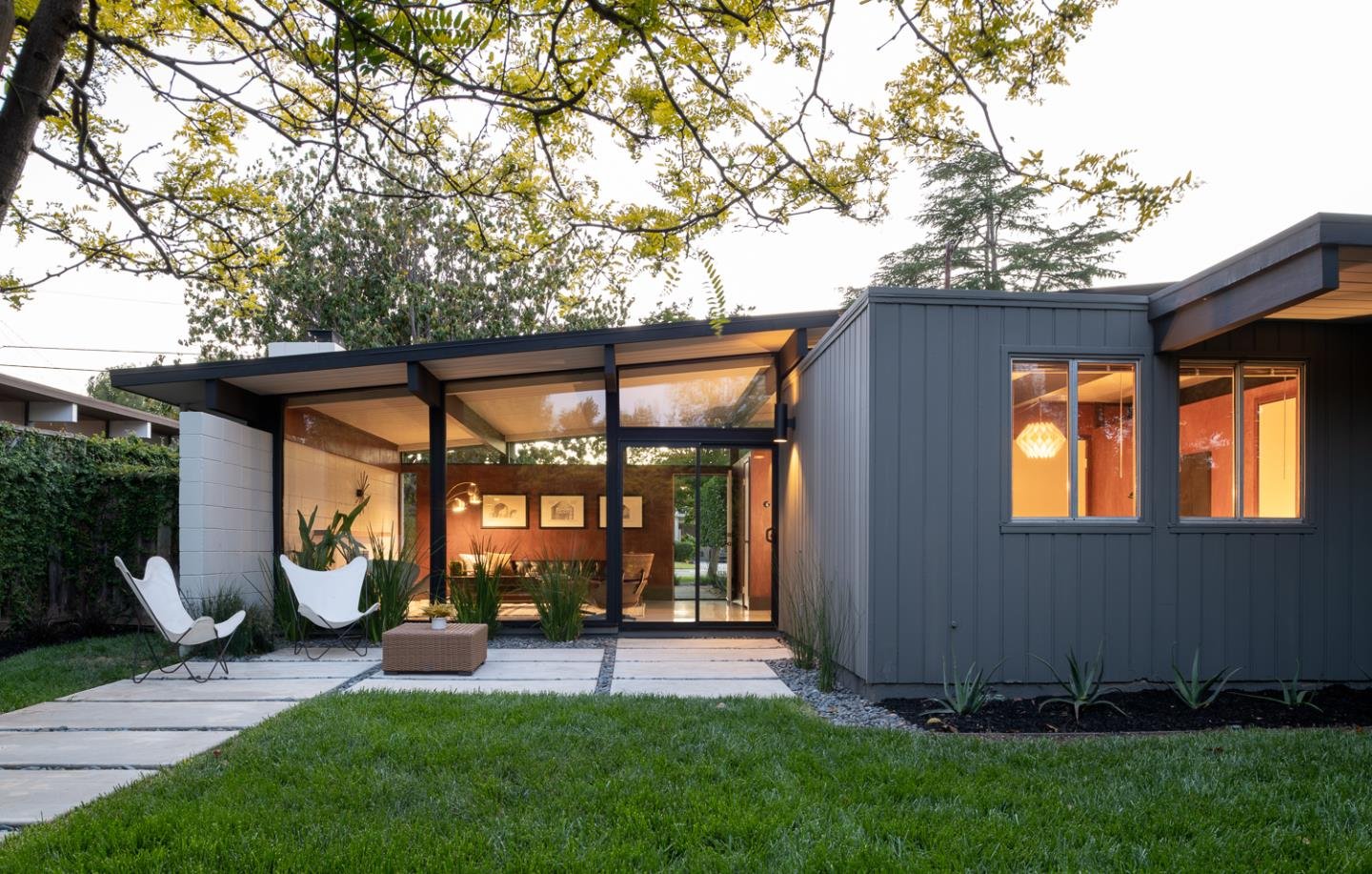
Eichlers were designed for visual calm, but modern life comes with backpacks, bikes, pet gear, laptops, tools, pantry overflow, sports equipment, delivery boxes, and everything else real households need. The secret to a great Eichler is not having less life inside it — it is learning how to hide modern life beautifully. This guide explores closets, garages, carports, kitchens, entry zones, built-ins, radiant-slab considerations, staging, and resale value through a Property Nerd lens: storage should support the architecture, not compete with it.
Read MoreAn Eichler does not need a dedicated gym to become a wellness home. The atrium, radiant slab, glass walls, private garden, garage, and open floor plan are already part of the experience. From yoga and Pilates to strength training, recovery spaces, garage gyms, meditation corners, and indoor-outdoor movement, Eichlers offer a rare architectural foundation for healthier daily living. The key is creating wellness spaces that feel calm, flexible, and design-sensitive — not cluttered, commercial, or disconnected from the mid-century modern soul of the home.
Read MoreIn an Eichler, not every imperfection is a flaw. Some are the evidence of a home worth preserving. Original wood ceilings, exposed beams, mahogany paneling, glass walls, atriums, globe lights, slab doors, radiant heat, and mature landscaping can all add warmth, authenticity, and value — but only when they are cared for, functional, and honestly documented. This guide explains how Eichler buyers and sellers can tell the difference between valuable patina and costly deferred maintenance, and how the Boyenga Team at Compass helps clients protect the mid-century modern soul of these remarkable homes.
Read MoreIn an Eichler, a remodel is not automatically an upgrade. Buyers often value the very details that make these homes different: exposed beams, tongue-and-groove ceilings, radiant-heated slabs, glass walls, atriums, clerestory windows, vertical siding, flat or low-slope rooflines, and seamless indoor-outdoor living. The best Eichler updates improve comfort, function, safety, and marketability while preserving the mid-century modern soul of the home. This guide explains what to restore, what to modernize, what to avoid, and how the Boyenga Team at Compass helps Eichler buyers and sellers make smarter real estate decisions.
Read MoreAdding an ADU to an Eichler is not the same as adding a backyard cottage to an ordinary home. Eichlers were designed around privacy, glass walls, atriums, post-and-beam structure, radiant slabs, low rooflines, and carefully framed indoor-outdoor spaces. A well-designed ADU can add flexibility, rental potential, multigenerational living, guest space, or a work-from-home studio — but a poorly placed one can block views, compromise privacy, overwhelm the lot, or weaken the home’s mid-century modern character. This guide explains how Eichler owners, buyers, and sellers can think about ADUs in a way that protects both function and architecture.
Read More"From radiant heat and glass walls to vertical siding and atriums, Eichler homes are full of misunderstood features that actually reflect brilliant design intent. By understanding these unique elements, homeowners and buyers can preserve the integrity and elevate the value of mid-century modern architecture."
Read More"Converting an Eichler carport into a garage balances modern convenience with architectural integrity. Done thoughtfully—with matching siding, low-profile garage doors, and city-permitted plans—a garage can enhance security, storage, and resale value while preserving the home’s mid-century soul."
Read MoreRead MoreFrom clerestory windows to tongue-and-groove ceilings, this in-depth glossary breaks down the architectural DNA of Eichler homes. Whether you're a first-time buyer, mid-mod renovator, or just obsessed with California Modernism, this guide helps you speak the language of authentic Eichler design with confidence.