
Eichler Mahogany Paneling & Tongue-and-Groove Ceilings: Restore vs. Replace ROI
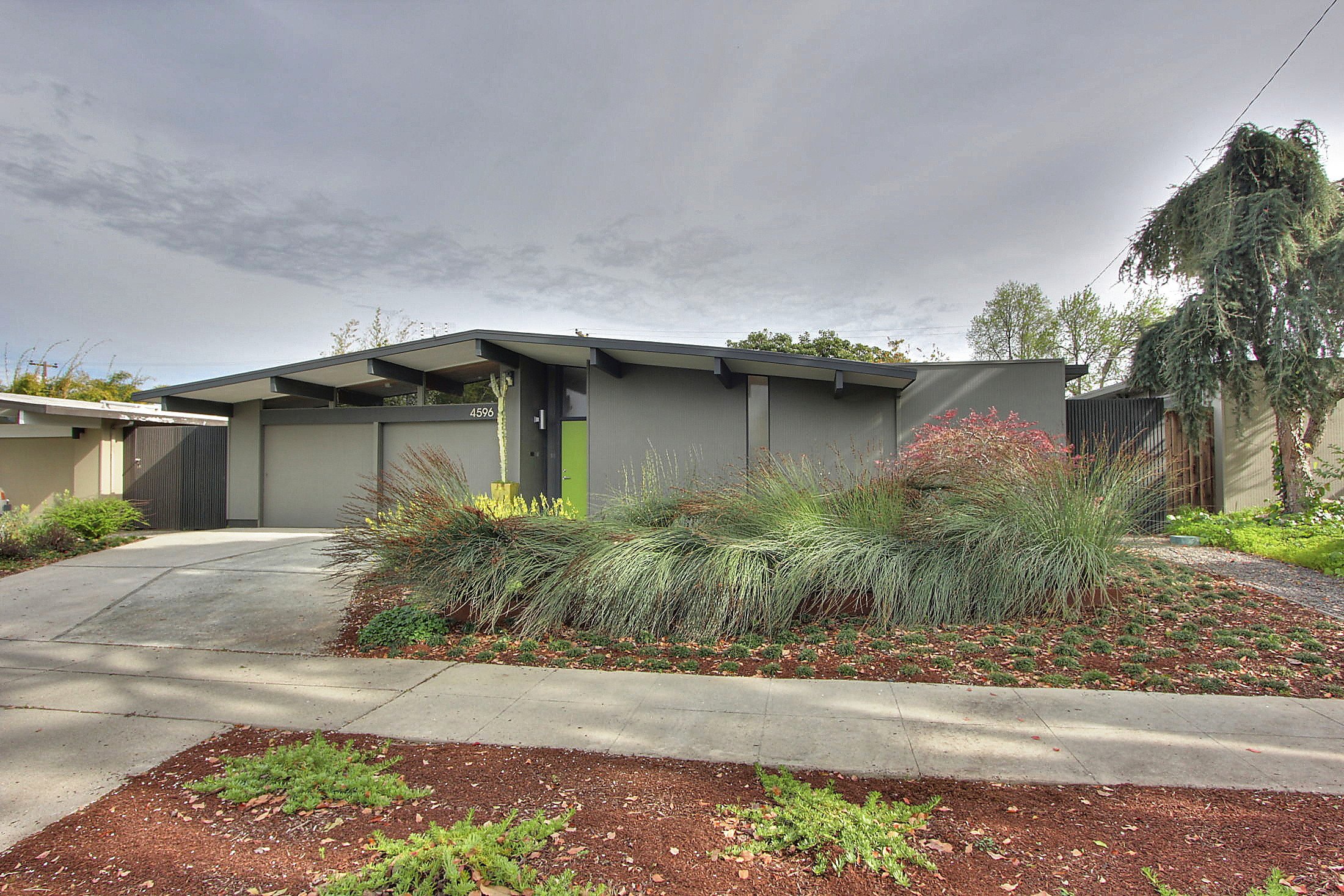
Nothing defines the warmth of an original Joseph Eichler interior faster than genuine Philippine mahogany luan paneling and exposed Douglas fir tongue-and-groove ceilings. Yet decades of sun exposure, drywall patches, and well-intentioned coats of white paint leave Silicon Valley buyers and sellers facing a high-stakes question: should you restore the original wood, or replace it?
Here is the Property Nerds® breakdown of restoration math, material authenticity, and resale ROI.
1. Why Original Mahogany Paneling Drives Appraisal Premiums
Eichler's 1/4-inch rotary-cut Philippine mahogany (luan) walls weren't decorative afterthoughts—they provided horizontal warmth that balanced floor-to-ceiling glass and concrete slab floors. In competitive Silicon Valley tracts across Palo Alto, Sunnyvale, and San Mateo, homes with intact, unpainted mahogany consistently command stronger buyer emotional attachment and higher price-per-square-foot multiples than drywall-converted comps.
2. Stripping Painted Paneling vs. Re-Veneering
If previous owners painted over the mahogany, chemical stripping and hand-sanding often cost $15–$25 per square foot in labor and rarely recover uniform grain without blotching. A smarter architectural alternative is installing fresh 1/4-inch mahogany plywood sheets—or book-matched architectural veneer panels—directly over damaged sections, keeping vertical V-grooves aligned with the 4-foot post-and-beam rhythm.
3. Tongue-and-Groove Ceiling Restoration: Media Blasting vs. Stain
Original 2x6 Douglas fir tongue-and-groove decking doubles as both roof structure and finished ceiling. When ceilings have been painted heavy white or yellowed by decades of varnish, walnut-shell or dry-ice media blasting strips coatings cleanly without gouging softwood grain—typically running $6,000–$12,000 for a 1,800-square-foot Eichler. Follow with a matte waterborne clear coat or warm pickle stain that preserves natural grain without creating glossy glare.
4. Electrical & Lighting Integration Without Drywall Scars
Because tongue-and-groove ceilings have no attic cavity, never cut recessed can holes into structural decking. Instead, route low-voltage track lighting or ultra-slim surface-mounted architectural cylinders along existing beam lines, and fish new Romex behind removable mahogany wall panels or base trim to preserve clean mid-century planes.
5. Bring Your Eichler Questions
Planning a wood restoration or evaluating how original vs. updated finishes impact your Eichler's market value? Our Next Gen Agents combine architectural preservation insight with tract-level comp data.