
Eichler Radiant Floor Heating Repair vs. Heat Pump Conversion: Costs & ROI
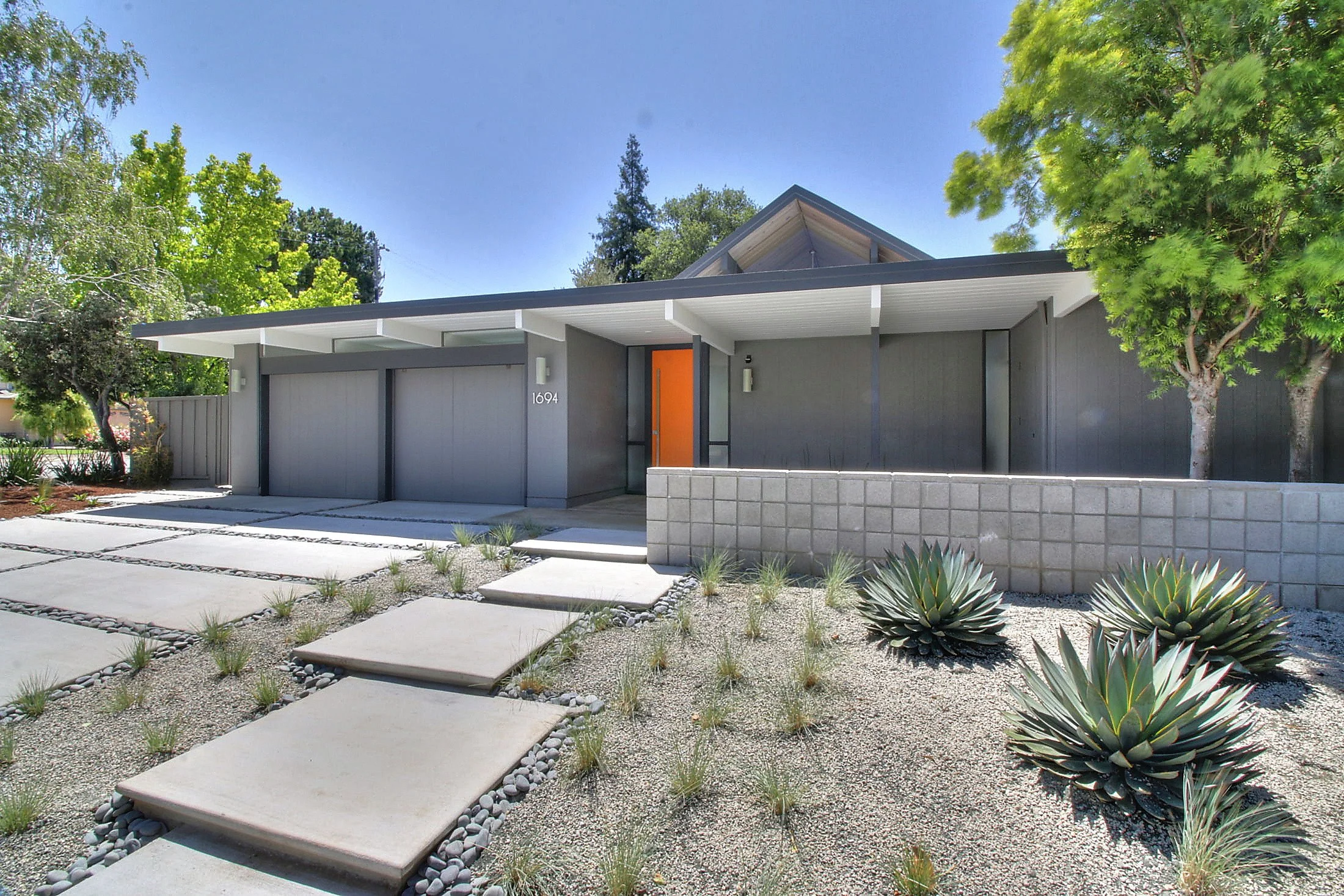
Few features define a 1950s or 1960s Eichler quite like hydronic radiant floor heating—and few systems trigger more buyer anxiety during escrow. Copper or steel tubing embedded directly in the concrete slab delivers silent, dust-free warmth, yet after 60+ years, pinholes, mineral scaling, and aging boilers force owners to make a critical decision: repair the original slab loops, or convert to a modern heat pump system?
For Silicon Valley homeowners and buyers, the right call depends on pipe metallurgy, loop pressure tests, and how local appraisers value comfort upgrades.
1. Copper vs. Steel Slab Loops: Know What Is Under Your Feet
Joseph Eichler's earliest tracts (1950–1956) and many mid-1960s homes used copper tubing, while late-1950s tracts often relied on steel (wrought-iron) pipe due to Korean War copper shortages. Copper loops can frequently be spot-repaired or descaled if a single zone leaks, whereas corroded steel loops eventually suffer widespread pinholing. Before budgeting a remodel, order a nitrogen or hydrostatic pressure test on every manifold zone to separate isolated manifold valve leaks from true under-slab failures.
2. Repairing or Replacing the Boiler vs. Air-to-Water Heat Pumps
When slab loops hold steady pressure, upgrading an inefficient atmospheric gas boiler to a condensing combi-boiler or an electric air-to-water heat pump preserves authentic radiant comfort while cutting utility bills. Air-to-water heat pumps pair naturally with 200-amp electrical panel upgrades and rooftop solar, delivering year-round hydronic heating without burning natural gas—a major selling point for Peninsula and South Bay buyers.
3. Mini-Splits & Architectural Ductless Alternatives When Loops Fail
If multiple under-slab zones fail pressure testing, running new hydronic tubing over the slab raises floor heights and threatens Eichler door clearances. In that scenario, high-efficiency ductless mini-splits—or slim-ducted ceiling cassettes tucked cleanly between tongue-and-groove beams—provide both heating and rare Bay Area air conditioning without punching bulky soffits through post-and-beam ceilings.
4. Resale Value & Disclosure Strategy
Buyers pay a premium for transparent mechanical records. Documenting pressure-test PSI readings, manifold replacements, or heat-pump permits turns a common inspection red flag into a verified asset at resale.
Bring Your Eichler Questions
Whether you're evaluating radiant heating on a potential purchase or planning an electrification upgrade before listing, the Property Nerds® and Next Gen Agents at the Boyenga Team are ready to guide your next move.