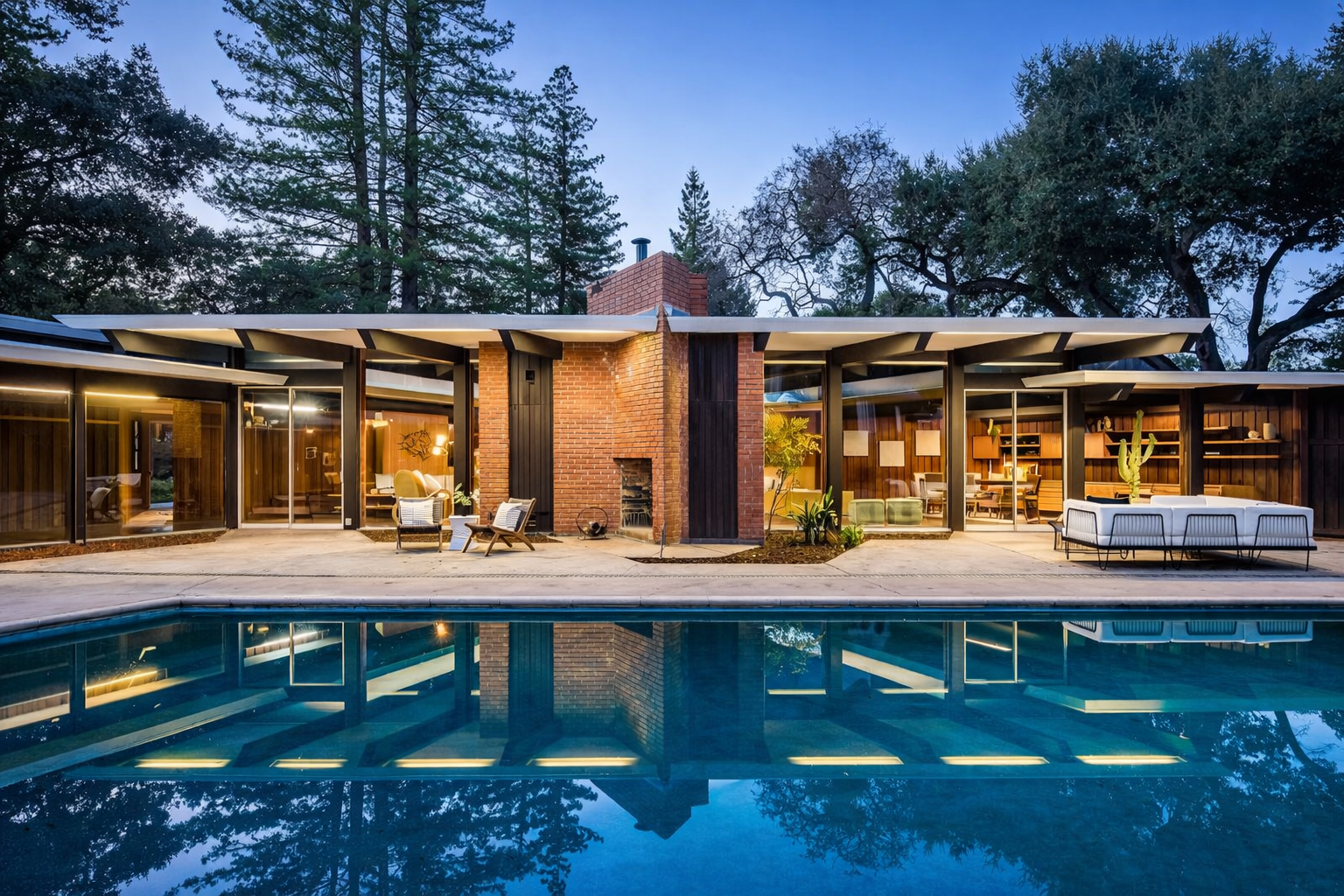
In a post-and-beam home, the structure is already part of the architecture. Exposed beams define the ceiling, posts organize the glass, and the roof deck may also be the finished interior surface. That makes seismic strengthening a design problem as well as an engineering one. This Property Nerd field guide introduces the Load-Path/Sightline Matrix, five Retrofit Visibility Classes and a 40-point Structural Restraint Score to help owners evaluate roof diaphragms, shear walls, moment frames, beam-to-post connections, post bases, radiant slabs, carports, atriums, clerestories and additions without accepting avoidable visual damage. It also explains why visible hardware is not a complete retrofit, how to document concealed work and how the Boyenga Team uses Compass-powered workflows to build a credible structural and architectural property story.
Read MoreAn oversized sofa can reduce a mid-century room’s perceptual square footage without moving a wall. This Property Nerd guide explains how furniture footprint, depth, back height, glass-wall obstruction and circulation geometry affect spaciousness—then introduces a 20-point Furniture-Scale Pressure Score for buyers, sellers and stagers.
Read MoreNestled among Atherton’s mature oaks, 19 Irving Avenue is a 5-bedroom, 5.5-bath, 3,700-square-foot Eichler home that was custom-built for Joseph Eichler in 1951. This pristine mid-century modern estate, offered for the first time in six decades, features an open V-shaped floorplan, walls of glass and a redwood-clad post-and-beam design – the very innovations Eichler later introduced throughout Northern California.
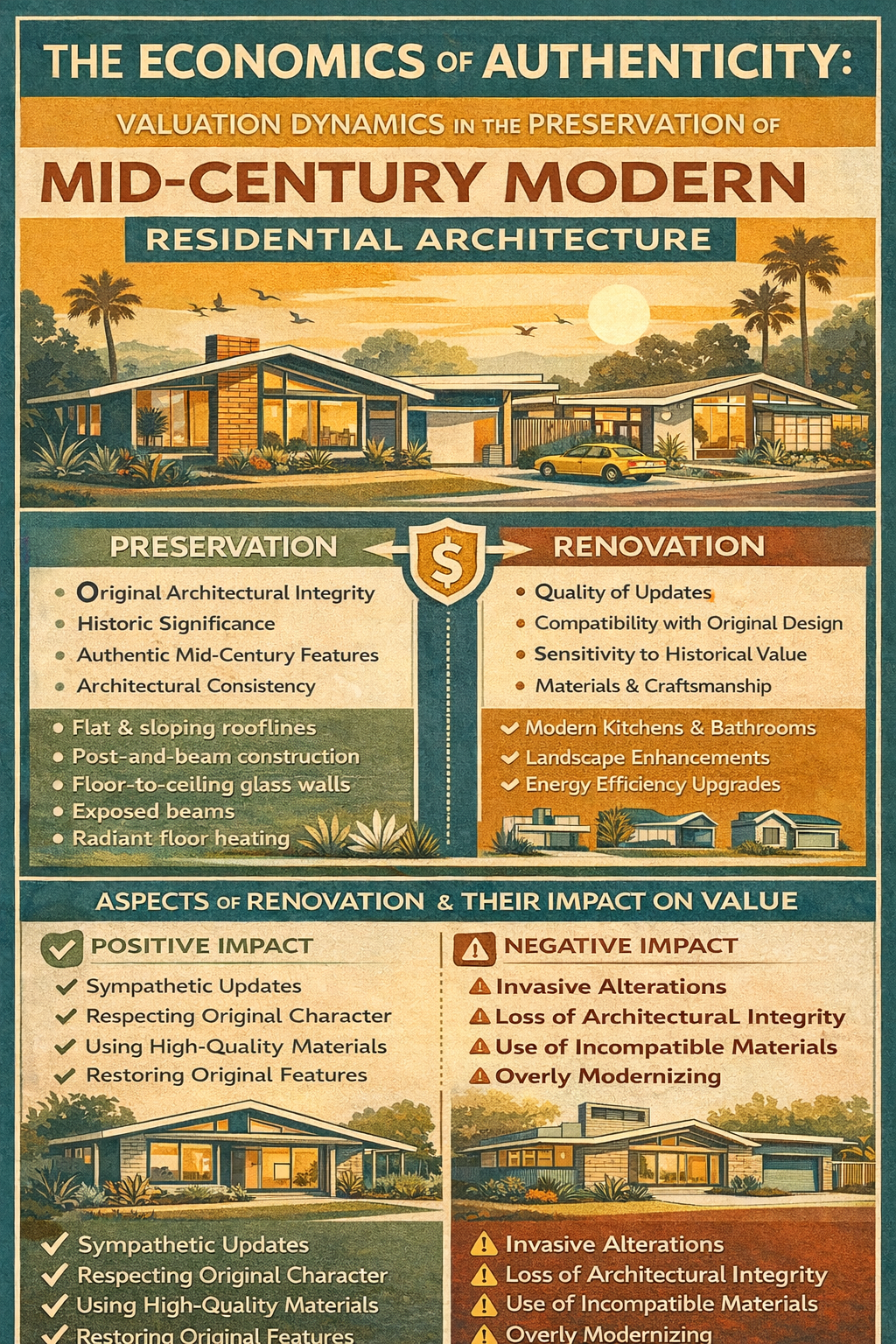
Read MoreIn the mid-century modern housing market, value is not created by generic upgrades but by architectural integrity. For Eichler and other architecturally significant homes, buyers consistently pay premiums for preserved originality and architecturally aligned renovations—while penalizing “remuddled” homes that erase the original design intent. Authenticity, not novelty, is the most powerful driver of long-term value.
Read MoreMountain View’s 94043 ZIP code epitomizes Silicon Valley living. Our 20-page deep dive covers its history (from Spanish ranchos to tech boom), community profile (demographics, schools, culture), lifestyle highlights (Shoreline Park, Castro Street dining), and real estate trends (mid-century Eichler homes, market stats). We spotlight luxury agents Eric & Janelle Boyenga (Compass) and their innovative approach to buying and selling in this high-end, tech-centric neighborhoodmountainview.govzillow.com.
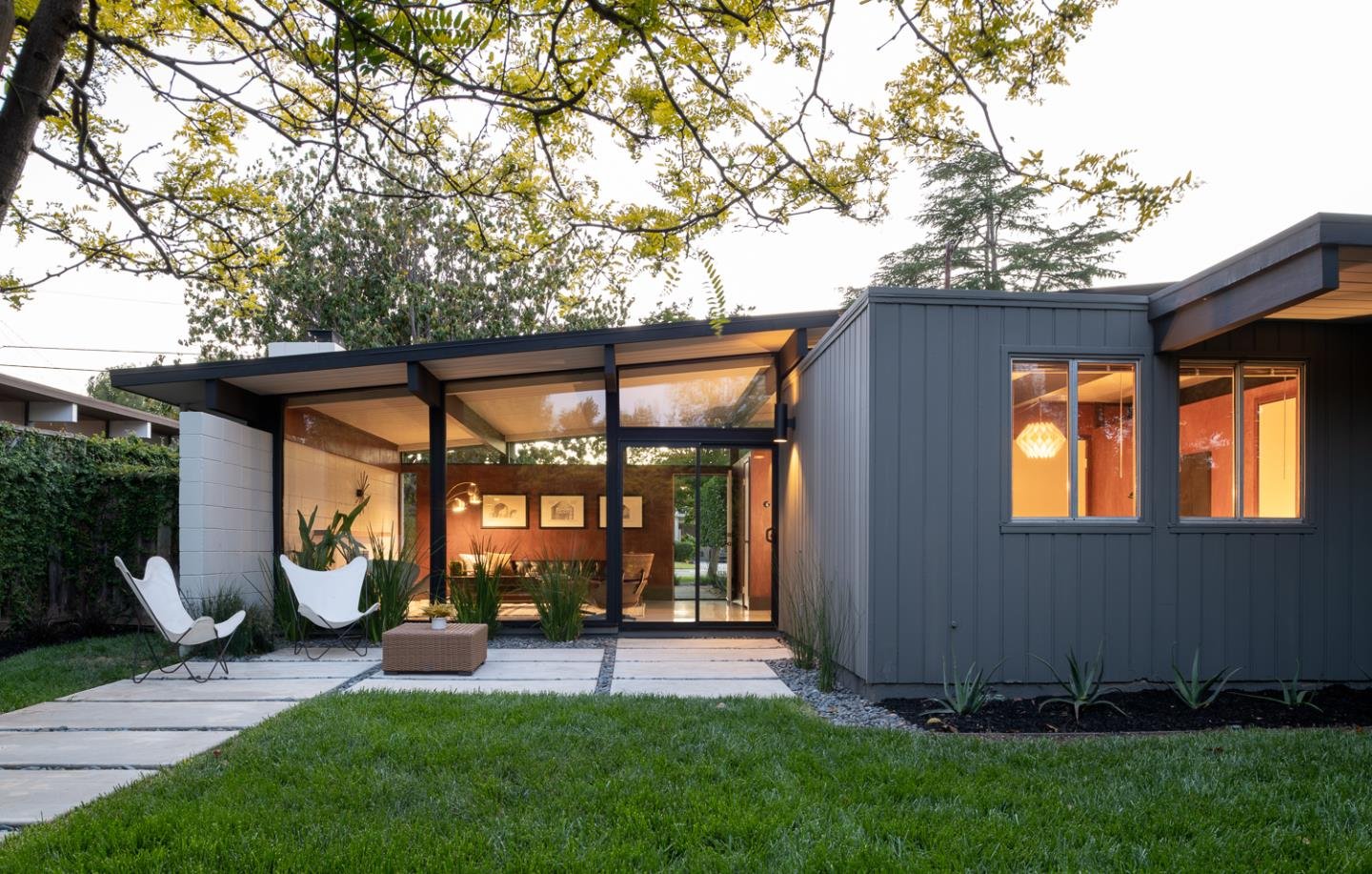
Read MoreIn Sunnyvale’s coveted Rancho San Miguel enclave, mid-century modern Eichler homes grace wide, tree-lined streets – a harmonious blend of iconic design and Silicon Valley lifestyle. Floor-to-ceiling glass walls, open-beam ceilings, and indoor-outdoor atriums define these architectural gems, while spacious lots and top-rated schools add practical allure. It’s a neighborhood where modernist luxury meets community charm, all expertly showcased by Silicon Valley’s Eichler specialists, the Boyenga Team.
Read MorePalo Alto’s 94306 is a vibrant blend of historic neighborhoods, world-class schools, and iconic Eichler architecture. From Barron Park’s community spirit to Stanford Research Park’s innovation, this enclave offers a unique mix of lifestyle, stability, and investment value—making it one of Silicon Valley’s hidden gems.
Read MoreCupertino’s Fairgrove Eichler neighborhood seamlessly blends mid-century modern charm with Silicon Valley’s top-ranked schools. Tree-lined streets of iconic Eichler homes offer floor-to-ceiling glass and open-air atriums, all within a community that guarantees an elite K-12 education. It’s a rare enclave where design-driven living meets academic excellence – the perfect fusion of architectural flair and family-friendly appeal.
Read MoreEichler homes require expert care. From flat roofs to glass walls, discover Bay Area architects, remodelers, and contractors who specialize in Eichler-friendly renovations — and how the Boyenga Team connects clients with the best Eichler resources.
Read More“Eichler’s atriums weren’t just architectural statements—they were Cold War sanctuaries. In an era marked by nuclear anxiety and postwar optimism, Joseph Eichler offered glass-walled openness buffered by protective privacy. His homes married efficient design with democratic ideals, creating modernist havens that reflected both the fears and freedoms of mid-century America.”
Read MoreWhat makes an Eichler unmistakably modern, timeless, and coveted by design lovers? From post-and-beam framing to iconic atriums and radiant heat, this guide breaks down the 10 architectural “genes” that define the Eichler legacy—and continue to shape the DNA of modern home design today.
Read More"Has your Eichler lost its soul? Whether the paneling was painted over or the post-and-beam lines were erased in a clumsy renovation, this guide shows you how to reclaim mid-century magic—from globe pendant lighting and mahogany walls to curated color palettes and iconic landscaping—so your home channels the timeless vision of Joseph Eichler."
Read MoreFrom butterfly roofs to breeze blocks and tongue-and-groove ceilings, this definitive glossary decodes 100+ must-know mid-century modern design terms. Whether you're buying your first Eichler or just geeking out on post-and-beam perfection, MCM University is your essential guide to understanding—and appreciating—what makes these homes iconic.
Read MoreDesigning your Eichler interior around mid-century modern icons like the Eames Lounge, Noguchi Table, or Nelson Bench is more than styling—it’s architecture-aware curation. Learn how to reverse-engineer your layout, honor scale and sightlines, and create timeless living spaces that blend design pedigree with everyday comfort.
Read More“Move beyond the Eames and Neutra—this deep dive highlights ten under-recognized residential architects who helped define mid-century modernism. From Ralph Rapson’s Case Study optimism to Cliff May’s California Ranch and Paul László’s design-build luxury, these forgotten figures reshaped American housing and still influence today’s architectural language.”
Read More"In Eichler homes, small design decisions make a big impact. From light fixtures to switchplates, the wrong detail can disrupt the architectural rhythm—while the right one preserves mid-century modern harmony. Every knob, vent cover, and number should speak the language of the home’s design DNA."
Read MoreFrom iconic escutcheons to flush cabinet pulls, original Eichler hardware isn’t just functional—it’s a collector’s blueprint to mid-century modern design. Preserving these authentic details adds architectural value, boosts resale, and keeps the Eichler spirit intact. Here’s how to identify, restore, and source the real deal.
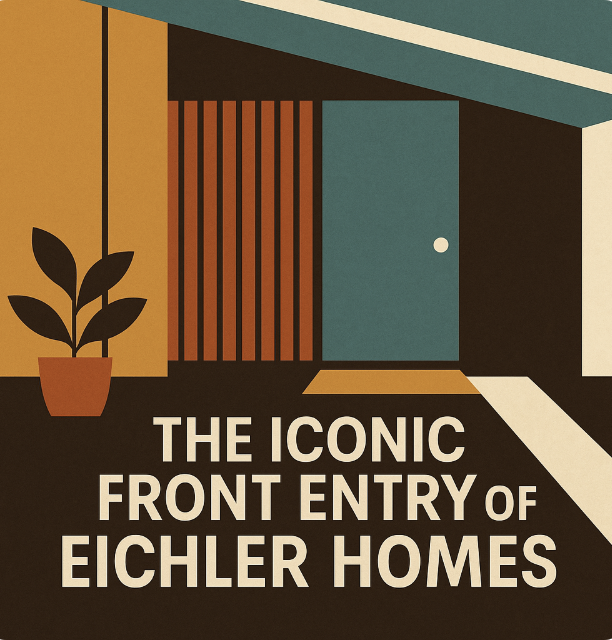
Read More"Eichler entryways aren’t just design features — they’re emotional experiences. From bold door colors to serene atriums and organic materials, every detail was crafted to create balance, welcome, and calm. The moment you step through an Eichler’s iconic front door, you feel the difference — openness, shelter, and timeless style converge in one unforgettable arrival."
Read MoreTrue Eichler design isn’t just about the bones—it’s about the soul. From geometric symmetry and honest materials to indoor-outdoor flow and warm modern palettes, these five principles define authentic mid-century style. Whether buying or selling, knowing these rules—and what breaks them—can mean the difference between a design classic and a costly mistake.
Read MoreUpdating an Eichler bathroom is all about balance—honoring its mid-century roots while upgrading for modern comfort. From terrazzo tile and floating vanities to warm wood accents and globe lighting, this guide shows how to design a functional, stylish space that feels like it belongs in an Eichler. Clean lines, smart storage, radiant heat-friendly flooring, and the right lighting can preserve the architectural soul while adding real value.
Read More