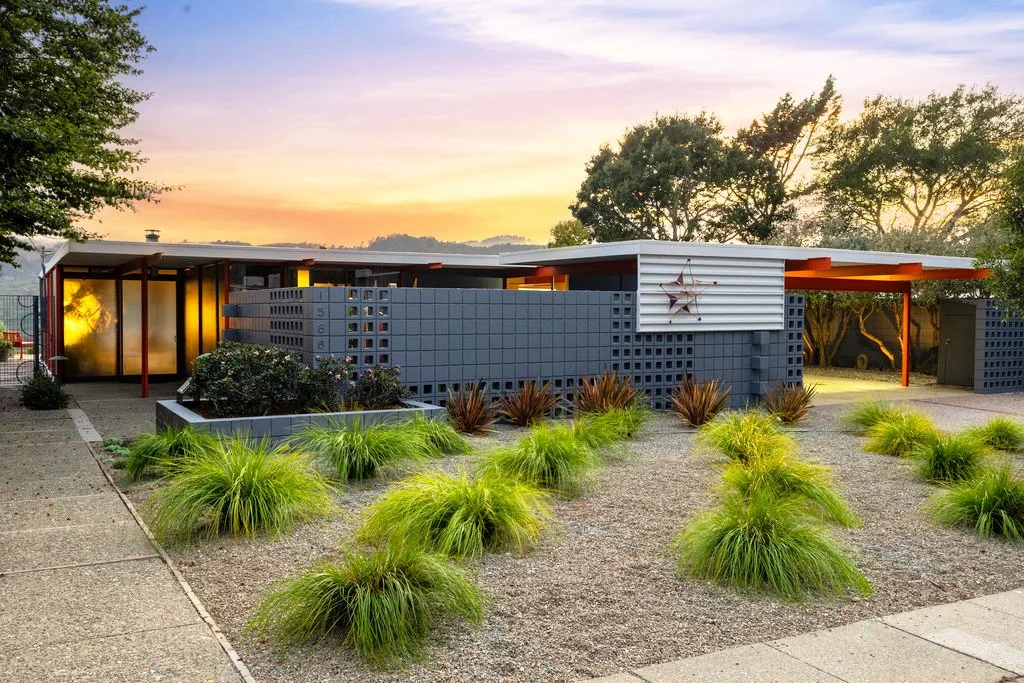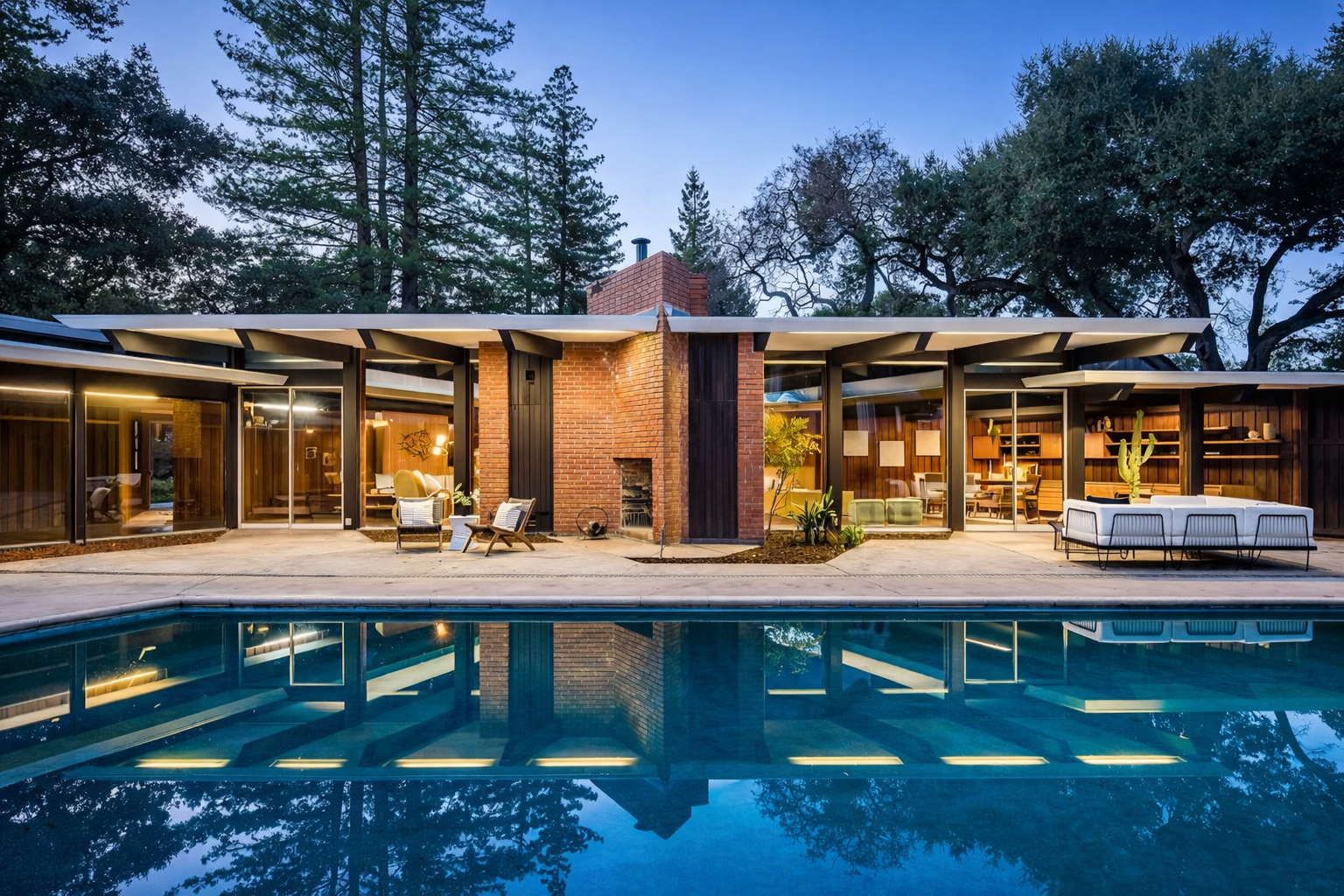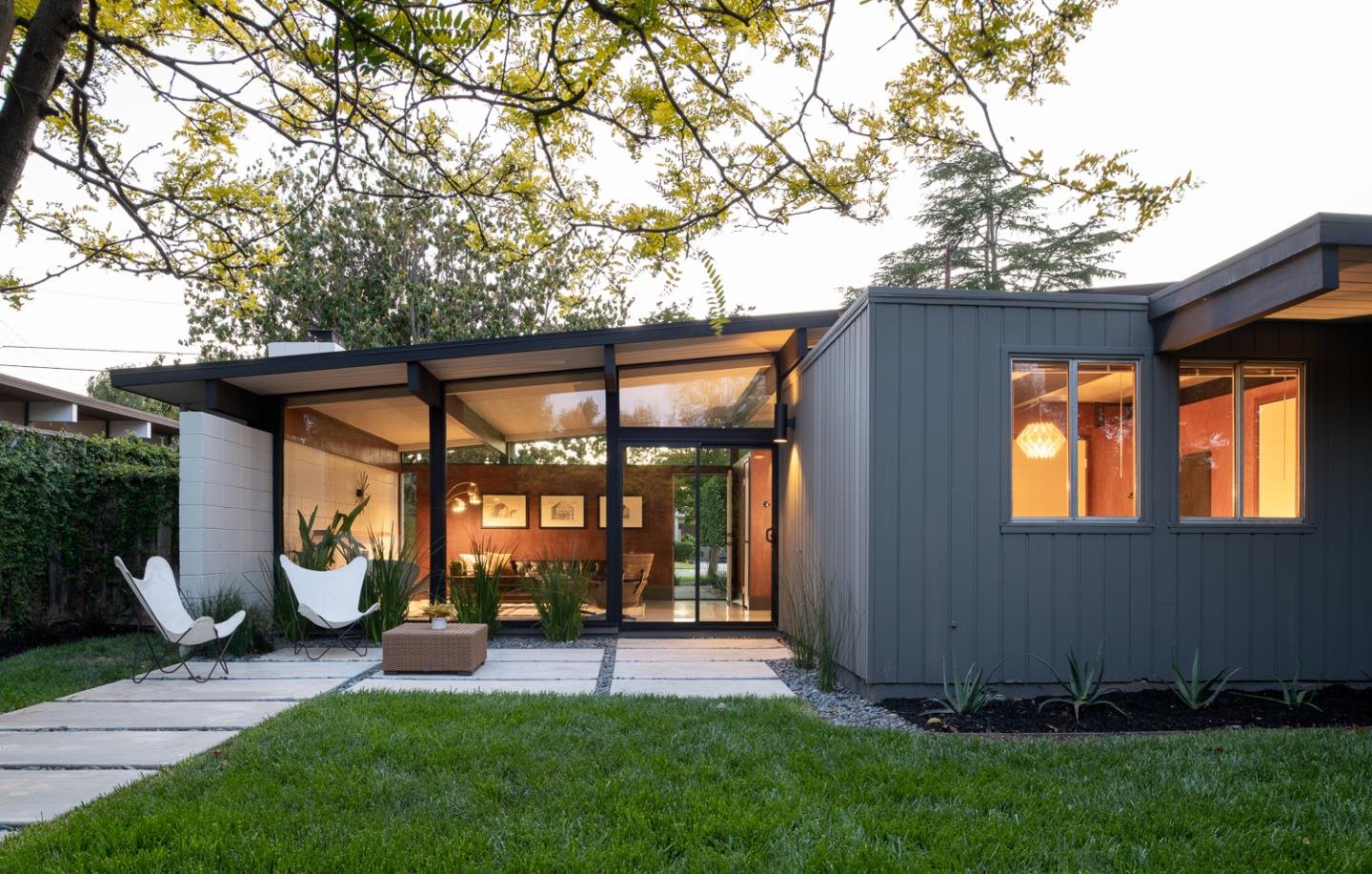
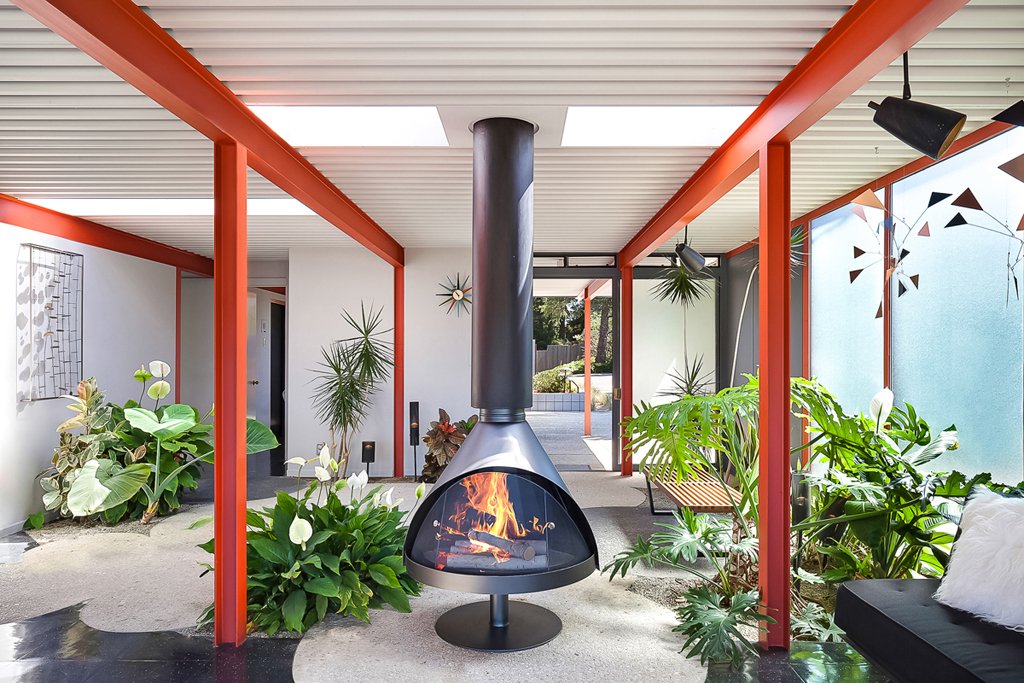
The Eichler X-100 turns 70 on October 6, celebrating seven decades of forward-thinking design, steel-framed innovation, glass, light, landscape, and California modernist vision. Now returning to market, this one-of-one San Mateo Highlands prototype offers a rare opportunity to become the next steward of Eichler’s legendary “house of the future.”
Read MoreOn October 6, 1956, Joseph Eichler opened a steel-framed experiment called the X-100, and 150,000 people came to see it. Seventy years later, the "house of tomorrow" is a National Register landmark, and it's for sale.
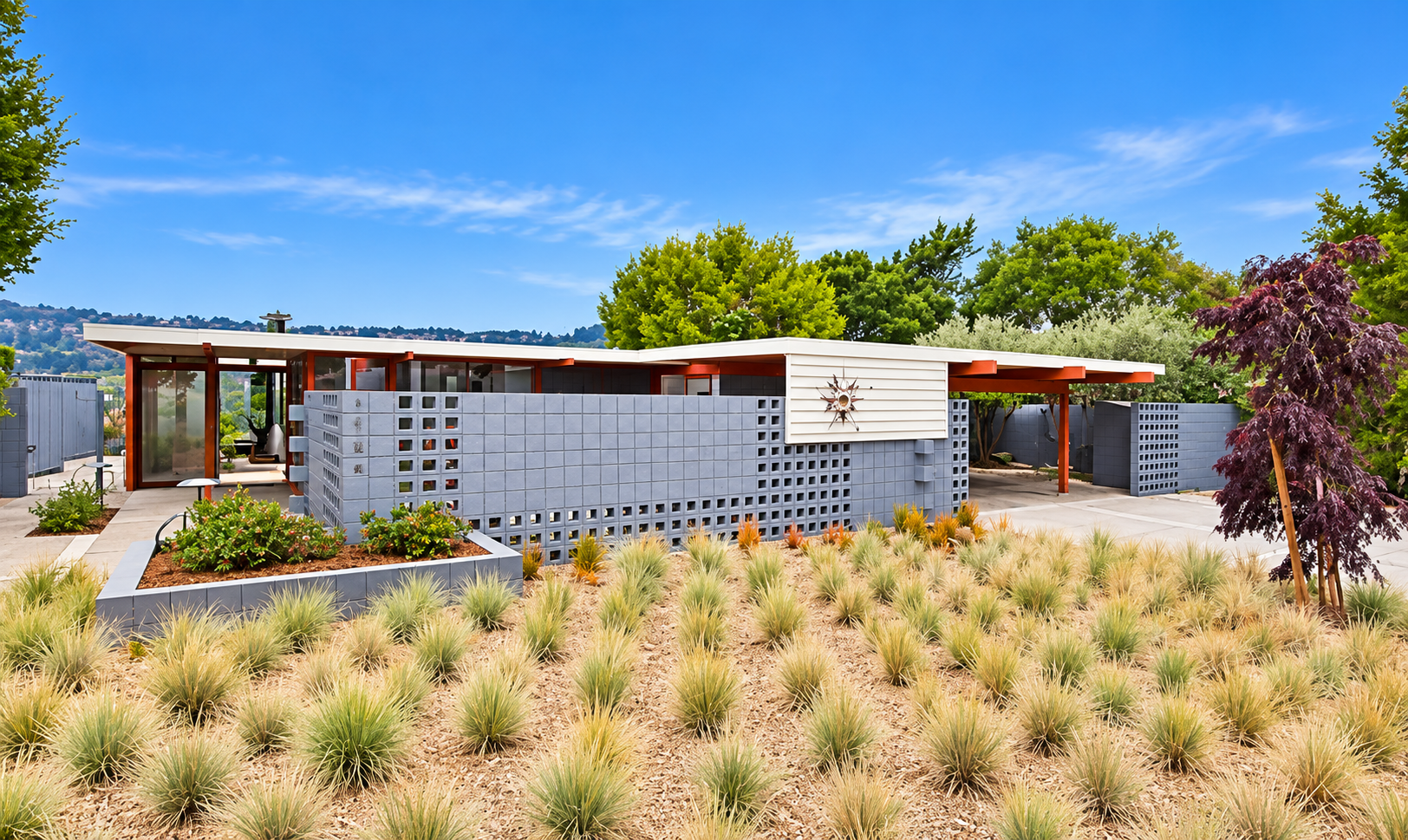
Read MoreFrom the Frank Lloyd Wright house that made him a modernist to the steel-framed X-100, this is the full story of Joseph Eichler — told through his own first home in Atherton and his most daring experiment in San Mateo, and the Boyenga Team trusted with both. A data-forward look at how history shapes what an Eichler is worth today.
Read MoreSome architects leave behind landmarks. William Krisel left behind neighborhoods people still compete to buy into.
While many architects focused on custom homes for wealthy clients, Krisel transformed California housing by bringing Modernism to everyday families. His butterfly roofs, walls of glass, indoor-outdoor living spaces, and innovative tract communities helped define the California Dream and continue to influence buyer preferences more than half a century later.
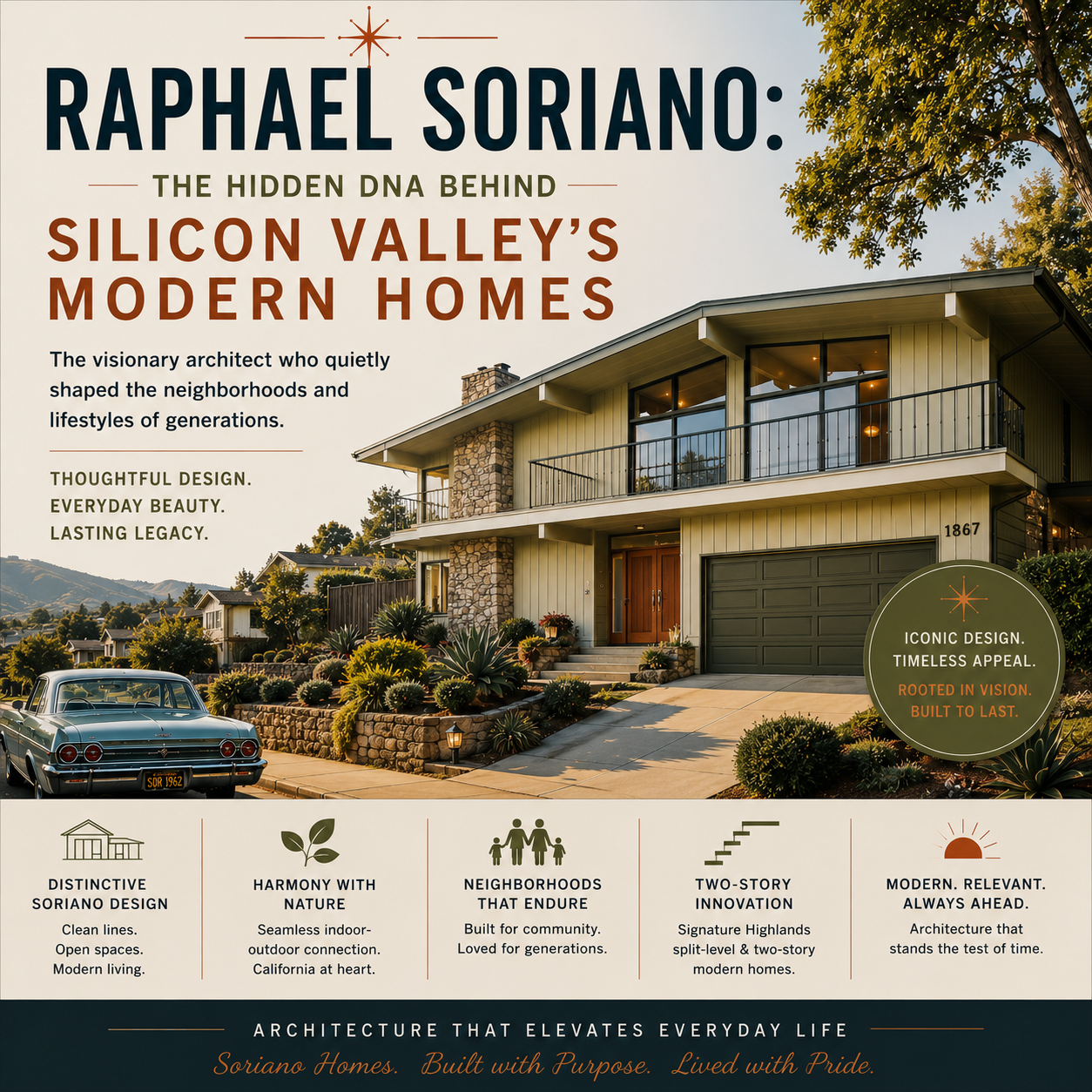
Read MoreMost Silicon Valley homeowners have never heard of Raphael Soriano, yet many of the architectural features buyers value most today can be traced back to the ideas he helped pioneer. Long before open floor plans, indoor-outdoor living, walls of glass, and modern luxury design became mainstream, Soriano was exploring how architecture could better respond to light, landscape, technology, and human experience. His influence extends far beyond the homes he designed, shaping the architectural DNA of Eichler neighborhoods, California modernism, and many of the most desirable Mid-Century Modern homes throughout Silicon Valley. Understanding Raphael Soriano is ultimately about understanding how California learned to live modern.
Read MoreNestled among Atherton’s mature oaks, 19 Irving Avenue is a 5-bedroom, 5.5-bath, 3,700-square-foot Eichler home that was custom-built for Joseph Eichler in 1951. This pristine mid-century modern estate, offered for the first time in six decades, features an open V-shaped floorplan, walls of glass and a redwood-clad post-and-beam design – the very innovations Eichler later introduced throughout Northern California.
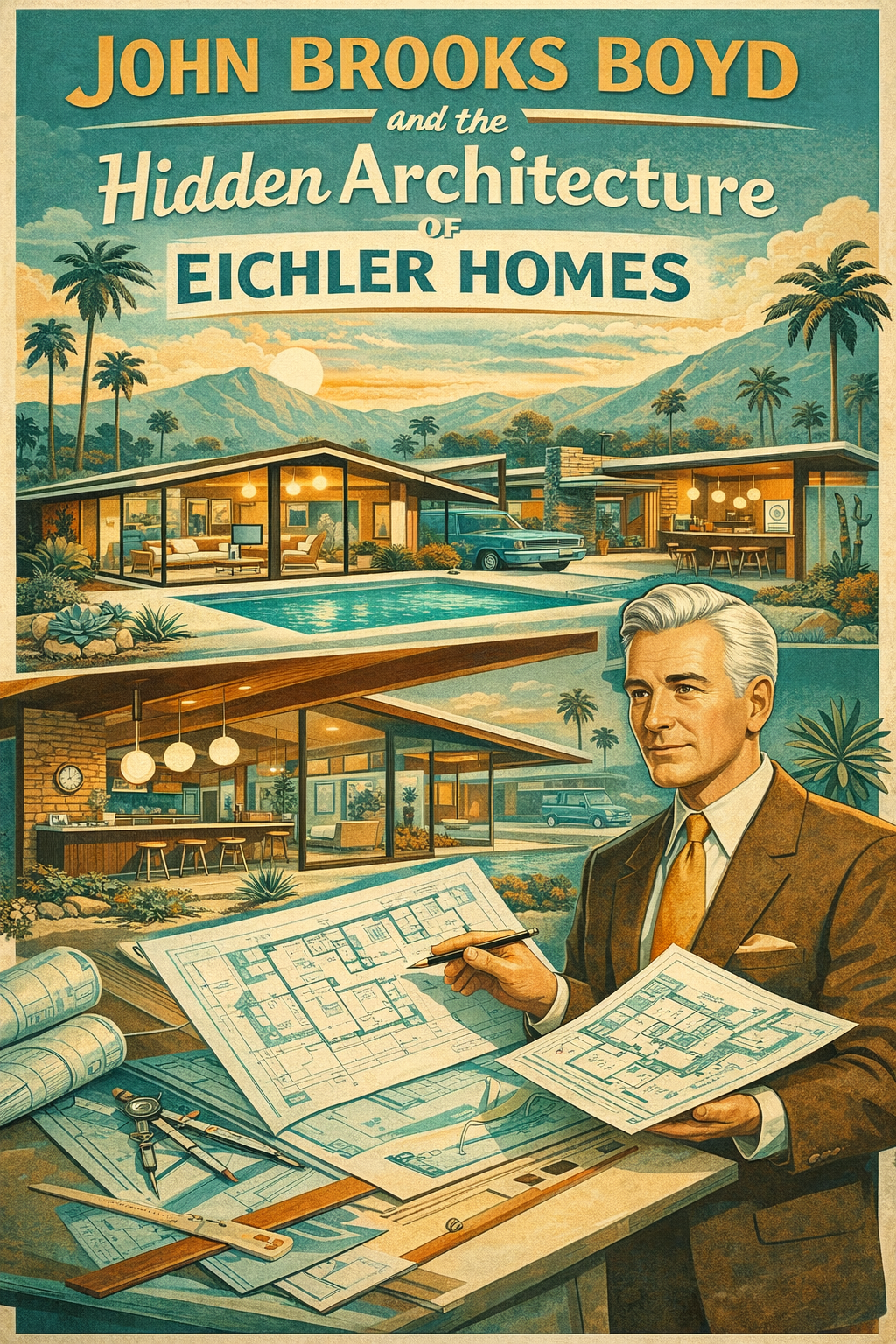
Read MoreJohn Brooks Boyd’s work reveals how modernist systems survive when ideal conditions disappear. Operating quietly within the Eichler organization, Boyd adapted architectural logic to sites, regulations, and environmental constraints without diluting the principles that defined Eichler Homes. His legacy is not one of authorship, but of continuity—demonstrating that the true resilience of mid-century modernism lies not in repetition, but in intelligent adaptation.
Read MoreEichler homes endure as more than mid-century modern icons—they function as cultural archetypes that embody American ideals of openness, optimism, reinvention, and harmony with nature. Through glass walls, atriums, and radical inclusivity, Joseph Eichler created not just houses but a mythic vision of modern living where transparency, community, and progressive design shape daily life. Stepping into an Eichler feels like entering a space where architecture and aspiration meet, offering a timeless, deeply emotional connection that continues to captivate new generations.
Read MoreBehind the clean lines of an Eichler home lies a world of mathematical precision. From modular post-and-beam grids to harmonically proportioned atriums and sun-calculated roof overhangs, Eichler design is a masterclass in geometry and balance. This deep dive reveals the hidden mathematical logic that creates the calm, intuitive harmony owners feel—and rarely realize is engineered into every beam, bay, and void.
Read MoreEichler homes may be rooted in the 1950s, but their design philosophy feels tailor-made for 2025 Silicon Valley. With open layouts, walls of glass, natural light, and indoor-outdoor harmony, these mid-century masterpieces deliver exactly what modern homeowners crave—calm, clarity, connection, and human-centered design. In a world overwhelmed by noise and technology, Eichler’s timeless principles of flow, simplicity, and wellness offer a blueprint for living better today. Silicon Valley buyers aren’t just purchasing architecture; they’re seeking a lifestyle, a sense of balance, and a home that truly nurtures them. Eichler understood that in 1955—and his legacy is shaping how we live in 2025.
Read More“Though separated by sixty years and radically different scales, Eichler homes and Apple Park share the same architectural DNA: transparent glass walls that dissolve boundaries, nature-centered layouts, and modular design logic built around human wellbeing. Together, they reveal a continuous Silicon Valley design lineage—from mid-century modern optimism to today’s tech-driven innovation.”
Read MoreEichler homes were built not just by celebrated architects, but by Japanese-American craftsmen rising from internment, European modernist émigrés escaping war, and immigrant laborers whose skill and resilience shaped California’s most iconic mid-century neighborhoods. Behind every glass wall and post-and-beam roof is a human story of hope, diversity, and reinvention.
Read More“Eichler homes have evolved from mid-century modern experiments to the unofficial architecture of Silicon Valley’s creative class. With their glass walls, open plans, and indoor–outdoor flow, they embody the same spirit of innovation, inclusivity, and forward-thinking design that defines the region’s tech culture. Today’s engineers, founders, and creatives choose Eichlers not just as homes, but as symbols of authenticity, originality, and the California modern lifestyle.”
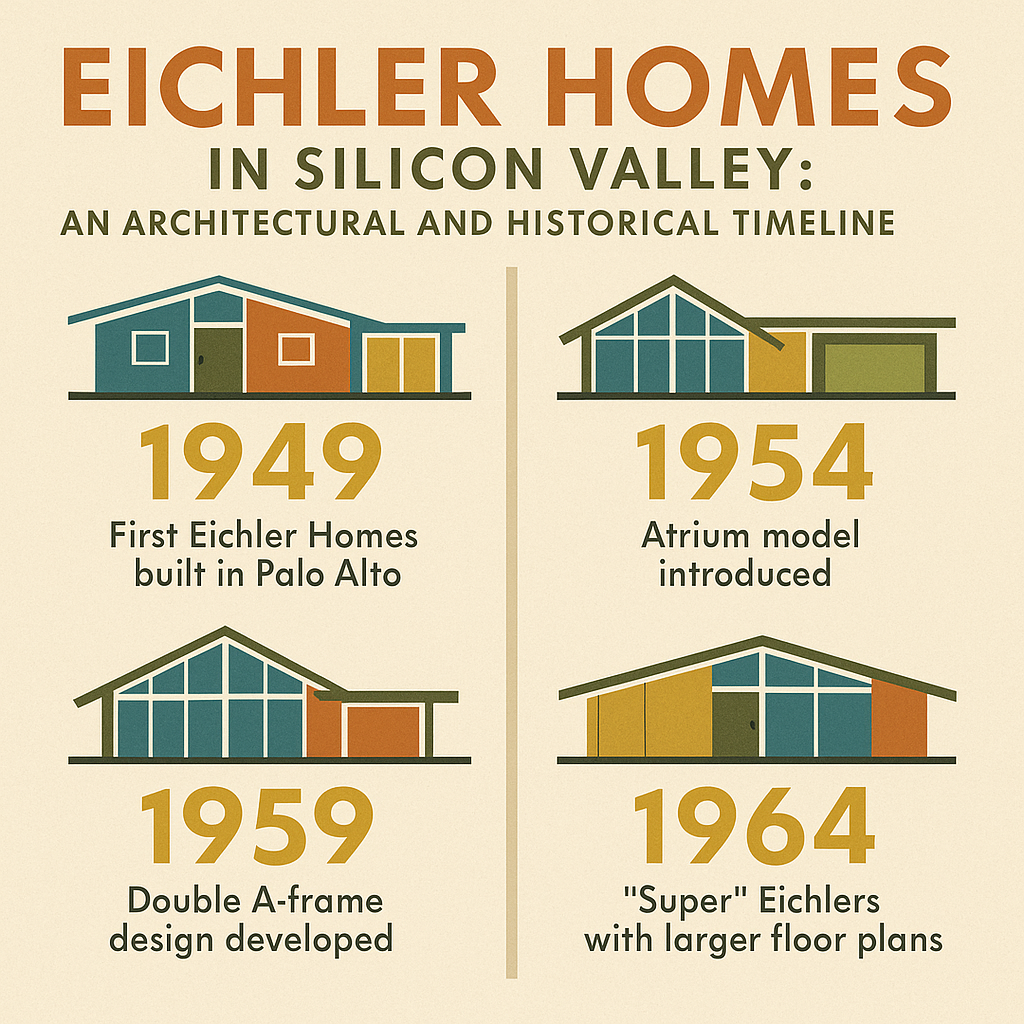
Read MoreSilicon Valley’s architectural story is a journey from the orchard-filled “Valley of Heart’s Delight” to the glass-walled modernism of Joseph Eichler’s iconic mid-century neighborhoods. These communities introduced bold design, social inclusivity, and a new way of living that still resonates today. This timeline traces the region’s transformation through boom years, cultural shifts, preservation battles, and the renewed appreciation for Eichler homes in the modern tech era. It’s an essential narrative for architecture fans, preservationists, and anyone curious about Silicon Valley’s domestic history.
Read More“Eichler’s atriums weren’t just architectural statements—they were Cold War sanctuaries. In an era marked by nuclear anxiety and postwar optimism, Joseph Eichler offered glass-walled openness buffered by protective privacy. His homes married efficient design with democratic ideals, creating modernist havens that reflected both the fears and freedoms of mid-century America.”
Read More“More than just modern homes, the Eichler neighborhoods of Greenmeadow, Green Gables, and Charleston Meadows were designed as a living blueprint for suburban idealism — where architecture, inclusion, and community coexisted in harmony. Today, they remain some of the most cherished and architecturally significant enclaves in Palo Alto, attracting buyers who value design, walkability, and timeless modernism.”
Read MoreLong before fair housing laws existed, Joseph Eichler quietly integrated California suburbs—selling homes to buyers of all races and standing firm against segregation. His modernist vision wasn’t just architectural, it was ethical. Today, that legacy lives on through professionals like the Boyenga Team, who continue advocating for design-forward, inclusive neighborhoods.
Read MoreFrom a Ladera neighborhood dance party in 1966 to Jerry Garcia and Bob Weir’s early days in Palo Alto, the story of Eichler homes and the Grateful Dead is deeply intertwined with the cultural revolution of 1960s California. These modernist homes and psychedelic pioneers shared geography, ethos, and a love for openness, experimentation, and community.
Read MoreMid-century Eichler homes aren’t just relics of the 1950s – they’ve become icons of modern living. Discover how these California Modern masterpieces, with their open plans, glass walls, and zen-like indoor-outdoor vibe, sparked a nationwide obsession influencing today’s design, fashion, and wellness trends.
Read MoreAs Joseph Eichler’s first architects, Anshen + Allen created the blueprint for California Modern living—introducing open floor plans, post-and-beam construction, and indoor-outdoor harmony. Their iconic early Eichlers remain some of the most beloved mid-century homes today, expertly represented by the Boyenga Team at Compass, leading Eichler specialists in Silicon Valley real estate.
Read More