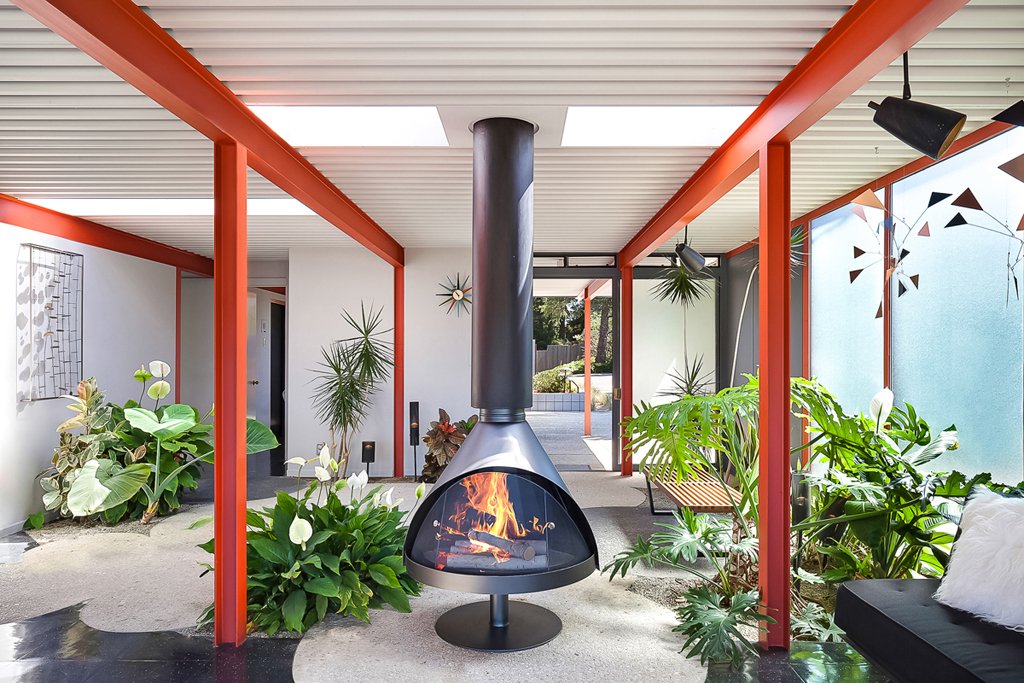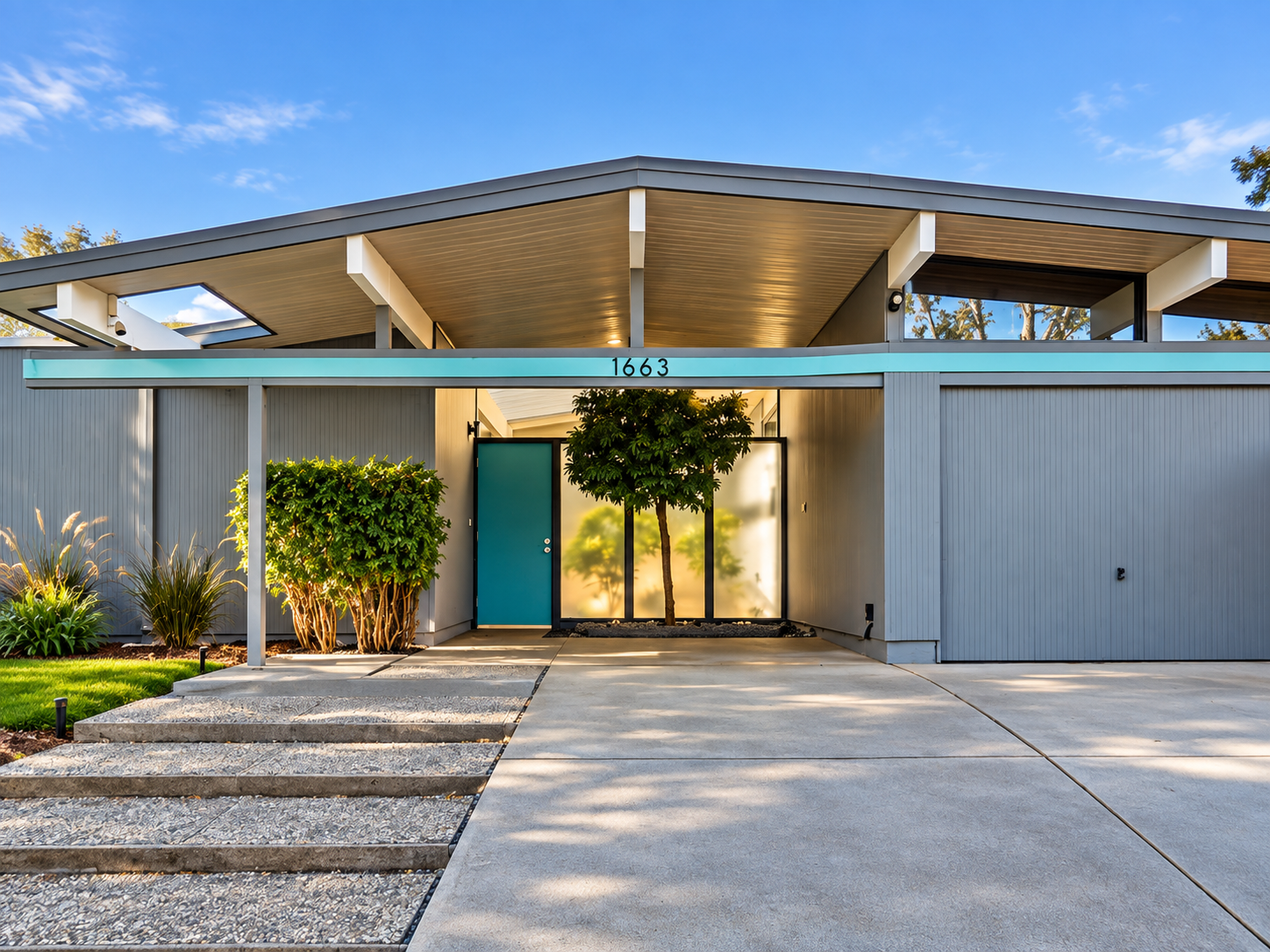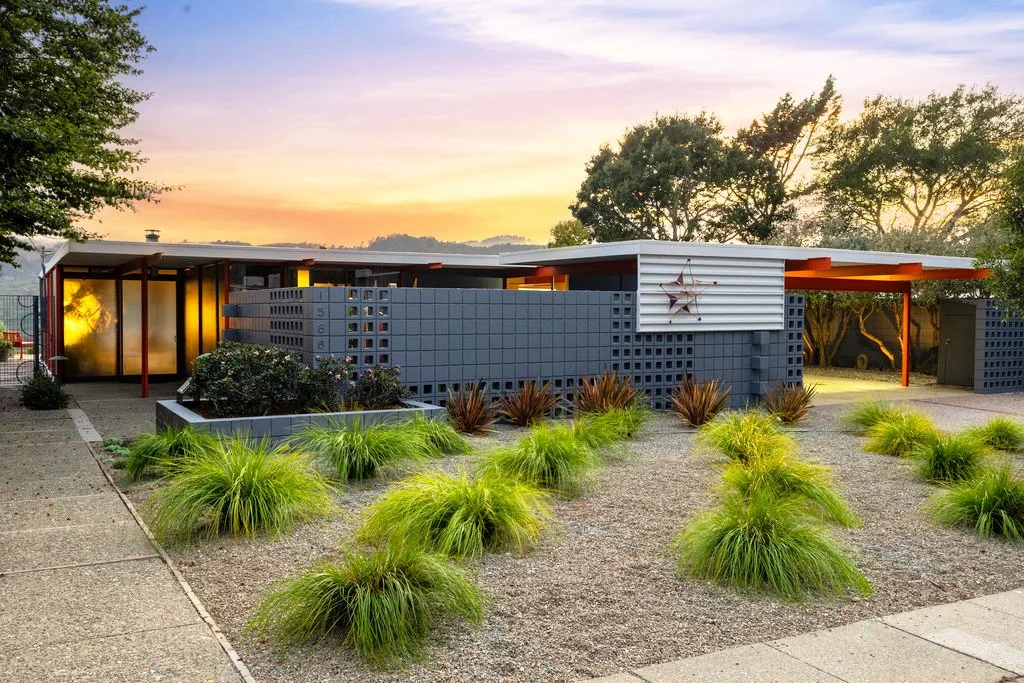

Light & privacy
Visit at different times of day. Compare glazing, atrium use, neighboring sightlines and how rooms connect to the yard.

We are here 24/7 to assist you with your Oakland Eichler Home Buying and Selling needs.

Oakland, a vibrant city located in the heart of the San Francisco Bay Area, holds a rich history and diverse cultural fabric that has shaped its identity over the years. Founded in 1852 as a transportation hub during the California Gold Rush, Oakland quickly evolved into a major urban center with its strategic port attracting industries and immigrants. The city's growth was accompanied by a diverse population, who played a significant role in shaping Oakland's cultural landscape.
Throughout its history, Oakland has been a hotspot for social and political activism. The Black Panther Party, founded in 1966, originated here, advocating for civil rights and equality for African Americans. The city has a long tradition of nurturing creative expression, with a thriving arts scene that embraces music, visual arts, and literature. Notably, the Fox Theater stands as a historic landmark that hosts a variety of performances, further contributing to Oakland's cultural renaissance.
In recent years, Oakland has become an attractive destination for tech companies looking to establish a presence outside of San Francisco's Silicon Valley. While not as synonymous with tech as its neighbor, Oakland has witnessed the emergence of several prominent technology companies. Companies like Pandora, the music streaming platform, and Ask.com, the search engine, have called Oakland their home. These companies, along with startups and small businesses, have contributed to the city's economic growth and job opportunities, diversifying its economic landscape beyond its historic reliance on shipping and manufacturing.
Moreover, Oakland's proximity to Silicon Valley has led to a spillover effect, with tech professionals and entrepreneurs seeking more affordable living options while maintaining easy access to the broader tech ecosystem. This influx of new residents has fueled the city's revitalization efforts, leading to the development of creative co-working spaces, innovation hubs, and community-driven projects that aim to bridge the gap between technology and social impact.
In conclusion, Oakland's history and culture, characterized by activism and artistic expression, have shaped its identity into a dynamic urban center with a distinct personality. As it continues to evolve, the city's tech sector is playing an increasingly important role, attracting companies and individuals seeking a unique blend of innovation, diversity, and community engagement.
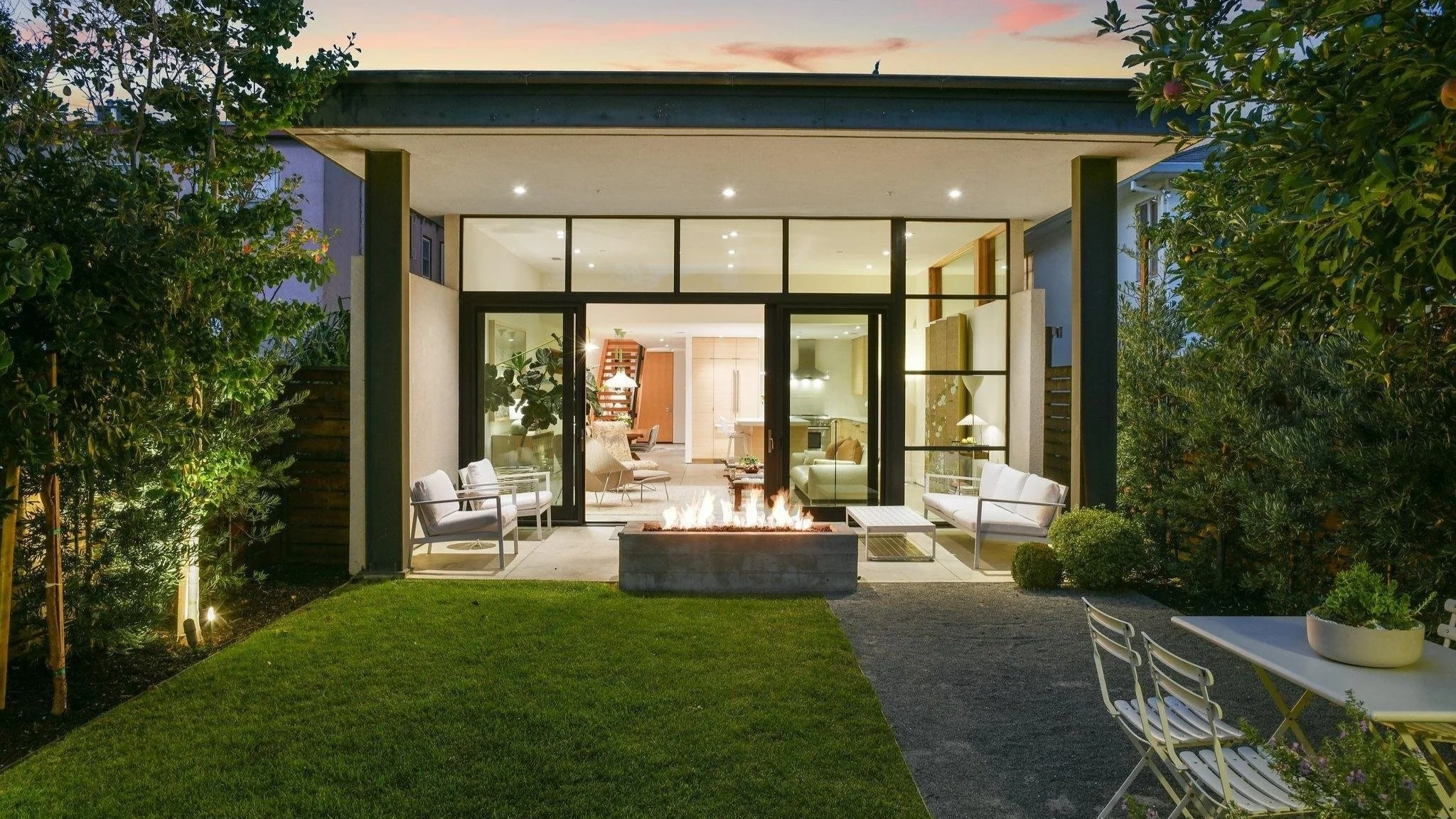
During the years 1965-1966, Joseph Eichler came to Oakland and began development of a new project: Sequoyah Hills, an Eichler homes development nestled within the scenic expanse of the Oakland Hills. Situated at the crossroads of Hansom, Shay, and Phaeton, this enclave of mid-century modern dwellings became a captivating addition to the city's architectural landscape.
The Sequoyah Hills Eichler tract, despite its relatively modest size, emerged as a testament to Joseph Eichler's visionary approach to housing. Comprising fewer than 50 homes, this development marked one of Eichler's smaller residential projects in Northern California. Yet, even on this smaller scale, the attention to detail and innovation that characterized Eichler's work was evident. Collaborating with architects Claude Oakland and Jones + Emmons, Eichler ensured that the neighborhood and its homes were meticulously planned to harmonize with the natural surroundings and capture the essence of mid-century modern design.
Within Sequoyah Hills, a diverse array of floorplans awaited potential homeowners, ranging from 3 to 5 bedrooms. The generously sized lots, measuring approximately 1/5 acre by Eichler standards, contributed to a sense of spaciousness and privacy in the community. Notably, a selection of Oakland Hills Eichler homes offered residents the privilege of gazing upon captivating views of the iconic San Francisco skyline, further enhancing the allure of the neighborhood.
Sequoyah Hills stands as a significant milestone in Joseph Eichler's legacy, being one of his final projects within the San Francisco Bay Area and the second of two of the only hillside developments in the East Bay. The homes within this development continue to resonate with contemporary sensibilities, as they incorporate features that remain highly sought after by present-day Eichler home enthusiasts. Open atriums, innovative in-floor radiant heating with copper pipes, and the distinctive lines of modern pitched rooflines exemplify the forward-thinking design elements that are quintessential to Eichler's creations. The incorporation of Philippine mahogany, drywall, and metal closet doors adorned with grass paper showcases Eichler's dedication to using materials that reflect the era's aesthetic.
In conclusion, the history of Eichler homes in Oakland, epitomized by the Sequoyah Hills development, tells a story of innovation, design excellence, and the enduring appeal of mid-century modern architecture. The legacy of Joseph Eichler lives on through these homes, reminding us of a time when architectural exploration and artistic expression converged to shape the way people live and experience their surroundings.

The Neighborhoods within Neighborhoods…
Click below to learn about the various Eichler Tracts within the EIchler Nieghborhoods you love!
Read our everything-eichler blog! Dive into our comprehensive guide featuring detailed Eichler tracts and neighborhood insights, expert buying and selling tips, fascinating historical explorations, and the latest news and updates. This is your go-to destination for all Eichler.
Navigate through the “Listings” tab to filter through specific Oakland listings and view the Oakland map. Navigate through the “Open Home” tab to view virtual property tours, schedule in-person tours, and learn more about specific property details. Contact the Boyenga Team to assist you finding the Eichler home of your dreams!
Property Nerds® / Oakland Eichler homes
Discover Sequoyah Hills, a distinctive Oakland setting for Eichler architecture, open-air atriums and a close connection to the landscape.

An Oakland original
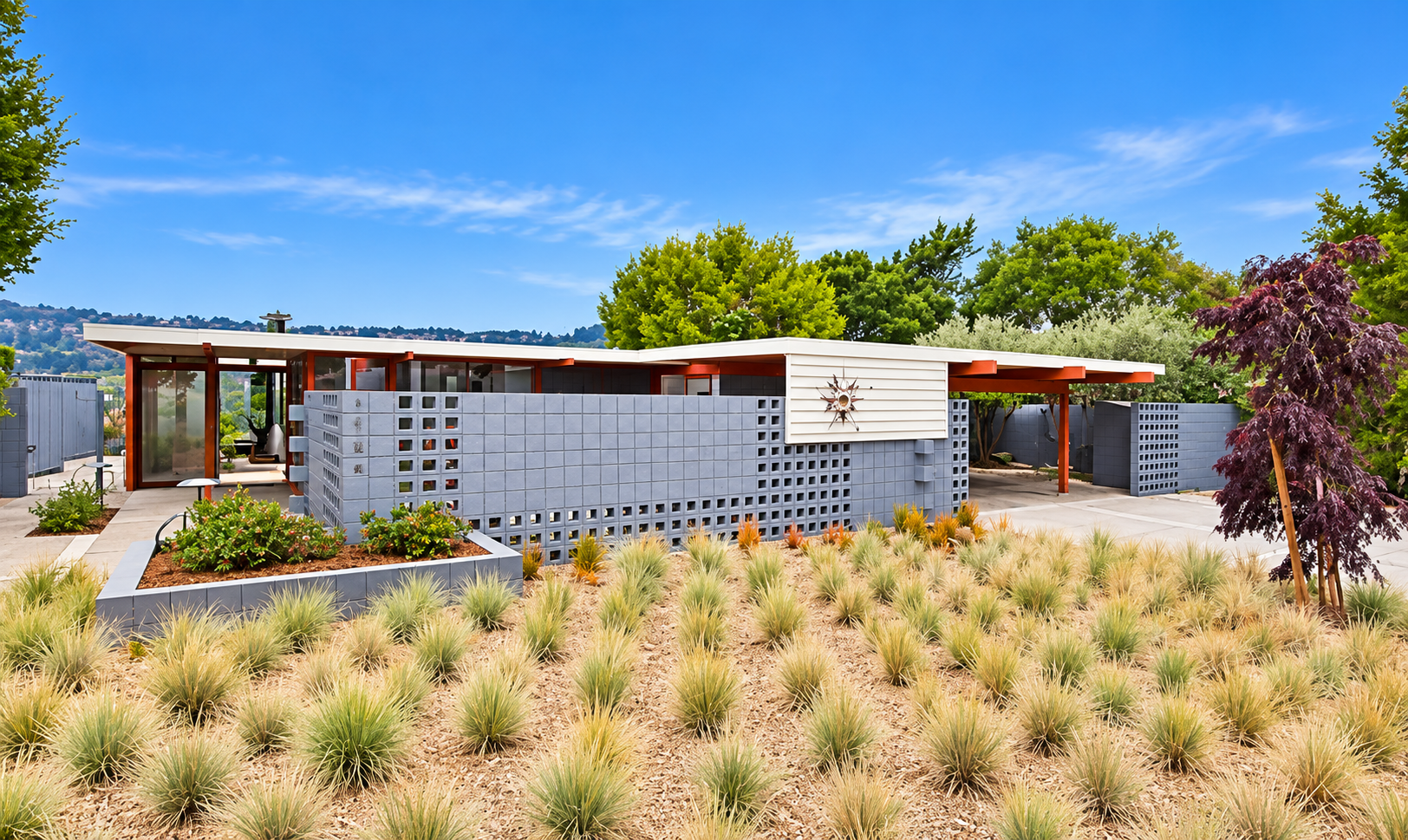
Oakland’s Eichler story centers on the mid-1960s homes of Sequoyah Hills. The setting gives familiar California-modern ideas—open living spaces, glass walls and indoor–outdoor circulation—a distinctive hillside context.
Compare individual houses rather than assuming every property shares the same plan, outlook or improvements. The wider neighborhood includes homes beyond the Eichler collection, and a contemporary remodel alone does not establish builder provenance.
Photo-property reference: 8081 Phaeton Drive listing archive ↗
Know what you are buying
Visit at different times of day. Compare glazing, atrium use, neighboring sightlines and how rooms connect to the yard.
Review drainage, retaining structures, roofs and building systems with qualified inspectors. Explore insurance availability early for the specific property.
Request permits, original plans where available, and current association documents. Verify applicable design-review requirements before planning exterior changes.
Oakland / Active & sold
These searches are filtered to Oakland and the MLS Eichler style field. Listing labels and feed coverage can be incomplete; verify each home’s architecture and current status. Sold results reflect records available through this feed, not every historical sale.
Ask us to check current Oakland opportunities and relevant sales directly. We can also curate nearby Eichlers and other documented mid-century modern homes, clearly identified by location and builder.
Request a curated Oakland search ↗For buyers
Tell us the locations, layout and architectural details that matter to you. We’ll help compare those priorities with condition and documented improvements.
Plan my Eichler search ↗For owners
Build the story around the architecture, neighborhood and improvement history. Start pricing with relevant comparable sales and the home’s individual condition.
Discuss my Eichler’s value ↗The Property Nerds approach
Review original plans, builder records and property-specific history. Modern styling or an MLS label is a starting point, not independent verification.
Compare daylight, privacy, circulation and the connection to outdoor space. Review roof, glazing and heating condition, documented additions and available permits with appropriate professionals.
Yes. We can curate documented mid-mod options alongside Eichlers while keeping the builder and architectural distinctions clear.
Floor-plan library ↗ · City guide library ↗ · Selling guide ↗
Beyond Oakland
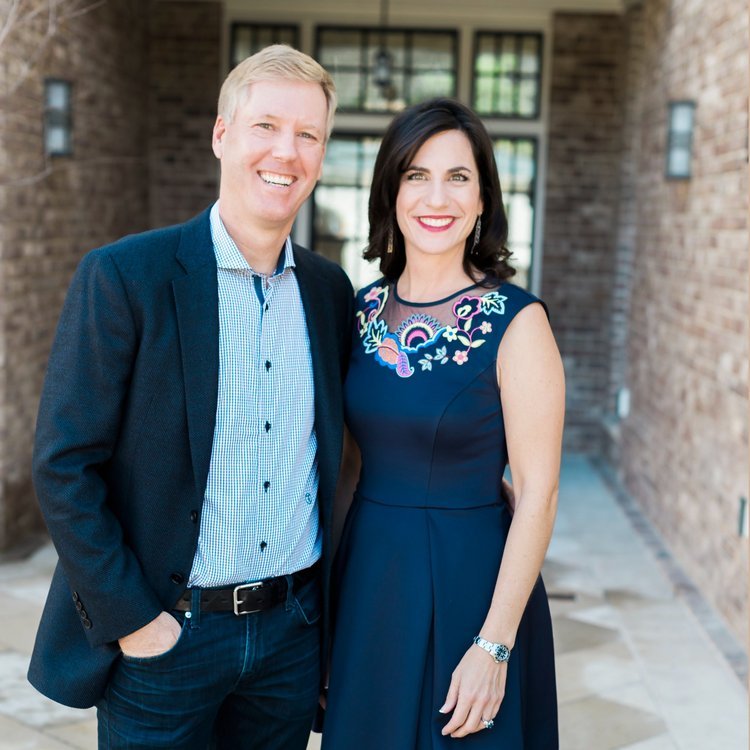
Eric & Janelle Boyenga / Property Nerds®
Share your preferred locations or the home you’re considering selling using the form below.
Email: homes@boyenga.com
Phone: +1(408) 373-1660
Search oakland listings
View featured listings
Read our Everything-Eichler blog! Dive into our comprehensive guide featuring detailed Eichler tracts and neighborhood insights, expert buying and selling tips, fascinating historical explorations, and the latest news and updates. This is your go-to destination for all Eichler.
Start with the questions behind the upgrade. Organize comfort observations, available records and architectural priorities for a professional Eichler energy assessment.
Look beyond “single-level” and trace the tasks that matter to you. A daily-route brief helps organize Eichler layout, access and adaptation questions for qualified review.
A material substitution or extra task can change more than the price. Keep Eichler project decisions tied to the agreed scope, written approvals and final records.
Look beyond the monthly loan payment. Organize an Eichler’s recurring costs, service needs and proposed projects with sources, dates and clear unknowns.
A clear appointment plan and repeatable reset can make an occupied Eichler easier to present. Coordinate privacy, access, belongings and daily life with your agent.
Bring the agreement, the repair record and a focused question list. A practical final walk-through plan helps you record what is present and what still needs an answer.
Make your Eichler’s records easier to understand before listing. Build a source index, project timeline and clear follow-up log without turning missing paperwork into assumptions.
A remote tour should help you decide what deserves a closer look. Use a structured video brief to compare layout, light, privacy and unanswered property questions.
Turn Eichler disclosures, inspection reports and renovation records into focused questions, clear follow-up steps and a reusable research log.
Keep the useful details after an Eichler project: materials, photographs, drawings, care instructions, warranties and a clear list of unresolved items.
Compare the scope before the totals. Use ten practical questions to clarify Eichler renovation proposals, allowances, exclusions and responsibilities.
Compare Silicon Valley Eichlers with a practical showing notebook for light, layout, privacy and outdoor space, plus eight repeatable prompts and focused next steps.
A friendly first-month plan for Eichler owners: organize records, photograph your home, track comfort questions and create a reusable house book for future care.
Comparing Fairbrae and Fairwood Eichler homes in Sunnyvale? Use this practical visit sheet to evaluate the street, layout, records and everyday fit, with local research links and next steps.
Compare an Eichler floor plan with the home as it exists today. Use a room-by-room worksheet to organize observations, records and follow-up questions before buying, remodeling or selling.
Between 1963 and 1968, Eichler Homes built roughly 200 to 235 houses on Foster City's engineered fill, scattered in clusters across Treasure Isle, Bay Vista and Marina Point. Our City Eichler Guide covers the history, four original plan sheets, the 1968 outrigger-beam homes of Mainsail Court, and what to check before you buy.
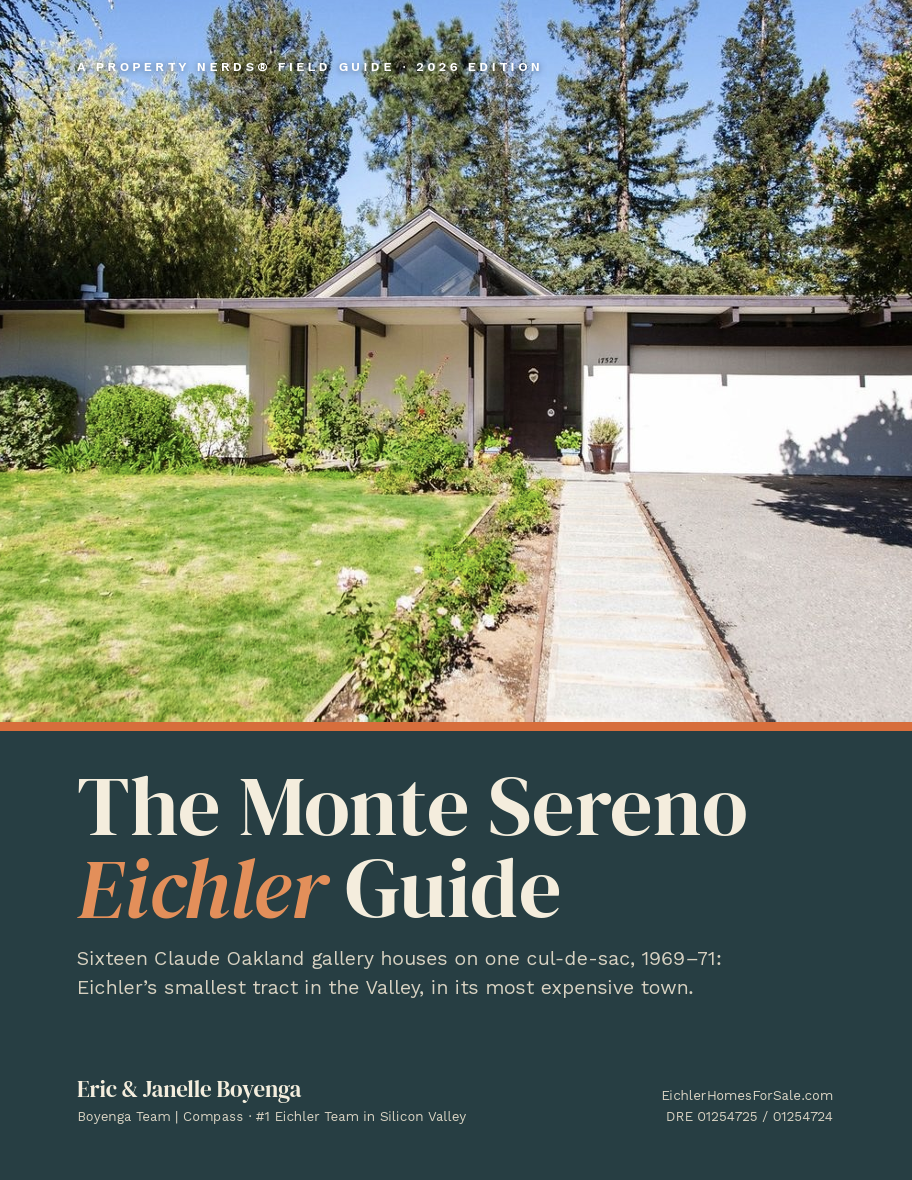
Monte Sereno has exactly sixteen Eichlers, all on Via Sereno, a cul-de-sac Joe Eichler built in 1969–71 to Claude Oakland plans after his company's bankruptcy. Our new City Eichler Guide covers the gallery model, the town around it, the buyer and owner checklist, and every recent sale, including the $4.0 million street record.
Redwood City has 121 Eichler buildings, all built 1950 to 1956 and all before the atrium: Atherwood, Fairwood, Sequoia Meadow and the Roble Avenue duplexes. Our new City Eichler Guide covers the butterfly roofs, the tracts, our own 1156 Parkwood Way renovation and every recent sale.
Joseph Eichler built roughly 2,700 houses in Palo Alto from 1949 to 1974, across 32 recorded tracts, more than any other city. Our Palo Alto Eichler Guide covers Green Gables, Greer Park, Triple El, Greenmeadow, Fairmeadow and Los Arboles, the Register, overlay and design-guideline rules, and four of our own recent Palo Alto Eichler sales.
The Eichler X-100 turns 70 on October 6, celebrating seven decades of forward-thinking design, steel-framed innovation, glass, light, landscape, and California modernist vision. Now returning to market, this one-of-one San Mateo Highlands prototype offers a rare opportunity to become the next steward of Eichler’s legendary “house of the future.”
On October 6, 1956, Joseph Eichler opened a steel-framed experiment called the X-100, and 150,000 people came to see it. Seventy years later, the "house of tomorrow" is a National Register landmark, and it's for sale.
Two 1960 Fairglen Eichlers on Fairwood Avenue in Willow Glen, San Jose, took two paths to market. 1673 Fairwood sold above list on the open market, and 1669 Fairwood is available off-market. See how Compass 3-Phased Marketing and the Property Nerds® give Eichler buyers and sellers an edge.
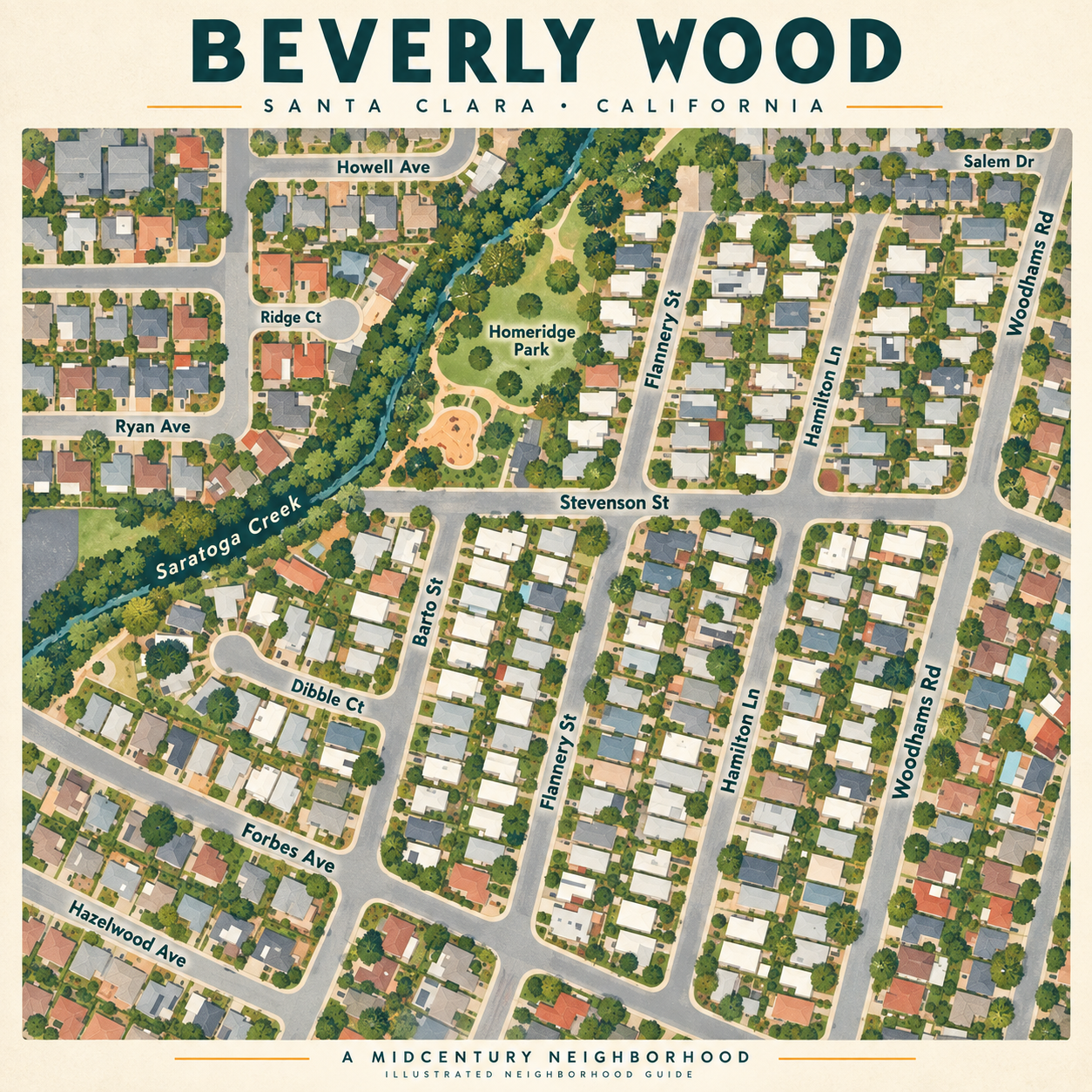
Explore the streets and stories behind Beverly Wood, Santa Clara, from its compact midcentury homes and Mackay connections to Homeridge Park and the recorded tracts that tie the neighborhood together.
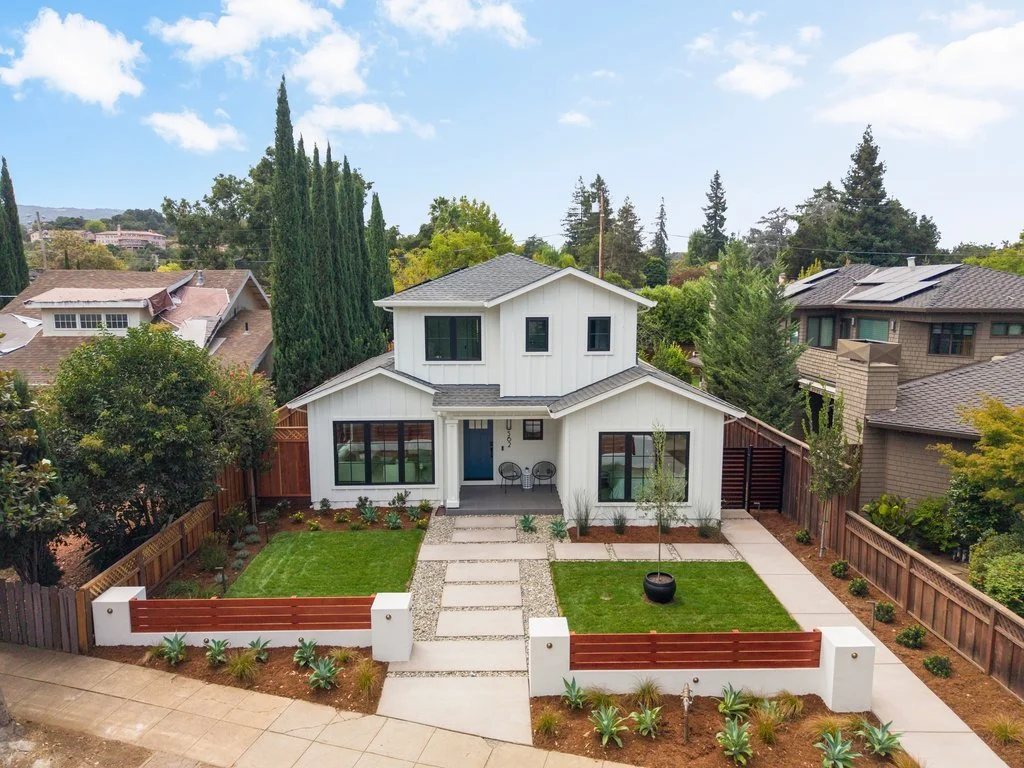
Discover 562 Palm Avenue, an exceptional new-construction modern farmhouse by Cypress Capital Group in coveted Old Los Altos. Offering approximately 3,383 square feet across two beautifully designed residences, this distinctive property features 6 bedrooms, 5 bathrooms, dual primary suites, an expansive family/dining/kitchen great room, Thermador chef’s kitchen, wide-plank oak floors, sophisticated indoor/outdoor living, landscaped central lawn, bluestone and brick terraces, and a substantial two-story second residence with an attached two-car garage and private gated side-street access.
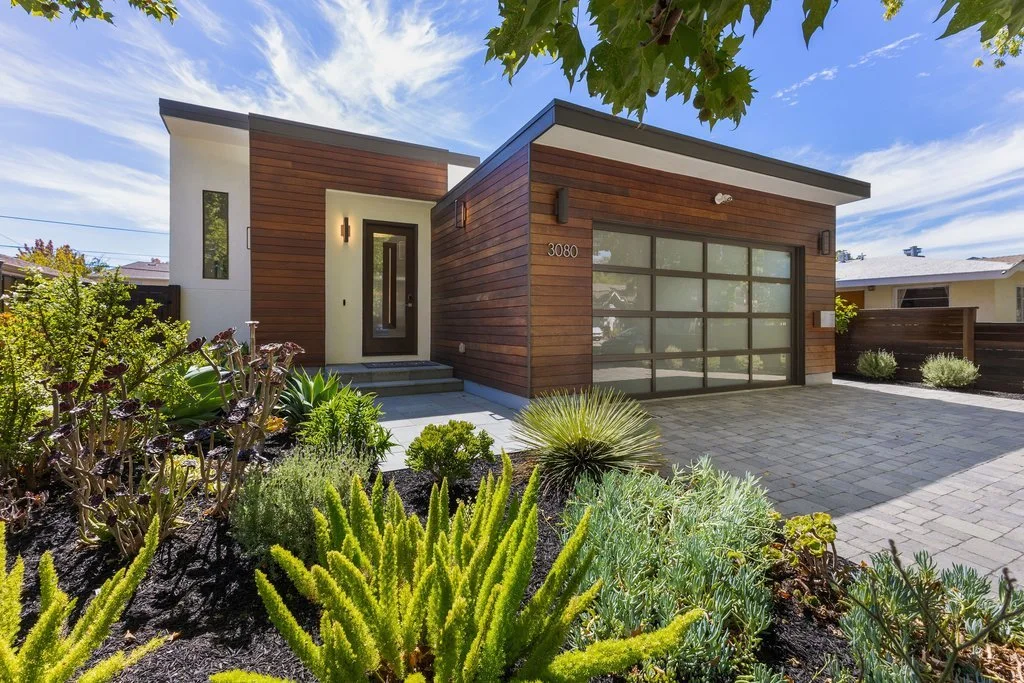
Discover modern Midtown Palo Alto living at 3080 South Court, a five-bedroom, 4.5-bath residence offering approximately 3,461 square feet. Completed in 2019, the light-filled home pairs soaring ceilings and designer finishes with dual primary suites, two full kitchens, a glass-enclosed wine cellar, private courtyards and an EV-ready two-car garage—all near Stanford, Palo Alto schools, neighborhood amenities and Silicon Valley employers.
From the Frank Lloyd Wright house that made him a modernist to the steel-framed X-100, this is the full story of Joseph Eichler — told through his own first home in Atherton and his most daring experiment in San Mateo, and the Boyenga Team trusted with both. A data-forward look at how history shapes what an Eichler is worth today.
In a conventional house, the attic hides ducts, wiring, exhaust, insulation and decades of technological change. Many Eichlers and related post-and-beam homes remove that buffer: the ceiling is the roof deck, the beams are exposed, the walls are glass and the floor may be a radiant slab. Modernization therefore becomes a routing problem as much as an equipment decision. This Property Nerd field guide introduces the Systems Routing Equation, Eight No-Attic Routing Zones, Pathway Hierarchy, Penetration Budget, Serviceability Radius, Twelve-Pass No-Attic Audit and a 45-point Systems Integration Score. It examines where heat pumps, condensate, ventilation, kitchen and bath exhaust, repiping, electrical feeders, lighting, Wi-Fi, cameras, solar, batteries, EV infrastructure, roof insulation and future technology can travel without sacrificing tongue-and-groove ceilings, fascia lines, original paneling, glass-wall proportions or maintenance access. It also explains what buyers should verify, how sellers can organize a credible systems file and how Compass-powered Boyenga Team workflows turn distributed technical records into a coherent architectural property story.
In a post-and-beam home, the structure is already part of the architecture. Exposed beams define the ceiling, posts organize the glass, and the roof deck may also be the finished interior surface. That makes seismic strengthening a design problem as well as an engineering one. This Property Nerd field guide introduces the Load-Path/Sightline Matrix, five Retrofit Visibility Classes and a 40-point Structural Restraint Score to help owners evaluate roof diaphragms, shear walls, moment frames, beam-to-post connections, post bases, radiant slabs, carports, atriums, clerestories and additions without accepting avoidable visual damage. It also explains why visible hardware is not a complete retrofit, how to document concealed work and how the Boyenga Team uses Compass-powered workflows to build a credible structural and architectural property story.
An Eichler rarely announces its front door with a conventional porch or symmetrical facade. The entrance may sit sideways beneath an overhang, hide beyond a gate or wait across an atrium, which makes small signals unusually important. This Property Nerds® field guide examines how house numbers, mailboxes, door color, Saturn escutcheons, bells, smart locks, globe lights, paving and landscaping work together from curb to threshold. Using the Boyenga Team’s six-stage Arrival Signal Chain, Component Provenance Map and 35-point Curb-to-Threshold Score, readers learn how to improve recognition, privacy, nighttime legibility and first impressions without turning a disciplined modernist facade into a collection of decorative “mid-century” accessories.
An Eichler feature can depart from the familiar model plan and still belong to the home’s earliest history. Original buyers sometimes negotiated doors, windows, room divisions, cabinetry and accessibility changes before completion; other first owners made thoughtful adaptations soon after moving in. This Property Nerds® field guide explains how to distinguish documented builder variants, purchaser-requested customizations, early owner alterations, compatible later work and unsupported imitation. Using the Boyenga Team’s Five-Bucket Origin Map, Evidence Ladder and 35-point Nonstandard Feature Provenance Score, readers learn how to evaluate plans, permits, photographs, oral history, materials and construction sequence—then describe the result accurately without confusing rarity, originality, condition or value.
Oakland Eichler Tract Name
Approx. Number of Eichler homes in Each Tract
Explore more Eichler Neighborhoods Across the East Bay!

PHONE NUMBER
650-383-8606
EMAIL
HOMES@BOYENGA.com
OPEN HOURS
8AM - 8PM
APPOINTMENT
SCHEDULE A CALL
ADDRESS
750 University Ave, Los Gatos,
CA 95032, United States